The Operational Multiplier: Leveraging Advanced Analytics for Sustainable Fleet Growth
The Shift from Reactive to Proactive Fleet Management
In the modern trucking landscape, the margin between a thriving motor carrier and one struggling to keep the lights on often comes down to the quality of their operational data. For years, growth in the trucking industry was measured simply by truck count. However, in today’s volatile market, sustainable growth is driven by operational density and asset optimization, not just the size of the fleet.
As a motor carrier scales, the complexities of managing drivers, maintenance schedules, and fuel costs grow exponentially. To maintain a competitive edge, carriers must adopt an 'Operational Multiplier' mindset—using technology and analytics to get more value out of every mile driven and every hour logged.
1. Harnessing Telematics Beyond Basic Compliance
While most carriers implemented Electronic Logging Devices (ELDs) to meet regulatory requirements, elite operators use this hardware as the foundation of their business intelligence. Advanced telematics provide a window into the health of your operations that was previously invisible.
- Engine Diagnostics: Moving to a predictive maintenance model reduces unplanned downtime, which is often three to four times more expensive than scheduled service.
- Fuel Performance Analytics: Identifying patterns in idling, over-speeding, and aggressive driving can lead to a 5-10% reduction in fuel spend—one of a carrier's largest variable costs.
- Driver Behavior Scoring: By gamifying safety and efficiency, carriers can improve retention rates while simultaneously lowering their risk profile for insurance renewals.
2. Optimizing Asset Utilization and Density
Growth is often hindered by 'deadhead' miles and underutilized equipment. Strategic fleet management requires a deep dive into lane density. High-performing carriers analyze their historical load data to identify 'power lanes' where they can consolidate freight and reduce empty miles.
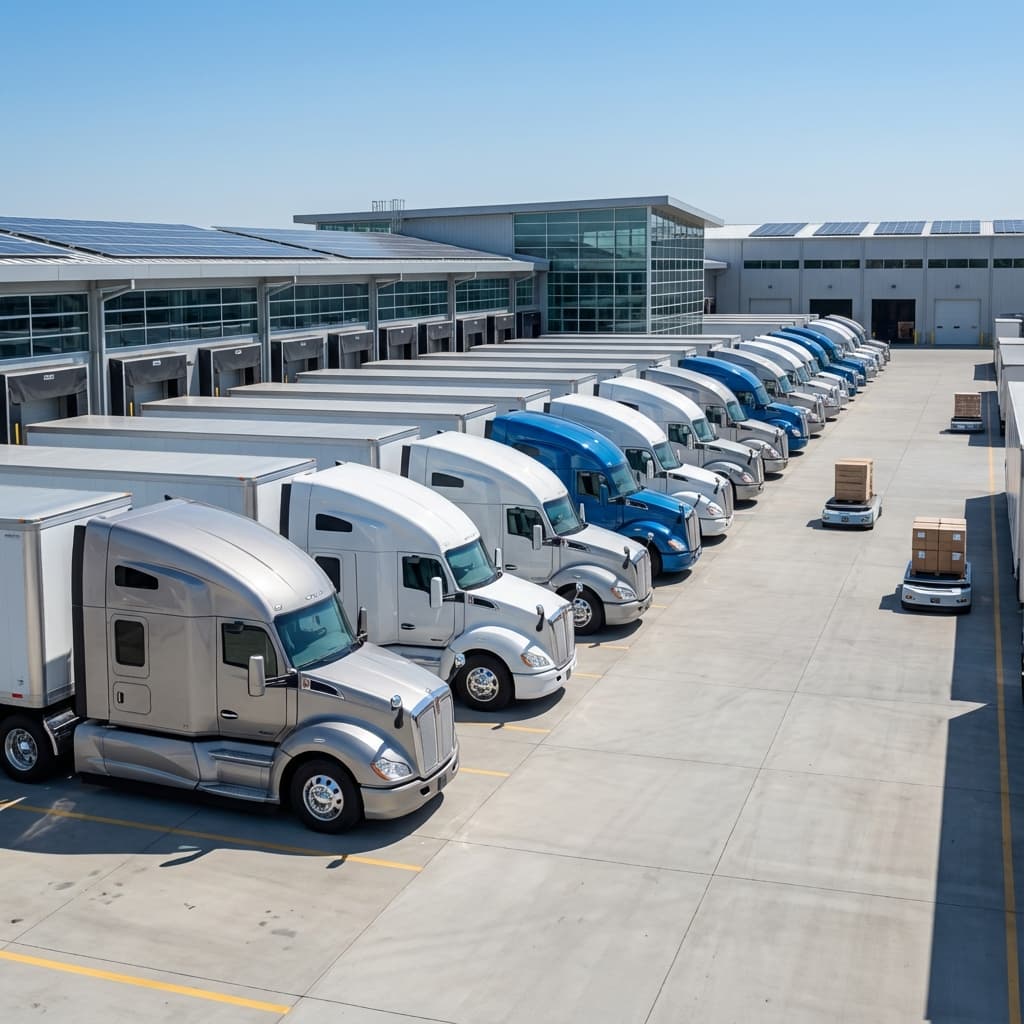
Operational efficiency is also found in the trailer-to-tractor ratio. For many fleets, increasing this ratio allows for 'drop-and-hook' programs, which maximize driver driving time and reduce the time assets spend sitting at a shipper's dock. Every hour a truck sits idle is an hour it is not generating the revenue needed to offset fixed costs like insurance and equipment notes.
3. The Financial Mechanics of Scaling
When considering fleet expansion, carriers must choose between aggressive growth and financial stability. The decision to buy versus lease equipment has profound implications for a carrier’s balance sheet and operational flexibility.
The Acquisition Strategy
Purchasing equipment builds equity but requires significant capital and increases the age of the fleet over time. Leasing, while often more expensive per month, provides a predictable cost structure and ensures the fleet remains under warranty, reducing the volatility of maintenance expenses. From a Business Operations perspective, the goal is to align your equipment lifecycle with your contract terms to ensure you are never 'underwater' on an asset.
4. Data-Driven Driver Retention
The greatest threat to operational continuity is driver turnover. Replacing a driver can cost a carrier anywhere from $5,000 to $12,000 when accounting for recruitment, onboarding, and lost opportunity costs. Data analytics can help identify 'at-risk' drivers before they quit.
By monitoring patterns such as decreased home time, drop in mileage, or increased equipment issues, management can intervene early. Providing a stable, tech-forward environment where drivers feel supported—rather than just monitored—is the hallmark of a mature, scalable motor carrier.
Conclusion: The Path Forward
Efficiency is the primary engine of profitability in trucking. By integrating advanced analytics into daily operations, motor carriers can build a resilient infrastructure that supports long-term growth. At United Lanes Insurance, we recognize that a well-managed, data-driven fleet is not only more profitable but also represents a lower risk to the industry as a whole. Investing in your operational 'multiplier' today ensures your fleet is prepared for the challenges of tomorrow’s market.
Questions about
this topic?
Our specialists are ready to provide the personalized guidance you need for your specific situation.