The Operational Multiplier: Mastering Back-Office Efficiency to Scale Your Motor Carrier Business
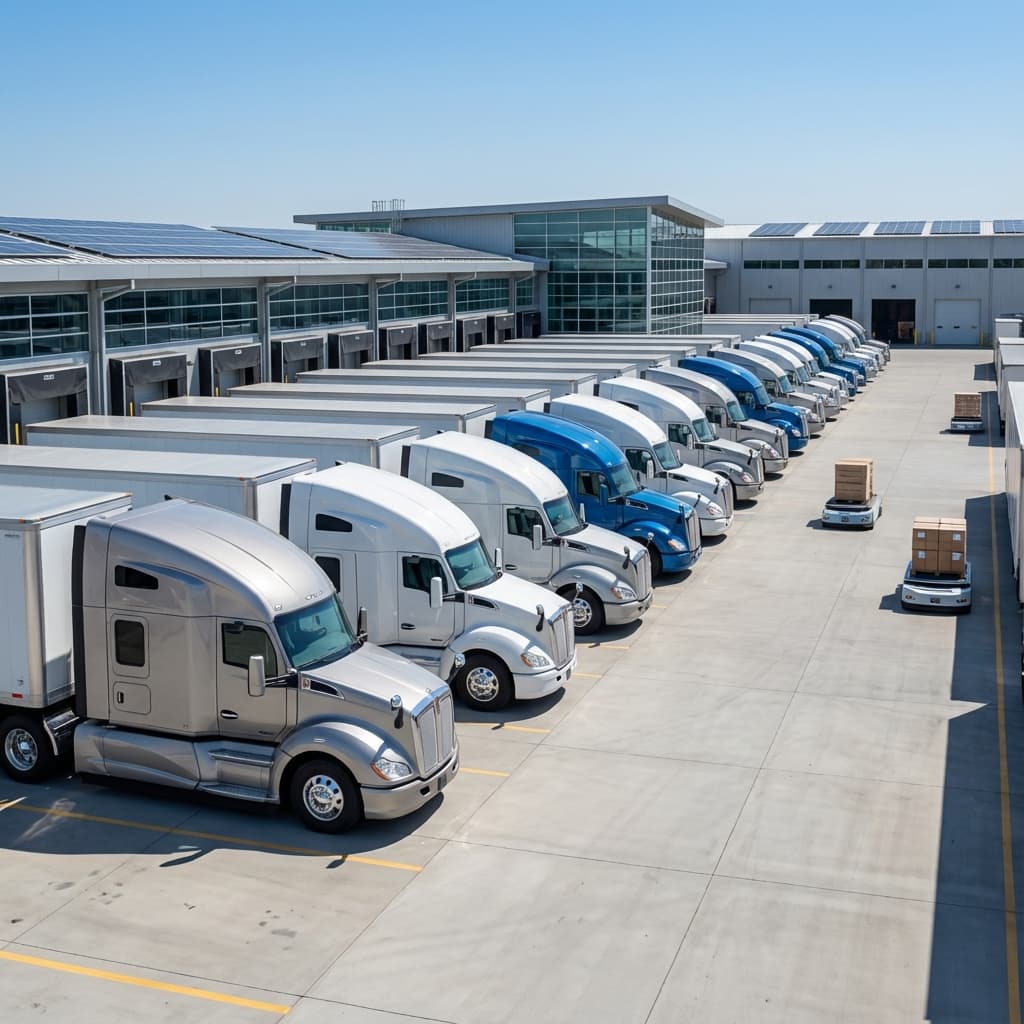
The Infrastructure of Scalability
For many motor carriers, the transition from a small operation to a mid-sized fleet is often met with unexpected friction. This friction rarely comes from the road itself; instead, it originates in the back office. As your power unit count increases, the complexity of managing documentation, cash flow, and maintenance grows exponentially. To achieve sustainable growth, carriers must move beyond a 'hustle' mindset and adopt a systematized operational framework.
1. The Documentation Lifecycle: Eliminating Administrative Friction
In trucking, time is literally money, and nowhere is time wasted more than in the delay between load delivery and invoice generation. Efficient carriers treat documentation as a high-speed assembly line. Streamlining the lifecycle of a Bill of Lading (BOL) and Proof of Delivery (POD) is critical.
- Digital Capture: Implementing mobile document scanning for drivers ensures that paperwork is submitted the moment the wheels stop, not days later at a terminal.
- Automated Billing: Integrating your Transportation Management System (TMS) with your accounting software reduces manual entry errors and accelerates the payment cycle.
- Compliance Integration: Ensure that safety documentation (DVIRs and HOS logs) is archived alongside load data to simplify audits and maintain a clean regulatory profile.
2. Optimizing Working Capital and Cash Flow
Rapid growth is the most common cause of business failure in trucking, often due to 'overtrading'—where the costs of fuel, payroll, and insurance for new loads outpace the cash coming in from previous ones. Mastering your Operating Ratio requires a strategic approach to capital.
Successful fleet executives often utilize a mix of fuel cards with line-of-credit features and selective factoring to bridge the 30-to-60-day payment gap. However, the key to efficiency is cost transparency. You must know your exact cost-per-mile (CPM), including fixed costs like insurance and permits, to ensure that every 'growth' load is actually contributing to the bottom line rather than eroding your margins.
3. Predictive Maintenance as a Competitive Advantage
Fleet management is often viewed through the lens of repair, but true operational efficiency is found in prevention. Roadside breakdowns are significantly more expensive than scheduled shop visits, involving towing fees, emergency labor rates, and, most importantly, the cost of a failed delivery and a frustrated driver.
Moving to a predictive maintenance model involves using telematics data to track engine hours and fault codes in real-time. By scheduling maintenance during planned downtime, you maximize the utilization of your assets and improve your fleet's safety scores—a factor that directly influences your long-term insurance premiums.
4. Data-Driven Dispatch and Lane Strategy
Efficiency is as much about what you don't haul as what you do. Scalable carriers use data to identify 'dead zones' where backhaul opportunities are scarce and rates are low. Operational efficiency is achieved by engineering lanes rather than just chasing spot market rates.
- Analyze Yield: Track revenue per hour, not just revenue per mile. A high-paying load that requires four hours of detention at a shipper is often less profitable than a mid-rate load with a drop-and-hook arrangement.
- Driver Retention through Logistics: Use efficient dispatching to ensure drivers get predictable home time. Replacing a driver costs a carrier between $5,000 and $15,000; therefore, retention is a primary driver of operational profitability.
Conclusion: Efficiency as a Risk Mitigator
At United Lanes, we have observed that the most well-managed fleets are also the most insurable. When a motor carrier demonstrates tight control over their back-office operations, maintenance schedules, and driver turnover, they present a lower risk profile. By focusing on operational excellence today, you aren't just increasing your current margins; you are building a resilient foundation that is prepared for the volatility of the freight market and the complexities of future expansion.
Questions about
this topic?
Our specialists are ready to provide the personalized guidance you need for your specific situation.