The Operational Fortress: Deconstructing the Core Coverages of Modern Trucking Insurance
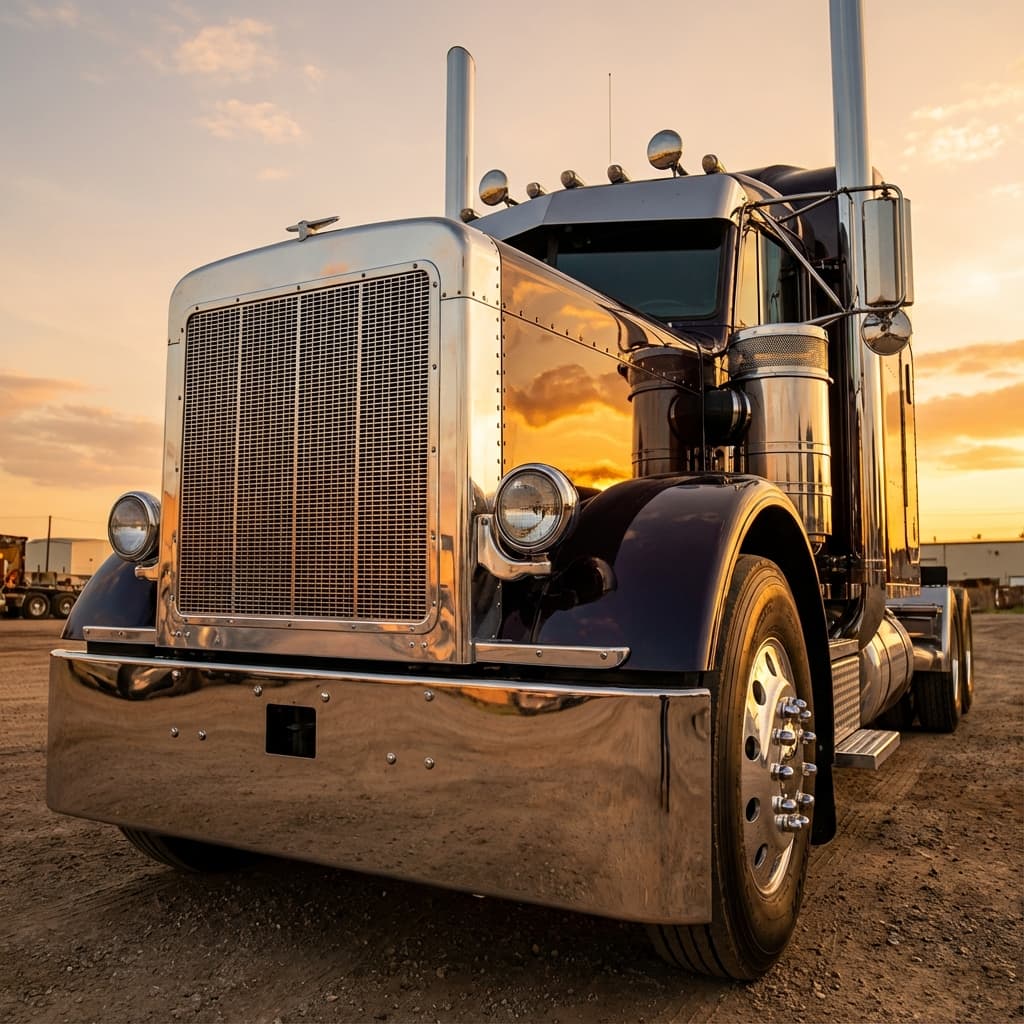
Building a Resilient Foundation for Your Trucking Business
In the highly volatile world of logistics, insurance is often viewed as a necessary overhead cost—a box to be checked to maintain compliance. However, for the elite motor carrier, insurance represents the operational fortress that protects the business from catastrophic financial loss and ensures long-term viability. Understanding the nuances of each coverage type is essential for optimizing your premiums and closing the gaps that could otherwise lead to bankruptcy.
1. Primary Liability: The Bedrock of Compliance
Primary Liability insurance is the most critical component of your policy. Required by the FMCSA (Federal Motor Carrier Safety Administration), it covers bodily injury and property damage to third parties in the event of an at-fault accident. While the federal minimum is often $750,000, the industry standard for most shippers and brokers is $1,000,000.
- Protection: It covers legal fees, medical expenses, and property repair for others involved in an accident.
- Strategy: Carriers should focus on rigorous safety training and ELD monitoring to keep these rates low, as this coverage typically represents the largest portion of your insurance premium.
2. Motor Truck Cargo: Protecting the Payload
Your reputation is built on your ability to deliver goods safely. Motor Truck Cargo insurance protects the carrier against liability for loss or damage to the freight being transported. This isn't just about crashes; it includes fire, theft, and even debris removal.
Key Insight: Not all cargo policies are created equal. It is vital to check for exclusions such as electronics, garments, or high-value metals. Furthermore, for those in the cold chain, ensuring your policy includes Reefer Breakdown coverage is non-negotiable to protect against spoilage due to mechanical failure.
3. Physical Damage: Safeguarding Your Assets
While liability protects others, Physical Damage insurance protects your investment. This coverage includes Collision and Comprehensive (fire, theft, vandalism, and weather damage) for your trucks and trailers. When selecting this coverage, carriers must choose between Actual Cash Value (ACV) and Stated Value.
- Pro Tip: Ensure your stated value is accurate. Under-insuring your equipment can lead to a 'co-insurance penalty,' while over-insuring means you are paying premiums for value you can never recover.
4. Non-Trucking Liability (NTL) and Bobtail Coverage
One of the most common points of confusion for owner-operators is the difference between NTL and Bobtail insurance. These are designed for when the truck is being used for non-business purposes.
- Non-Trucking Liability (NTL): Provides liability coverage when you are using the truck for personal reasons (e.g., driving to the grocery store) and are not under dispatch.
- Bobtail Insurance: Generally provides broader coverage for when the tractor is being operated without a trailer attached, regardless of whether it's under dispatch. Choosing the right one depends on your specific lease agreement with a motor carrier.
Conclusion: Strategic Alignment for Success
Constructing a comprehensive insurance portfolio is not a 'set it and forget it' task. As your fleet grows or your freight niche shifts, your coverage must evolve. By working with specialists like United Lanes Insurance, you can ensure that your coverage types are not just compliant, but are strategically aligned to support your business’s financial health and operational continuity.
Questions about
this topic?
Our specialists are ready to provide the personalized guidance you need for your specific situation.