The Operational Command: Leveraging Integrated Systems to Scale Motor Carrier Profitability
The Shift from Reactive to Proactive Operations
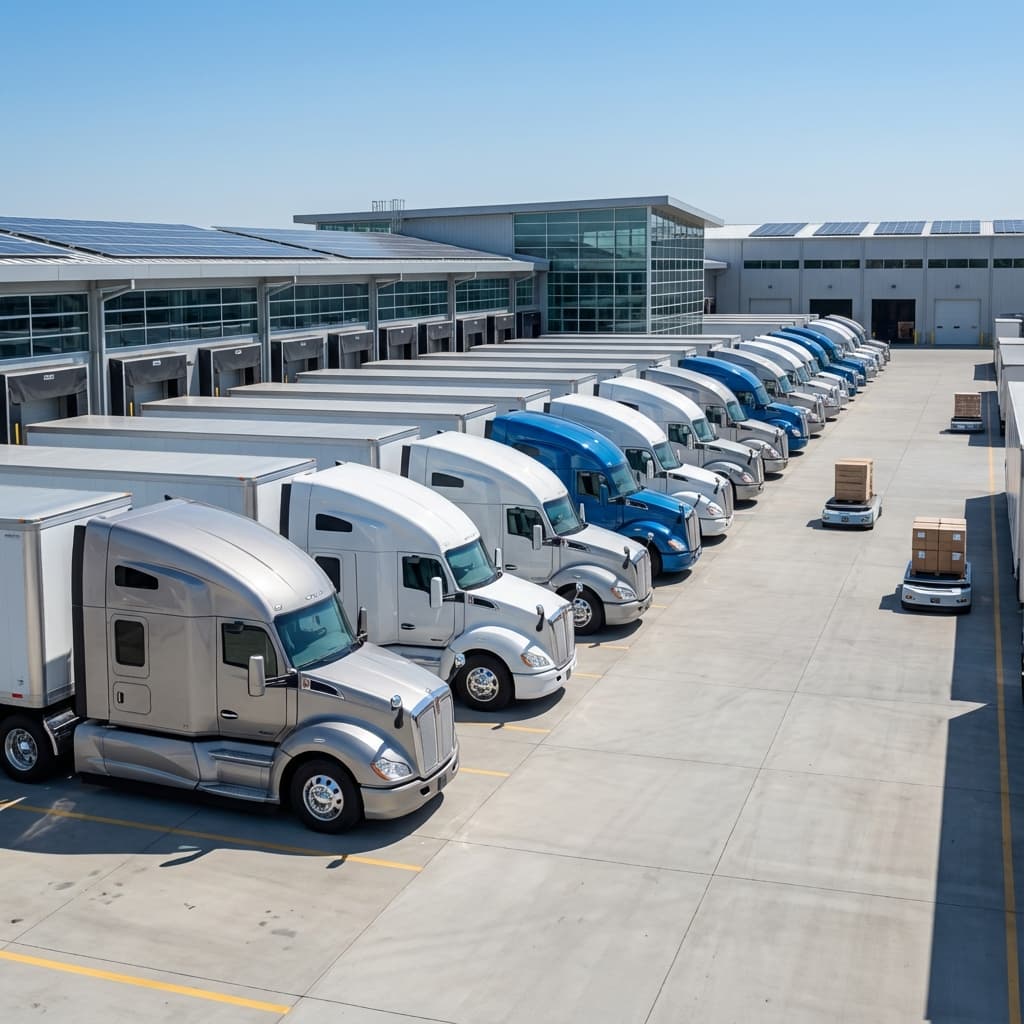
For many motor carriers, the transition from a small family-run operation to a scalable enterprise is often hindered by fragmented data. When dispatch, maintenance, and accounting exist in silos, the business remains reactive—responding to crises rather than anticipating opportunities. To achieve true operational excellence, modern carriers must adopt an Integrated Operational Command mindset, where every data point informs the next business move.
The TMS Advantage: More Than Just Dispatch
A robust Transport Management System (TMS) is the heartbeat of a high-efficiency fleet. While many carriers use a TMS simply to move loads, the most profitable companies leverage it as an analytical engine. By centralizing operations, carriers can achieve:
- Dynamic Routing: Reducing empty miles and optimizing fuel consumption through real-time traffic and weather integration.
- Automated Billing: Shortening the cash-flow cycle by generating invoices immediately upon proof of delivery (POD) upload.
- Driver Performance Tracking: Monitoring idle time, out-of-route miles, and on-time delivery percentages to identify training needs or reward high performers.
Optimizing the Maintenance Lifecycle for Maximum Uptime
Operational efficiency is frequently derailed by unscheduled downtime. A business-focused maintenance strategy moves beyond simple oil changes to predictive life-cycle management. By integrating ELD data with maintenance software, fleet managers can automate service alerts based on actual mileage rather than calendar days.
This proactive approach does more than just keep trucks on the road; it preserves the residual value of the equipment. When it comes time to rotate the fleet, a carrier with meticulous, digital service records can command significantly higher resale values, providing the capital necessary for further expansion.
Scaling Through Standardized Process Governance
Growth without a framework often leads to operational collapse. To scale effectively, a motor carrier must develop a "Playbook" for every recurring task—from driver onboarding to OS&D (Overages, Shortages, and Damages) reporting. Standardization ensures that whether you are operating 10 trucks or 100, the quality of service remains consistent.
Key areas for standardization include:
- Onboarding Protocols: A structured 90-day integration period for new drivers to ensure alignment with company safety and operational cultures.
- Vendor Management: Consolidating purchasing power with fuel cards, tire programs, and parts suppliers to reduce the Total Cost of Ownership (TCO).
- Financial Forecasting: Moving beyond simple profit/loss statements to monitor Revenue Per Mile (RPM) and Cost Per Mile (CPM) in real-time.
The Insurance Synergy: Turning Data into Leverage
From a trucking insurance perspective, a carrier that demonstrates total command over its operations is a preferred risk. When you can present an underwriter with a comprehensive overview of your maintenance schedules, driver retention rates, and TMS-driven efficiency reports, you are no longer just a number in a spreadsheet. You are a transparent and managed risk.
At United Lanes Insurance, we recognize that operational efficiency and risk mitigation are two sides of the same coin. By tightening your business operations, you aren't just increasing your margins—you are building a resilient enterprise that is positioned to survive market volatility and thrive during economic upswings.
Questions about
this topic?
Our specialists are ready to provide the personalized guidance you need for your specific situation.