The Operational Agility Framework: Optimizing Asset Utilization and Driver Retention for Sustainable Growth
Moving Beyond Survival: The Shift to Operational Agility
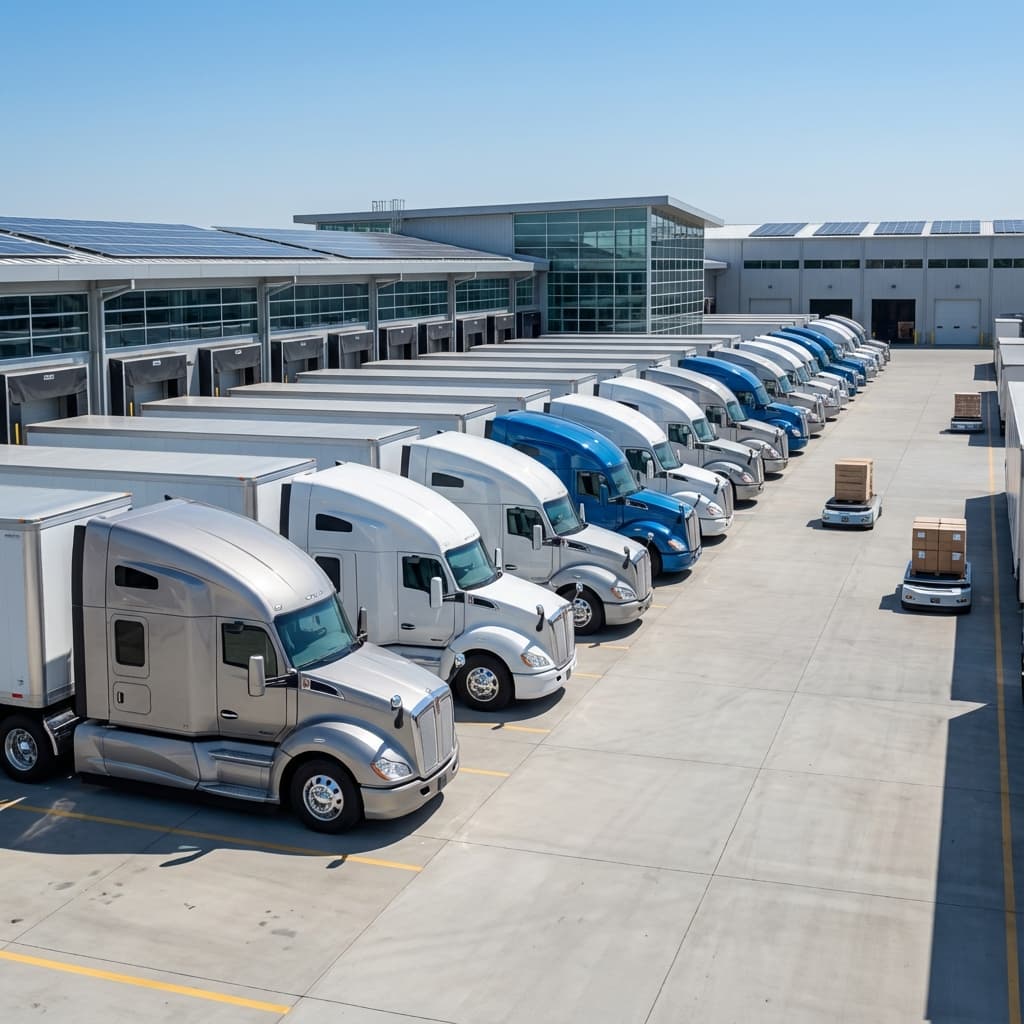
In the highly cyclical trucking industry, the difference between a motor carrier that merely survives and one that thrives is operational agility. While many owners focus solely on the spot market rates or fuel prices, elite carriers look inward at their operational framework. Achieving sustainable growth requires more than just adding trucks; it requires maximizing the efficiency of every existing asset and protecting the human capital that keeps the wheels turning.
1. Maximizing Asset Utilization and Velocity
Profitability in trucking is often a game of margins measured in cents per mile. To increase these margins, fleet managers must focus on asset velocity—the speed and efficiency with which a truck generates revenue relative to its fixed costs.
- Deadhead Minimization: Utilizing advanced dispatch software to secure backhauls and minimize empty miles is the fastest way to increase the revenue-to-expense ratio.
- Dwell Time Reduction: Every hour a truck sits at a shipper’s dock is lost revenue. Implementing strict detention policies and prioritizing shippers with efficient loading operations can significantly impact the bottom line.
- Right-Sizing the Fleet: Growth doesn't always mean more trucks. Sometimes, it means retiring underperforming older units that incur high maintenance costs and replacing them with more fuel-efficient, reliable equipment.
2. Driver Retention as a Financial Strategy
Many carriers view driver turnover as an unavoidable cost of doing business. However, industry analysts at United Lanes Insurance see it as a significant operational leak. The cost to recruit, vet, and train a new driver can range from $5,000 to $15,000.
To improve retention, consider these operational shifts:
- Predictable Home Time: Operational efficiency should never come at the expense of a driver's quality of life. High-retention fleets use sophisticated routing to ensure drivers get home when promised.
- Performance-Based Incentives: Move beyond flat mileage pay. Reward drivers for fuel efficiency, safety milestones, and on-time performance. This aligns the driver's financial goals with the carrier's operational goals.
- Equipment Standards: Maintaining a modern, well-equipped fleet is one of the most effective ways to show drivers they are valued, reducing the temptation to jump to a competitor.
3. Transitioning from Reactive to Predictive Maintenance
Operational efficiency is frequently derailed by roadside breakdowns. Beyond the immediate repair cost and towing fees, the opportunity cost of missed deliveries and the potential for safety violations can be devastating.
Implementing a Predictive Maintenance (PdM) program involves using telematics data to identify potential failures before they happen. By scheduling repairs during planned downtime rather than responding to emergencies, carriers can maintain a higher level of service reliability and keep their CSA scores healthy, which in turn leads to more favorable insurance underwriting.
4. Leveraging Data for Strategic Decision-Making
The modern motor carrier must be data-driven. High-growth fleets monitor Key Performance Indicators (KPIs) such as:
- Revenue per Power Unit: Identifying which trucks or routes are underperforming.
- Operating Ratio: Keeping a close eye on the relationship between operating expenses and net sales.
- Maintenance Cost per Mile: Tracking when an older asset becomes a liability rather than an asset.
The Insurance Intersection: Why Operations Matter
At United Lanes Insurance, we understand that a well-run operation is a lower risk. Carriers that demonstrate tight operational control—through low driver turnover, rigorous maintenance, and efficient routing—are viewed more favorably by insurers. By optimizing your business operations, you aren't just increasing your immediate profit; you are building a resilient risk profile that will pay dividends in lower premiums and greater market stability for years to come.
Questions about
this topic?
Our specialists are ready to provide the personalized guidance you need for your specific situation.