The Contingent Framework: Navigating the Nuances of Non-Trucking Liability and Bobtail Protection
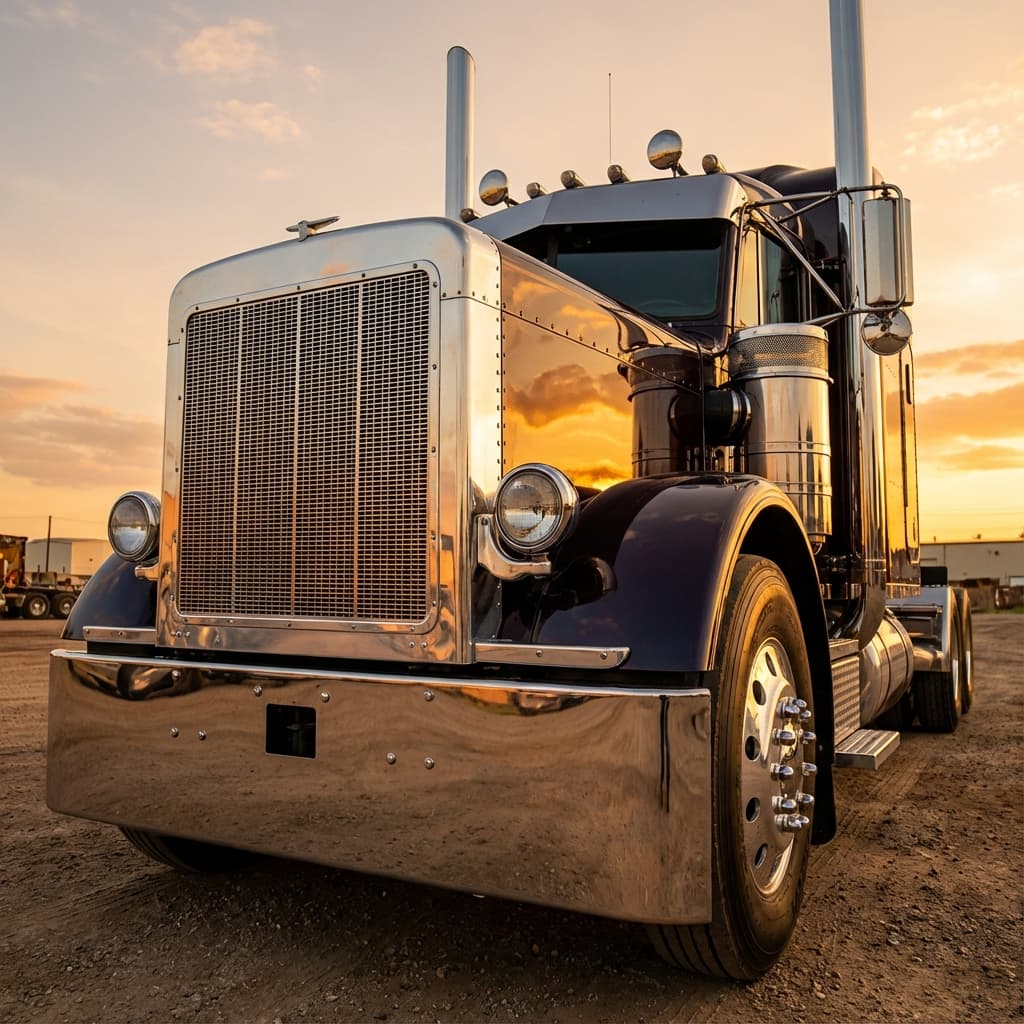
Bridging the Gap in Motor Carrier Protection
In the trucking industry, the transition from 'active dispatch' to 'personal use' represents one of the most complex areas of insurance law and risk management. For motor carriers and owner-operators, relying solely on Primary Liability insurance can leave significant exposures during the hours when a truck is not under dispatch. At United Lanes Insurance, we emphasize that a truly resilient insurance portfolio requires a clear understanding of supplemental coverages like Non-Trucking Liability (NTL) and Bobtail insurance.
Decoding Non-Trucking Liability (NTL)
Non-Trucking Liability is specifically designed for owner-operators who are permanently leased to a motor carrier. While the carrier’s Primary Liability policy covers the truck during business operations, NTL provides protection when the vehicle is used for non-business purposes. This typically includes personal errands, such as driving the tractor to a grocery store or a repair shop while not under dispatch.
- The Trigger: NTL is active only when the driver is not performing any service that benefits the motor carrier.
- The Limitation: It does not cover the vehicle when hauling any type of cargo or when operating under the carrier’s authority for profit.
- Cost Efficiency: NTL is a cost-effective way for owner-operators to maintain continuous liability protection without duplicating the carrier's primary coverage.
The Bobtail Distinction: A Technical Nuance
While often confused with NTL, Bobtail Insurance has a distinct application. Technically, 'bobtailing' refers to operating a tractor without a trailer attached. Bobtail insurance provides liability coverage when the tractor is operated without a trailer, regardless of whether the driver is under dispatch or using the vehicle for personal reasons.
For many carriers, the distinction is vital: NTL focuses on the intent of the trip (personal vs. business), whereas Bobtail focuses on the configuration of the unit (no trailer). Choosing the wrong one can lead to a devastating denial of claim if an accident occurs during a 'grey area' of operation.
The Critical Role of Physical Damage Coverage
While liability coverages protect your wallet from third-party lawsuits, Physical Damage coverage protects your investment in the equipment itself. This coverage is essential regardless of who is at fault in an incident. Within this category, carriers must choose between two primary valuation methods:
- Actual Cash Value (ACV): Pays out the market value of the truck at the time of the loss, accounting for depreciation.
- Stated Amount: Allows the owner to declare a specific value for the vehicle. However, it is a common misconception that this guarantees a payout of that full amount; adjusters will still evaluate market value, but this helps in insuring specialized equipment or recent upgrades.
Motor Truck Cargo: Beyond the Standard Policy
Motor Truck Cargo insurance is perhaps the most scrutinized coverage by shippers and brokers. It protects the transporter for responsibility in the event of damaged or lost freight. However, not all cargo policies are created equal. Professional motor carriers must be wary of exclusionary clauses such as:
- Target commodity exclusions (e.g., electronics, alcohol, or pharmaceuticals).
- The 'Unattended Vehicle' clause, which may void coverage if a theft occurs while the driver is away from the unit.
- Reefer breakdown coverage requirements, which often necessitate strict maintenance logs to remain valid.
Strategic Implementation for Motor Carriers
To optimize your coverage and minimize premium leakage, United Lanes Insurance recommends a comprehensive gap analysis. Review your lease agreements to ensure your NTL or Bobtail limits align with the master carrier’s requirements. Simultaneously, ensure your Physical Damage stated values are updated annually to reflect current market volatility in used truck pricing. By mastering these specific coverage types, you transition from simply 'buying insurance' to 'managing risk'—the hallmark of a profitable and sustainable trucking operation.
Questions about
this topic?
Our specialists are ready to provide the personalized guidance you need for your specific situation.