The Motor Carrier’s Core Portfolio: Master Every Layer of Your Coverage Strategy
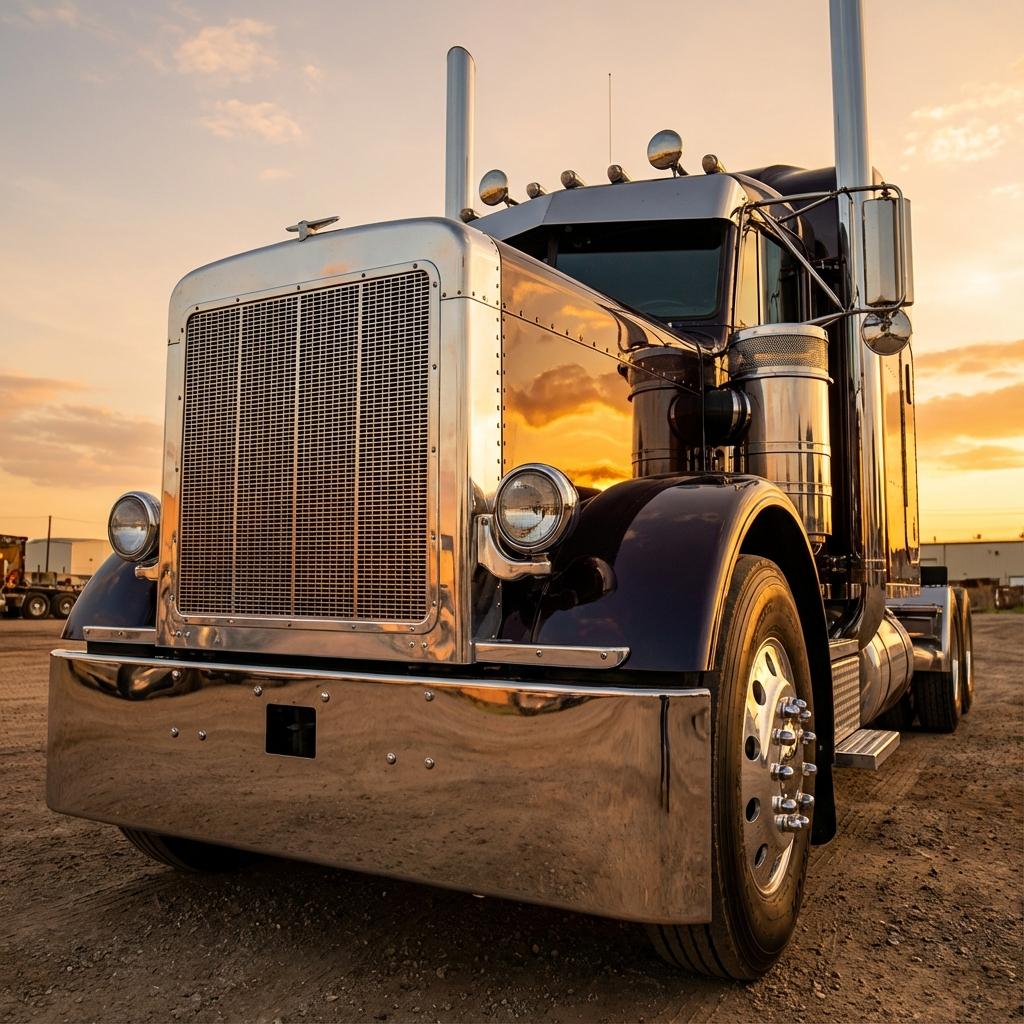
Building a Resilient Insurance Foundation
In the high-stakes world of commercial transportation, your insurance policy is more than just a regulatory hurdle—it is the financial backbone of your operation. For motor carriers, understanding the nuances between different coverage types is the difference between a minor operational hiccup and a business-ending event. At United Lanes Insurance, we believe that an informed carrier is a protected carrier.
Primary Liability: The Legal Bedrock
Primary Liability is the cornerstone of any trucking policy. It is mandated by federal law (FMCSA) and protects you against the financial consequences of bodily injury or property damage caused to others in an accident where your truck is at fault. While the federal minimum for most general freight is $750,000, the industry standard for most shippers and brokers is $1,000,000.
- Bodily Injury: Covers medical expenses, lost wages, and legal fees resulting from injuries to third parties.
- Property Damage: Pays for repairs or replacement of other vehicles, buildings, or infrastructure damaged in an accident.
Motor Truck Cargo: Protecting Your Reputation and Revenue
While liability covers the damage you do to others, Motor Truck Cargo insurance protects the freight you are paid to transport. Without it, a single lost or damaged load could result in a devastating claim from a shipper. It is essential to review your policy for specific exclusions, such as refrigeration breakdown (reefer) or high-value electronics.
Standard limits often start at $100,000, but specialized haulers or those working with premium brokers may require significantly higher limits. Always ensure your cargo policy matches the maximum value of the loads you typically pull.
Physical Damage: Safeguarding Your Heavy Equipment
Your trucks and trailers are your most significant capital investments. Physical Damage coverage provides the financial means to repair or replace your equipment following a collision, fire, theft, or natural disaster. This coverage typically consists of two parts:
- Collision: Coverage for damage resulting from an accident with another object or vehicle.
- Comprehensive: Coverage for non-collision events such as theft, vandalism, windstorms, or fire.
Pro Tip: Carriers should choose between Actual Cash Value (ACV) and Stated Amount carefully. Ensure your stated value is accurate to avoid being underinsured during a total loss claim.
Non-Trucking Liability (NTL) vs. Bobtail Insurance
Confusion often arises regarding coverage for when a truck is not under dispatch. Non-Trucking Liability provides limited liability protection when the owner-operator is using the truck for personal use (e.g., driving to the grocery store or a personal appointment). It is important to note that NTL does not apply when you are hauling an empty trailer or driving to a terminal for work—that usually requires 'Bobtail' or 'Deadhead' coverage, depending on your lease agreement.
Strategic Optimization for Cost Savings
Maximizing your coverage doesn't always mean paying the highest premiums. To optimize your insurance spend, consider the following:
- Deductible Management: Increasing your deductible on Physical Damage or Cargo can lower your monthly premiums, provided you have the cash reserves to cover the higher out-of-pocket cost in the event of a claim.
- Telematics Integration: Many underwriters now offer discounts for carriers who utilize ELDs and telematics to prove safe driving habits.
- Regular Policy Audits: As your fleet grows or your freight lanes change, your coverage needs will evolve. Conduct a quarterly review to ensure you aren't paying for limits you don't need or exposing yourself to new risks.
By mastering these core pillars of coverage, motor carriers can move beyond mere compliance and begin using their insurance portfolio as a competitive advantage in a volatile market.
Questions about
this topic?
Our specialists are ready to provide the personalized guidance you need for your specific situation.