Maximizing the Margin: Strategic Route Optimization and Load Diversification for Modern Motor Carriers
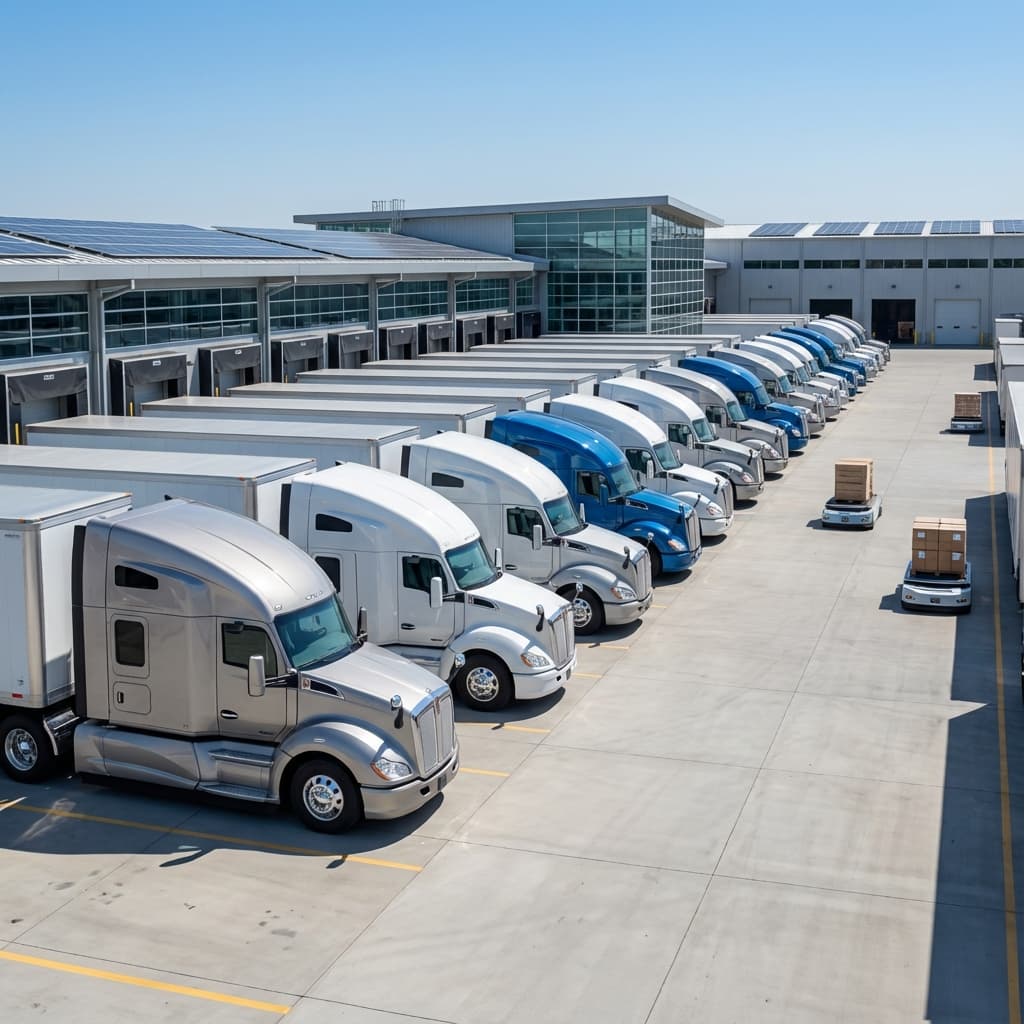
The Challenge of the Modern Freight Cycle
In the current trucking landscape, operational efficiency is no longer just a competitive advantage—it is a requirement for survival. With fluctuating fuel prices, volatile spot market rates, and rising equipment costs, motor carriers must look beyond simple volume and focus on net profitability per mile. At United Lanes Insurance, we understand that a well-oiled business operation not only protects your bottom line but also positions your fleet as a lower-risk entity in the eyes of underwriters.
Strategic Load Diversification: Balancing Spot and Contract Freight
One of the most critical business decisions a motor carrier faces is the mix of freight types. Relying solely on the spot market can lead to high margins during peak cycles, but it leaves the business vulnerable during economic downturns. Conversely, over-reliance on long-term contracts can cap your earning potential when rates surge.
- The 70/30 Rule: Many successful mid-sized fleets aim for approximately 70% contract freight to ensure consistent cash flow, leaving 30% for spot market opportunities to capitalize on high-demand corridors.
- Niche Specialization: Moving into specialized freight—such as temperature-controlled logistics, oversized loads, or high-value machinery—often yields higher margins and creates higher barriers to entry for competitors.
- Geographic Concentration: Avoid overextending your fleet geographically. Concentrating on specific lanes allows for better driver home time and more predictable maintenance scheduling.
The Silent Profit Killer: Deadhead and Route Optimization
Deadhead miles—miles driven with an empty trailer—are the single greatest drain on operational efficiency. Every empty mile represents wasted fuel, driver time, and equipment wear without generating revenue. Reducing your deadhead percentage by even 5% can have a massive impact on annual profitability.
Strategic Backhauling is the primary solution. Successful carriers utilize digital freight matching tools and build relationships with local shippers at their primary delivery destinations to ensure the wheels are always turning for profit. Furthermore, investing in routing software that accounts for real-time traffic, weather, and fuel pricing allows dispatchers to guide drivers toward the most cost-effective paths, rather than just the shortest distance.
Equipment Lifecycle Management
Operational efficiency is inextricably linked to your equipment. A common mistake for growing carriers is holding onto aging power units too long to avoid new equipment payments. However, the Total Cost of Ownership (TCO) often increases significantly after year five due to:
- Increased frequency of unscheduled downtime and emergency repairs.
- Reduced fuel efficiency compared to newer aerodynamic models.
- The negative impact of equipment failures on your CSA (Compliance, Safety, Accountability) scores.
Implementing a rigorous trade-in cycle helps maintain a modern fleet that attracts high-quality drivers and keeps maintenance costs predictable.
Leveraging Data for Financial Resilience
To scale a trucking business, you must move from "gut-feeling" management to data-driven decision-making. High-performing motor carriers track key performance indicators (KPIs) daily. These should include:
1. Revenue per Total Mile: This accounts for both loaded and empty miles to give an accurate picture of efficiency.
2. Operating Ratio: Your operating expenses divided by your gross revenue. A ratio below 90% is generally considered the benchmark for a healthy, efficient operation.
3. Fuel Surcharge Recovery: Ensuring that fuel surcharges are accurately calculated and billed to protect against price spikes at the pump.
Conclusion: Building a Sustainable Future
Operational excellence is a continuous journey. By diversifying your freight mix, aggressively reducing deadhead miles, and maintaining a modern fleet, you create a resilient business capable of weathering any market cycle. At United Lanes Insurance, we view these operational strengths as the hallmarks of a premier motor carrier, helping you build a legacy of growth and stability in the trucking industry.
Questions about
this topic?
Our specialists are ready to provide the personalized guidance you need for your specific situation.