The Margin Protector: Streamlining Equipment Lifecycle Management for Fleet Longevity
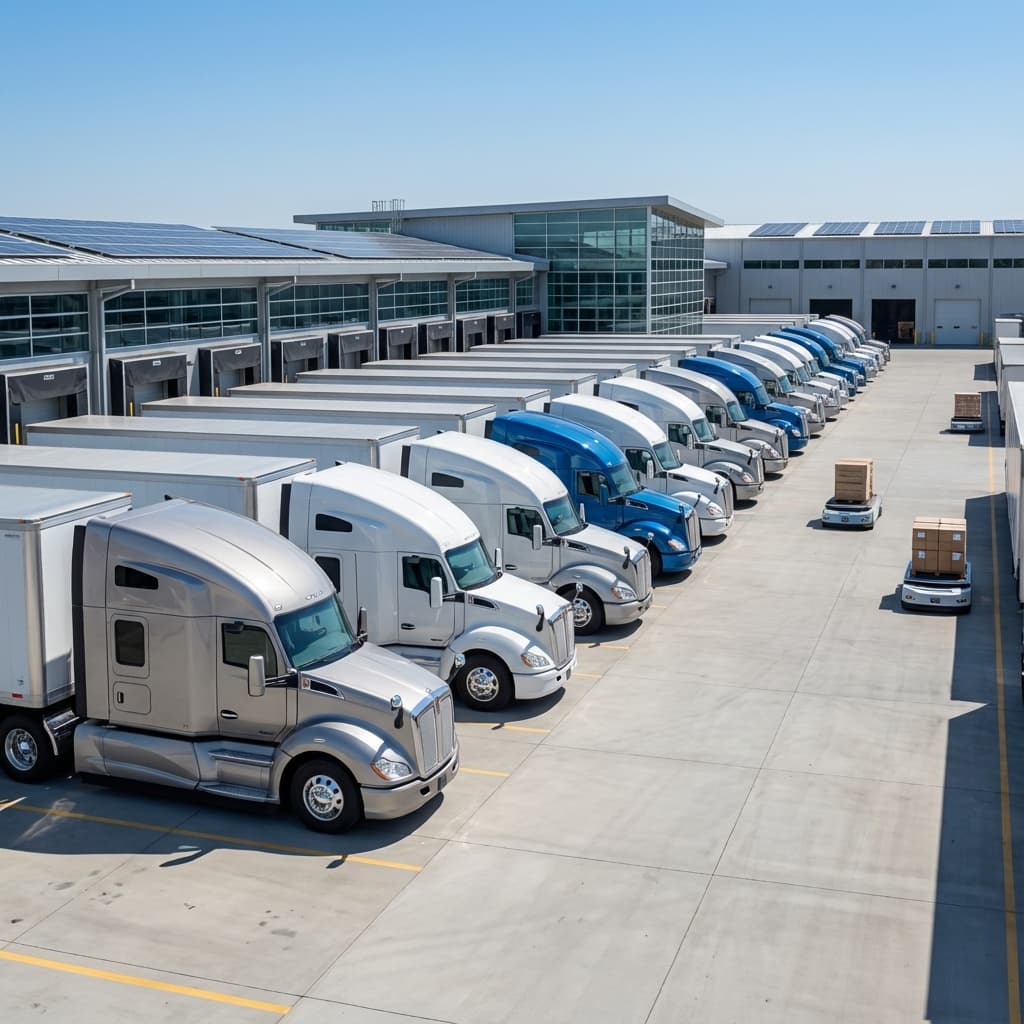
The Strategic Approach to Fleet Assets
In the high-stakes world of motor carrier operations, the difference between a profitable quarter and a deficit often hinges on the efficiency of your equipment. While many carriers view maintenance as a necessary evil or a recurring expense, elite operators treat Equipment Lifecycle Management (ELM) as a core business strategy. By optimizing when you acquire, how you maintain, and when you decommission assets, you protect your margins from the volatility of emergency repairs and unplanned downtime.
1. The Economics of the Trade-In Cycle
The most critical decision in fleet management is determining the 'sweet spot' for asset replacement. Holding onto a tractor for too long leads to exponential increases in maintenance costs and decreased fuel efficiency. Conversely, replacing equipment too early can strain cash flow and increase debt-to-equity ratios.
To master this balance, motor carriers should analyze the Total Cost of Ownership (TCO). This includes:
- Fixed Costs: Financing, insurance premiums, and taxes.
- Variable Costs: Fuel, tires, and preventive maintenance.
- Opportunity Costs: Revenue lost during downtime and the impact of lower CSA scores due to mechanical violations.
Leading carriers often find that a 4-to-5-year trade-in cycle maximizes resale value while minimizing the risk of major component failures, such as engines or after-treatment systems.
2. From Reactive to Predictive Maintenance
Operating in a reactive state—fixing trucks only when they break—is the fastest way to erode profitability. A sophisticated business operation leverages telematics and diagnostic data to move toward predictive maintenance. By monitoring real-time engine health and wear-and-tear patterns, carriers can schedule repairs during planned downtime, ensuring the truck is back on the road when freight demand is highest.
Implementing a rigorous preventive maintenance (PM) schedule not only extends the life of the asset but also serves as a critical defense during insurance renewals. Underwriters look favorably upon fleets that can demonstrate a documented history of proactive mechanical upkeep, as it directly correlates with a lower frequency of roadside breakdowns and accidents.
3. Optimizing the Vendor Ecosystem
Efficiency isn't just about what happens in your shop; it’s about the strength of your external partnerships. Large-scale operational success requires a vetted network of vendors, from parts suppliers to specialized repair facilities. Carriers should seek Service Level Agreements (SLAs) that guarantee priority bay time or discounted parts pricing in exchange for volume or loyalty.
Furthermore, consolidating your parts procurement can lead to significant cost savings. Standardizing your fleet with specific makes and models allows your technicians to gain specialized expertise and reduces the inventory of spare parts you need to carry on-site.
4. The Impact on Safety and Insurance
There is a direct line between equipment health and insurance expenditures. Roadside inspections focus heavily on tires, brakes, and lighting. A fleet with an aging, poorly maintained inventory will inevitably see a spike in Vehicle Maintenance BASICS scores within the FMCSA’s SMS system. High scores in this category signal to insurers that a carrier may be cutting corners, leading to higher premiums or non-renewal notices.
By investing in newer equipment and a disciplined maintenance framework, you are not just buying a truck; you are buying a cleaner safety record and a more competitive position in the insurance market.
Conclusion: Engineering Long-Term Growth
Operational excellence in trucking requires a shift in perspective: viewing your fleet not as a collection of vehicles, but as a dynamic financial portfolio. By mastering equipment lifecycles and maintenance strategies, motor carriers can stabilize their cost per mile, attract better drivers who prefer modern equipment, and build a resilient business capable of weathering any economic cycle.
Questions about
this topic?
Our specialists are ready to provide the personalized guidance you need for your specific situation.