The Margin Optimizer: Engineering Operational Efficiency to Insulate Your Bottom Line
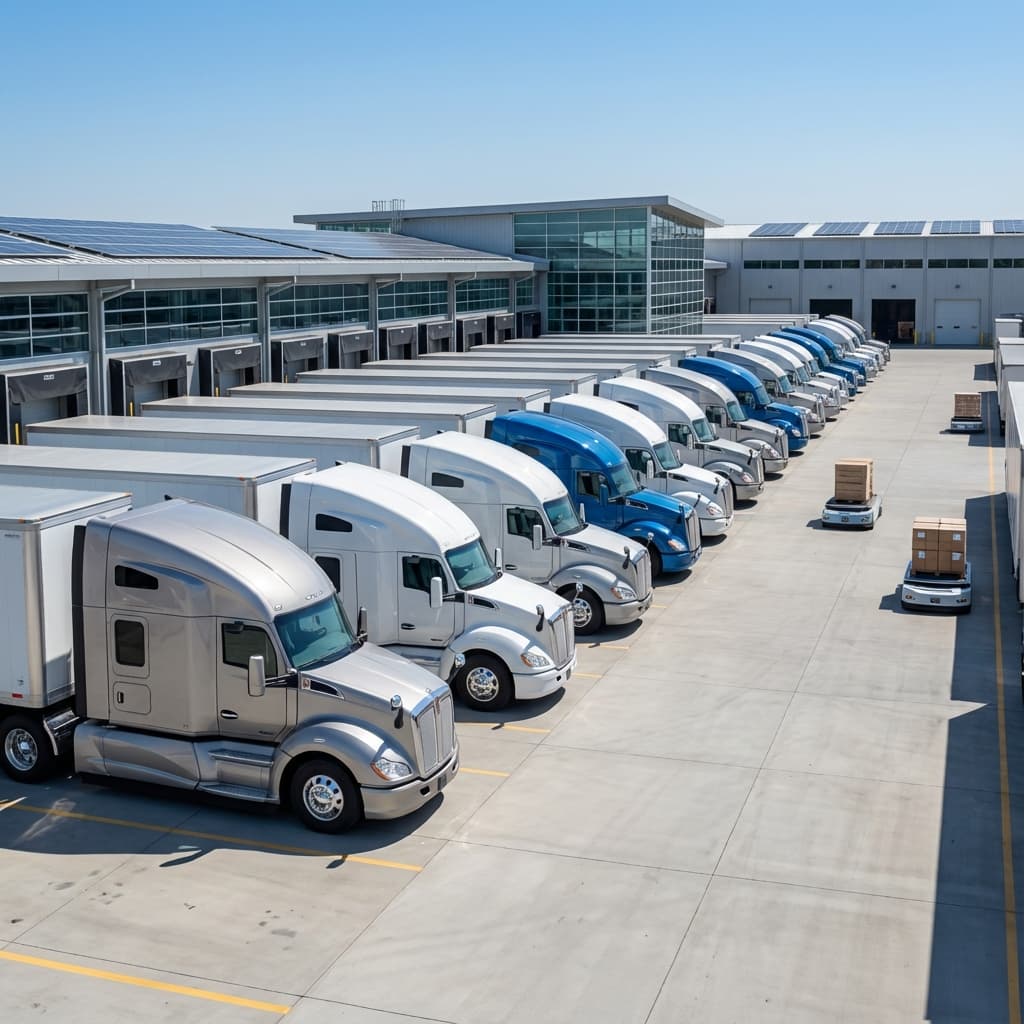
The Thin Line: Why Operational Efficiency Matters Now
For motor carriers, the difference between a profitable year and a struggling one often comes down to pennies per mile. In an industry defined by volatile fuel prices, fluctuating spot rates, and rising insurance premiums, the ability to control internal costs through operational efficiency is no longer just a goal—it is a survival mandate. To build a resilient trucking business, fleet owners must look beyond the steering wheel and focus on the mechanics of their business operations.
Optimizing the Equipment Lifecycle
One of the most significant capital drains on a motor carrier is equipment. However, many fleets treat maintenance as a reactive expense rather than a strategic lever. A data-driven equipment lifecycle strategy involves:
- Preventative Maintenance (PM) Schedules: Implementing strict PM schedules reduces the likelihood of catastrophic roadside breakdowns, which are significantly more expensive than planned shop visits and negatively impact your CSA scores.
- The Trade-In Sweet Spot: Analyzing the 'total cost of ownership' (TCO) helps identify the precise moment when maintenance costs begin to outweigh the depreciation benefits of a newer unit.
- Fuel Efficiency Retrofits: Investing in aerodynamic fairings, low-rolling-resistance tires, and idle-reduction technologies can yield a 5-10% reduction in fuel spend—often the second-largest line item after labor.
Strategic Freight Selection and Diversification
Efficiency isn't just about how you drive; it's about what you haul and for whom. Relying exclusively on the spot market exposes your business to extreme volatility. Professional carriers focus on revenue quality over mere volume.
To insulate your bottom line, aim for a balanced freight mix. Developing direct relationships with shippers provides more consistent lanes and predictable cash flow. Furthermore, analyzing 'deadhead' miles is critical. An efficient operation uses sophisticated routing tools to ensure that every mile driven contributes to the revenue stream, minimizing empty movements that erode profitability.
Building Financial Resilience Through Back-Office Automation
As a fleet grows, administrative overhead can become a silent profit killer. Scaling efficiently requires a robust Transportation Management System (TMS) that integrates various facets of the business into a single pane of glass.
Key areas for automation include:
- Automated Invoicing: Reducing the 'days sales outstanding' (DSO) by invoicing immediately upon delivery improves liquidity and reduces the need for expensive factoring services.
- Document Management: Digitizing Bills of Lading (BOLs) and Proof of Delivery (POD) ensures that compliance and billing are handled in real-time, reducing manual entry errors.
- Real-Time Financial Reporting: Carriers should be able to view their 'cost-per-mile' in real-time, allowing for rapid adjustments when expenses like fuel or tolls spike unexpectedly.
The Human Component of Operations
Operational efficiency is also a human resources challenge. High driver turnover is a massive hidden cost, involving recruitment, training, and lost productivity. By creating a culture that values driver feedback and utilizes efficient dispatching—where drivers aren't sitting idle at loading docks—carriers can improve retention. An efficient operation respects the driver’s time, which in turn leads to a more stable and professional workforce.
Conclusion: The Path to Sustainable Growth
Growth in the trucking industry should never be measured solely by truck count. True growth is measured by the strength of your margins and the resilience of your operational infrastructure. By focusing on equipment lifecycle management, strategic freight selection, and back-office automation, motor carriers can build a business that doesn't just survive market cycles but thrives within them.
Questions about
this topic?
Our specialists are ready to provide the personalized guidance you need for your specific situation.