The Margin Optimizer: Mastering the Intersection of Fleet Maintenance and Operational Profitability
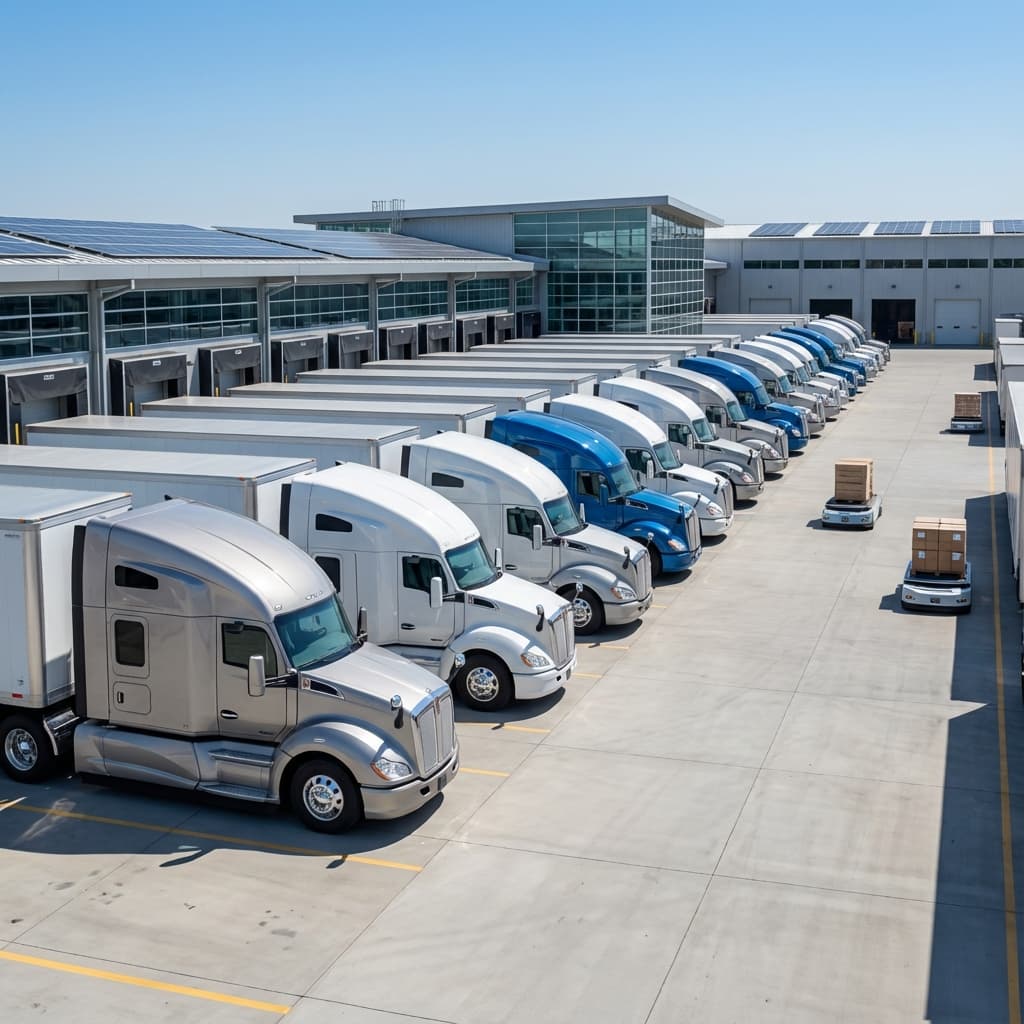
The Strategic Role of Maintenance in Business Operations
For modern motor carriers, the fleet is more than just a collection of vehicles; it is a complex portfolio of high-value assets. While many operators view maintenance as a necessary expense, elite carriers recognize it as a strategic lever for operational efficiency. In an industry where margins are often razor-thin, the difference between a profitable quarter and a deficit often lies in how effectively a carrier manages equipment uptime and lifecycle costs.
The Hidden Costs of Reactive Maintenance
Reactive maintenance—fixing components only after they fail—is one of the most significant drains on a carrier's capital. The costs extend far beyond the immediate repair invoice. When a truck goes down unexpectedly, the business suffers from:
- Service Failures: Missed delivery windows can lead to liquidated damages and the loss of high-value contracts.
- Driver Turnover: Professional drivers want to work for companies that provide reliable, safe equipment. Frequent breakdowns lead to frustration and exits.
- Out-of-Route Expenses: Emergency roadside assistance and towing fees often cost three to five times more than scheduled shop visits.
- Safety Risk: Mechanical failures on the road increase the likelihood of accidents and unfavorable roadside inspections, which negatively impact CSA scores.
Transitioning to a Predictive Framework
The evolution from preventative (calendar-based) to predictive (data-based) maintenance is the hallmark of a sophisticated business operation. By leveraging telematics and engine diagnostic data, fleet managers can identify patterns that precede component failure. This allows for "just-in-time" repairs that maximize the life of the part while ensuring the vehicle never fails during a revenue-generating haul.
Implementing a predictive framework requires a commitment to data integrity. Carriers should track the Mean Time Between Failures (MTBF) for critical components like after-treatment systems, alternators, and cooling systems. When you understand the life expectancy of these parts across your specific duty cycles, you can schedule replacements during planned downtime, keeping your fleet in constant motion.
Optimizing the Total Cost of Ownership (TCO)
Operational excellence requires a deep understanding of the Total Cost of Ownership. A truck that is paid off but requires $2,000 a month in maintenance and achieves poor fuel mileage may actually be more expensive than a new power unit with a monthly note. Business owners must analyze:
- Fuel Efficiency Erosion: As engines age and systems become less efficient, fuel costs rise. Proper maintenance of tires (alignment and pressure) and aerodynamic kits is essential for margin protection.
- Asset Lifecycle Management: Determining the optimal "trade cycle" is vital. Selling an asset while it still holds significant secondary market value—and before its maintenance costs spike—is a key strategy for fleet reinvestment.
- Warranty Recovery: Many carriers leave money on the table by failing to track and claim repairs covered under OEM or aftermarket warranties. A robust maintenance management system ensures every eligible dollar is recovered.
The Insurance and Valuation Connection
From an insurance perspective, a well-documented maintenance program is a powerful indicator of a low-risk operation. Underwriters view comprehensive maintenance logs as evidence of a proactive management culture. Furthermore, should a mechanical-related incident occur, having meticulous records can be a primary defense against claims of negligence.
Moreover, when it comes time to scale the business or seek financing, the physical condition and documented history of your fleet are critical. Lenders and investors look for carriers that treat their equipment as a precision tool rather than a disposable commodity.
Key Performance Indicators (KPIs) for Fleet Operations
To truly master the business side of trucking, carriers should move beyond simple profit/loss statements and monitor specific operational KPIs:
- Scheduled vs. Unscheduled Maintenance Ratio: Aim for a 70/30 split in favor of scheduled work.
- Maintenance Cost Per Mile (MCPM): This should be tracked at both the fleet and individual unit levels to identify "lemon" assets.
- Technician Productivity: If running an in-house shop, measure the "wrench time" vs. administrative time to ensure labor efficiency.
- Roadside Inspection Pass Rate: A direct reflection of the effectiveness of your pre-trip and shop inspection protocols.
Conclusion: Maintenance as a Competitive Advantage
In the current economic climate, growth isn't just about adding more trucks; it’s about making the existing fleet more productive. By treating maintenance as a core component of business operations rather than a back-office chore, motor carriers can build a more resilient, profitable, and scalable enterprise. At United Lanes, we believe that operational discipline is the ultimate safeguard for your business’s future.
Questions about
this topic?
Our specialists are ready to provide the personalized guidance you need for your specific situation.