The Margin Architect: Mastering the Synergy of Cost Control and Capacity Management
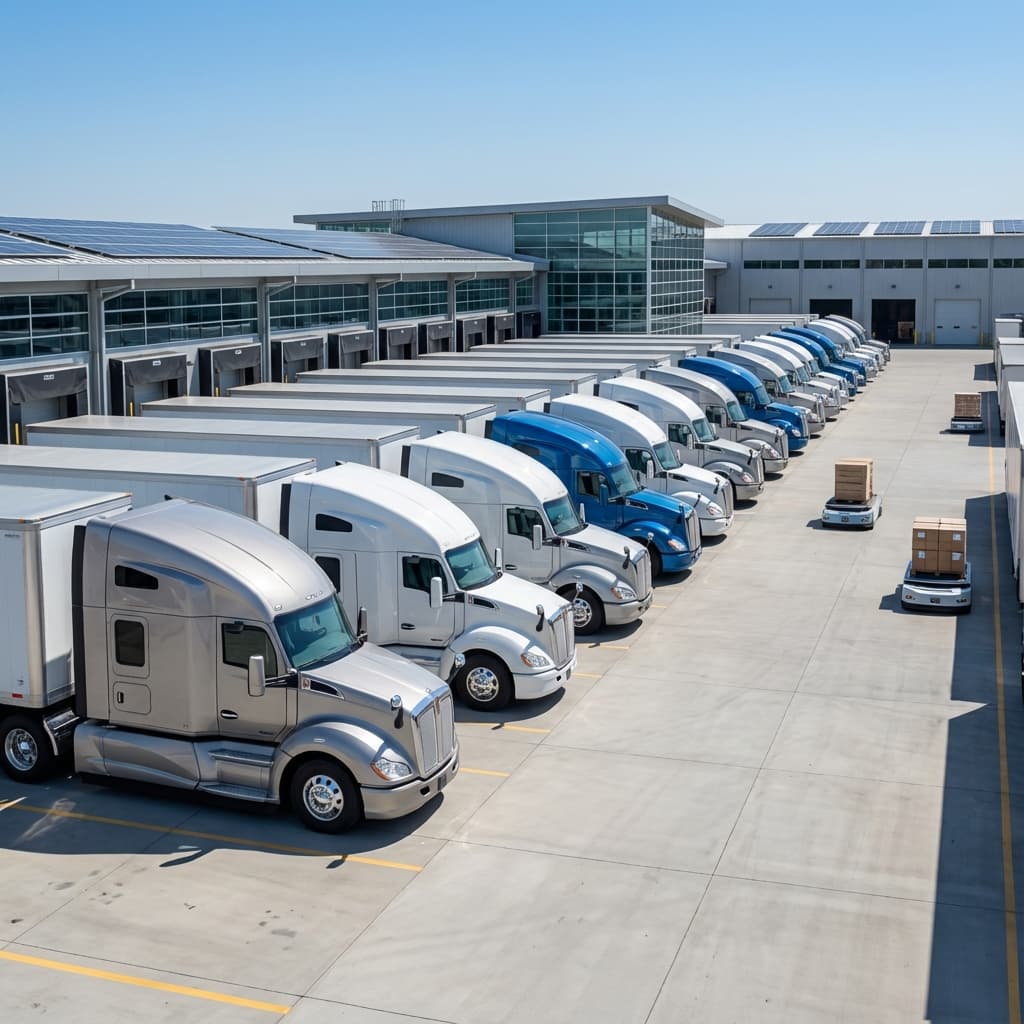
Optimizing the Business Side of the Long Haul
In the volatile world of logistics, motor carriers often mistake 'growth' for simply increasing their truck count. However, an expert industry analysis reveals that sustainable expansion is rooted in margin management rather than sheer volume. To thrive, a motor carrier must act as a 'Margin Architect,' meticulously designing a business structure where cost control and capacity management work in perfect harmony.
The Hidden Drain: Addressing Capacity Underutilization
Empty miles, or 'deadhead,' are the silent killers of profitability. While some deadheading is inevitable, a high percentage indicates a breakdown in operational strategy. To master capacity management, carriers should focus on:
- Triangulation Strategies: Moving beyond simple back-and-forth lanes to create triangular routes that minimize empty miles and keep drivers moving in high-demand corridors.
- Dynamic Routing: Utilizing advanced telematics to redirect assets in real-time based on weather, traffic, and emerging high-value spot market opportunities.
- Small-Fleet Collaboration: For mid-sized carriers, partnering with other trusted operators to share capacity during peak seasons can prevent the overhead of purchasing equipment that might sit idle during slow months.
Preventive Maintenance as a Profit Center
Maintenance is often viewed as a necessary expense, but a sophisticated carrier views it as an uptime strategy. Roadside breakdowns are significantly more expensive than scheduled shop visits, not only in repair costs but in late-delivery penalties and damaged broker relationships. A data-driven maintenance schedule reduces the Total Cost of Ownership (TCO) and ensures that your capacity remains consistent and reliable.
The Financial Impact of Driver Retention
High driver turnover is an operational inefficiency that ripples through the entire balance sheet. The cost to recruit, vet, and train a new driver can exceed $10,000 when accounting for lost productivity. Professional carriers stabilize their margins by:
- Performance-Based Incentives: Rewarding fuel efficiency and safety records, which aligns the driver's interests with the company’s bottom line.
- Equipment Quality: Providing well-maintained, modern equipment that reduces driver fatigue and increases job satisfaction.
- Predictable Home Time: Balancing capacity needs with driver well-being to prevent the 'burnout' that leads to costly turnover.
Aligning Operations with Insurance Efficiency
As a trucking insurance specialist, I see a direct correlation between operational discipline and premium stability. Insurance underwriters do not just look at your loss runs; they look at your management maturity. A carrier that uses data to manage their fleet, monitors speed and braking events, and maintains a strict preventative maintenance schedule is viewed as a lower risk. By tightening your business operations, you aren't just saving on fuel and repairs—you are positioning your fleet for the most competitive insurance rates in the market.
Strategic Scaling: When to Grow
The final pillar of the Margin Architect’s strategy is knowing when to expand. True growth should occur when your existing assets are operating at peak efficiency. If your current fleet is plagued by high deadhead percentages or maintenance backlogs, adding more trucks will only amplify those problems. Scaling should be the result of excess demand that cannot be met by an already optimized operation, ensuring that every new power unit added to the fleet is profitable from day one.
Questions about
this topic?
Our specialists are ready to provide the personalized guidance you need for your specific situation.