The Maintenance Multiplier: Strategic Fleet Lifecycle Management for Sustainable Growth
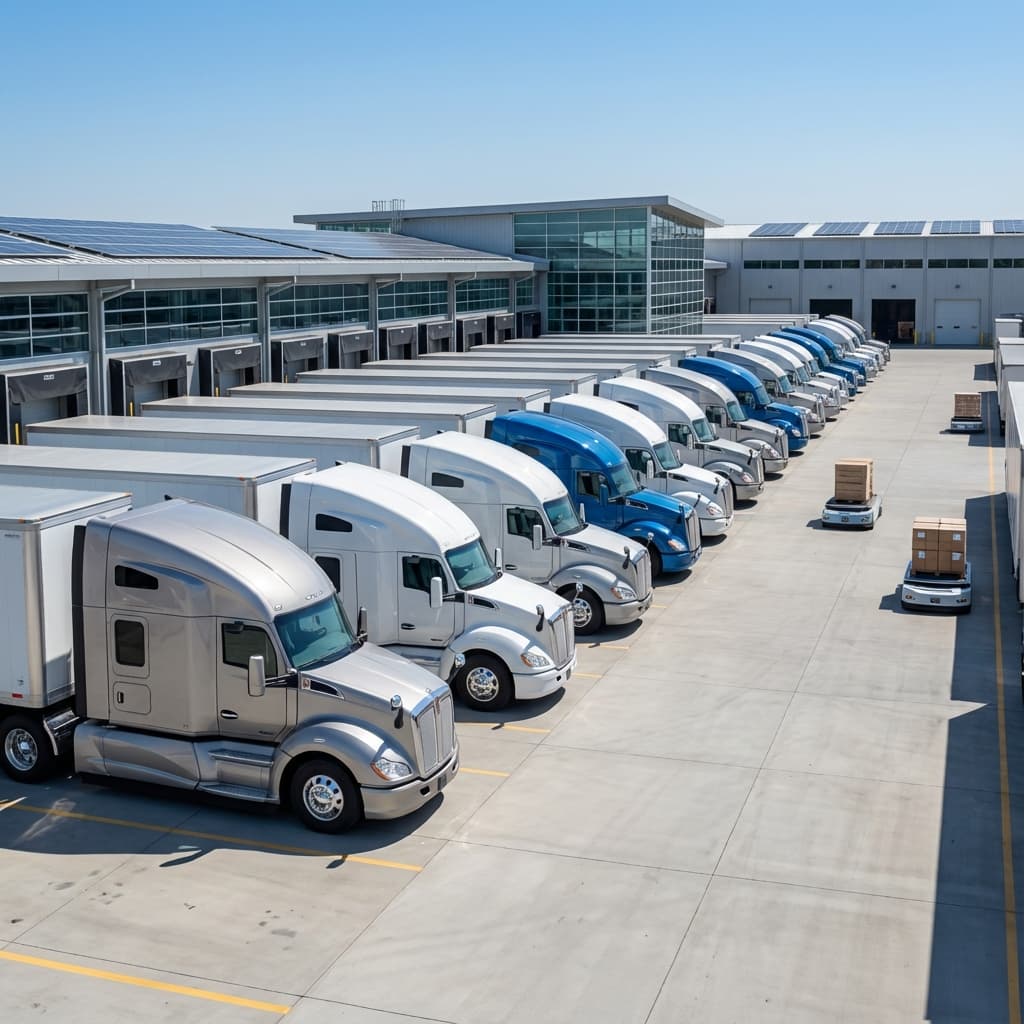
Beyond the Repair Shop: Maintenance as a Strategic Business Lever
In the high-stakes world of motor carrier operations, many executives view maintenance as an unavoidable cost center—a necessary evil to keep wheels turning. However, at United Lanes Insurance, our data shows that the most successful fleets treat maintenance as a strategic multiplier. A well-oiled maintenance program does more than prevent breakdowns; it safeguards your insurance premiums, boosts driver retention, and maximizes the resale value of your most capital-intensive assets.
The Preventive vs. Reactive Paradigm
The financial chasm between reactive and preventive maintenance is staggering. Reactive maintenance—fixing things only when they break—often results in emergency towing fees, expedited parts shipping, and, most critically, lost revenue from missed loads.
A Preventive Maintenance (PM) program, driven by mileage or engine hours, allows carriers to:
- Identify Early Warning Signs: Catching a worn wheel seal during a scheduled inspection prevents a roadside fire or a catastrophic bearing failure.
- Optimize Shop Throughput: Scheduled repairs allow for better labor allocation and inventory management of common parts.
- Reduce Roadside Inspections: Clean, well-maintained equipment is less likely to be flagged for Level I inspections, keeping your CSA scores healthy.
Lifecycle Cost Analysis: The Art of the Trade-In
Operational efficiency is deeply tied to the age of your fleet. As trucks age, the cost per mile (CPM) for maintenance climbs while reliability drops. Expert fleet managers utilize Lifecycle Cost Analysis to determine the 'sweet spot' for asset replacement.
The Economic Lifecycle
Typically, a Class 8 tractor hits an inflection point between 400,000 and 500,000 miles. At this stage, major component failures (DPF systems, transmissions, injectors) become more frequent. By analyzing the total cost of ownership, including fuel efficiency gains in newer models and the reduction in downtime, carriers can often justify a more aggressive trade-in cycle that keeps their fleet under factory warranty, significantly stabilizing monthly cash flows.
The Driver-Maintenance Connection
In a tight labor market, the condition of your equipment is a primary factor in driver satisfaction. Professional drivers want to work for carriers that prioritize safety and minimize the frustration of roadside breakdowns. When a driver knows that a 'driver-write-up' will be addressed promptly during the next yard stay, they are more likely to perform thorough pre-trip and post-trip inspections. This culture of accountability creates a feedback loop that protects the fleet’s integrity and reduces the likelihood of an out-of-service (OOS) event.
Leveraging Telematics for Predictive Maintenance
The next frontier in business operations is Predictive Maintenance. By integrating telematics data with maintenance software, motor carriers can move beyond generic intervals. Real-time fault code monitoring allows fleet managers to see an issue the moment a dashboard light flickers, often diagnosing the severity remotely before the truck even reaches a terminal.
This proactive approach is highly valued by underwriters. Demonstrating that your fleet utilizes data to prevent mechanical failures signals a sophisticated risk management profile, which can be a powerful tool during insurance renewals.
Conclusion: Driving Value Through Diligence
Operational excellence in trucking isn't about the miles you run; it’s about the profitability of every mile. By shifting from a mindset of 'fixing' to a strategy of 'managing,' motor carriers can reduce their total cost of risk, enhance their reputation with shippers, and build a resilient foundation for future growth. Remember, the cheapest repair is the one you never had to make on the side of a highway.
Questions about
this topic?
Our specialists are ready to provide the personalized guidance you need for your specific situation.