The Liquidity Engine: Mastering Cash Flow and Working Capital for Accelerated Fleet Growth
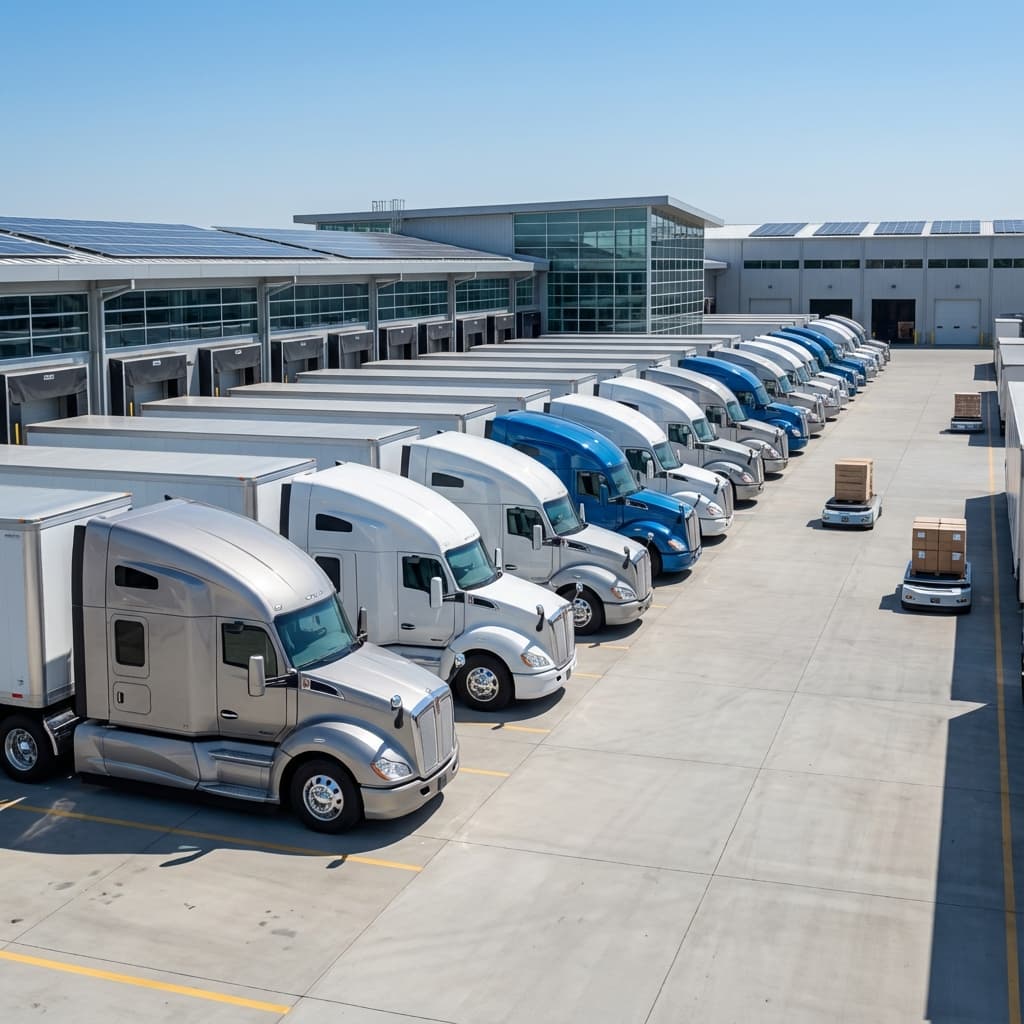
The Invisible Constraint on Motor Carrier Growth
In the high-stakes world of transportation, many motor carriers fall into the trap of equating high gross revenue with business health. However, in an industry characterized by delayed payment cycles and immediate operating expenses, liquidity is the true engine of growth. Without a sophisticated approach to managing working capital, even a carrier with a full board of high-paying freight can face insolvency.
For the modern motor carrier, mastering the business side of trucking means moving beyond simple bookkeeping and into strategic cash flow management. This guide explores the mechanisms that allow successful fleets to maintain agility, fund expansion, and weather the cyclical nature of the freight market.
Decoding the Cash Conversion Cycle (CCC)
The Cash Conversion Cycle in trucking represents the time it takes for a dollar spent on fuel, labor, and maintenance to return to the business as a dollar of collected revenue. In many sectors of the industry, carriers are expected to pay drivers weekly and fuel providers daily, while shippers or brokers may take 30, 60, or even 90 days to settle an invoice.
To optimize this cycle, carriers must focus on Days Sales Outstanding (DSO). Reducing your DSO by even five days can unlock significant capital that is otherwise trapped in accounts receivable. Strategies include:
- Implementing automated invoicing systems that trigger the moment a Proof of Delivery (POD) is uploaded.
- Offering small early-payment discounts (e.g., 1/10 net 30) to reliable shippers.
- Rigorous credit vetting of new brokers to avoid collection delays.
Strategic Financing: Factoring vs. Asset-Based Lending
When fleet owners look to scale, they often face a choice between invoice factoring and traditional lines of credit. Each has its place in a business operations strategy.
Invoice Factoring provides immediate liquidity and is often the lifeline for growing fleets. However, professional carriers must distinguish between 'recourse' and 'non-recourse' factoring. Non-recourse factoring acts as a form of credit insurance, protecting the carrier if the debtor becomes insolvent. While more expensive, it provides a level of financial certainty that is vital during economic downturns.
Asset-Based Lending (ABL) or traditional bank lines of credit typically offer lower interest rates but require stronger balance sheets. As a carrier matures, transitioning part of their financing to an ABL structure can significantly reduce the cost of capital, directly improving the bottom line and providing a cheaper source of funds for equipment acquisition.
Building a Maintenance and Tax Reserve
Operational efficiency is often derailed by the 'unforeseen' expense that should have been anticipated. A common mistake in fleet management is treating the remaining cash after fuel and payroll as pure profit. To protect the business, carriers must implement a sinking fund strategy.
Allocating a fixed cent-per-mile (CPM) into a dedicated escrow account for maintenance and tire replacement ensures that a major breakdown doesn't become a liquidity crisis. Similarly, setting aside funds for IFTA and quarterly tax obligations prevents the 'tax season scramble' that often leads to high-interest short-term borrowing.
Leveraging Fuel Programs for Cash Velocity
Fuel is the largest variable expense for any motor carrier. Beyond the obvious benefit of per-gallon discounts, a strategic fuel card program serves as a short-term credit facility. By leveraging the float provided by fuel cards—where purchases today are settled a week or two later—carriers can keep more cash in their primary accounts for a longer duration, effectively using the fuel provider's capital to fund their daily operations.
The Role of Data in Operational Resilience
Finally, growth requires visibility. Professional motor carriers should move toward real-time financial reporting. Understanding your break-even point on a per-truck and per-lane basis allows for better decision-making during 'soft' markets. When you know exactly what it costs to keep the wheels turning, you can avoid 'revenue-only' loads that actually erode your working capital.
By treating cash flow with the same rigor as safety and maintenance, motor carriers transform from reactive entities into proactive market leaders. At United Lanes, we understand that a well-funded, liquid operation is a lower-risk operation, and that financial stability is the ultimate competitive advantage.
Questions about
this topic?
Our specialists are ready to provide the personalized guidance you need for your specific situation.