The Liquidity Architecture: Mastering Cash Flow Management for Scalable Fleet Operations
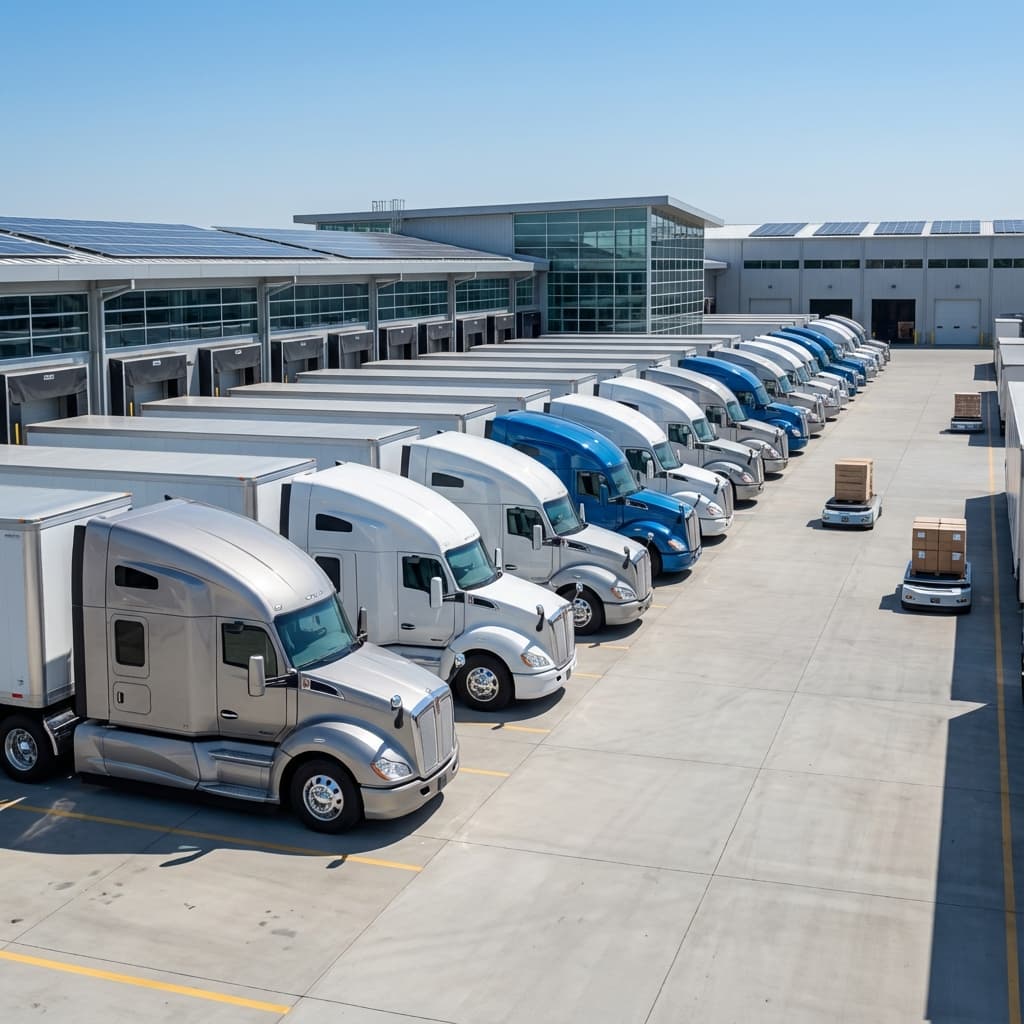
The Vital Pulse of Motor Carrier Operations
For motor carriers, the difference between a thriving fleet and a struggling one often has less to do with the volume of freight moved and more to do with the timing of capital. In an industry characterized by high immediate overhead—fuel, driver wages, and insurance—and delayed revenue cycles, mastering the 'Liquidity Architecture' is essential for long-term survival and scalability.
At United Lanes Insurance, we observe that the most resilient carriers are those that treat financial management with the same rigor as their safety protocols. This guide explores the strategic pillars of cash flow management designed to help you navigate the complexities of fleet growth.
1. Bridging the Working Capital Gap
The 'Working Capital Gap' is the time elapsed between paying for the expenses of a load (fuel, labor, maintenance) and receiving payment from the broker or shipper. In trucking, this gap can often span 30 to 60 days, creating a significant strain on liquidity.
- Invoice Management: Implement automated billing systems to ensure invoices are sent the moment the Proof of Delivery (POD) is signed. Even a two-day delay in invoicing can ripple through your month-end cash position.
- Strategic Use of Factoring: While factoring provides immediate liquidity, it comes at a cost. Use it strategically for growth spurts or to bridge specific gaps, but aim to build enough cash reserves to eventually reduce reliance on high-fee services.
- Negotiated Pay Terms: Don't assume standard terms are non-negotiable. Large carriers often negotiate 'Quick Pay' options or shorter terms in exchange for consistent service levels.
2. Optimizing the Equipment Lifecycle
Fleet management is more than just keeping trucks on the road; it is about managing the Total Cost of Ownership (TCO). As a fleet grows, the financial impact of maintenance becomes exponential.
Preventive vs. Reactive Capital Expenditure
Reactive repairs are consistently 3-4 times more expensive than preventive maintenance when factoring in towing, emergency labor rates, and, most importantly, opportunity cost. A truck sitting in a shop is a liability, not an asset. By implementing a strict preventive maintenance schedule, you stabilize your monthly expenses and protect your equipment's resale value, which is a critical component of your balance sheet.
3. The Financial Leverage of Insurance
Insurance is often viewed as a fixed cost, but it is actually a flexible tool in your financial architecture. How you structure your coverage directly impacts your liquidity.
- Deductible Strategy: Increasing your physical damage or cargo deductibles can significantly lower your monthly premiums. However, this must be backed by a dedicated 'risk fund' in your savings to ensure a single incident doesn't cause a liquidity crisis.
- Premium Financing: For expanding fleets, paying an entire annual premium upfront can cripple growth. Utilizing premium financing allows you to spread the cost over the year, keeping cash available for equipment acquisition or driver recruitment.
- Loss History Protection: Your insurance loss run is a financial asset. Maintaining a clean record isn't just about safety; it’s about ensuring you have access to the lowest possible rates, which directly improves your profit margins.
4. Scaling with Precision: Variable vs. Fixed Costs
Growth for the sake of growth is a trap. Scalable fleet operations require a deep understanding of cost structures. To maintain liquidity during expansion, carriers must distinguish between:
- Fixed Costs: Truck payments, permits, and administrative salaries. These must be covered regardless of mileage.
- Variable Costs: Fuel, tires, and driver commissions. These should ideally scale in direct proportion to revenue.
Strategic Insight: Successful carriers often maintain a 'Liquidity Buffer' equivalent to three months of fixed operating costs. This provides the agility to survive market downturns or fuel price spikes without halting operations.
Conclusion: Building for the Long Haul
Effective business operations in trucking require a shift in mindset from 'moving freight' to 'managing a financial ecosystem.' By optimizing your billing cycles, maintaining a disciplined maintenance schedule, and leveraging your insurance profile, you create the financial stability necessary to scale from a small operation to a regional powerhouse.
At United Lanes Insurance, we are committed to helping motor carriers protect their assets and optimize their risk profiles to support sustainable, profitable growth.
Questions about
this topic?
Our specialists are ready to provide the personalized guidance you need for your specific situation.