The Lifecycle Optimization Strategy: Maximizing Fleet ROI Through Strategic Asset Replacement and Maintenance Governance
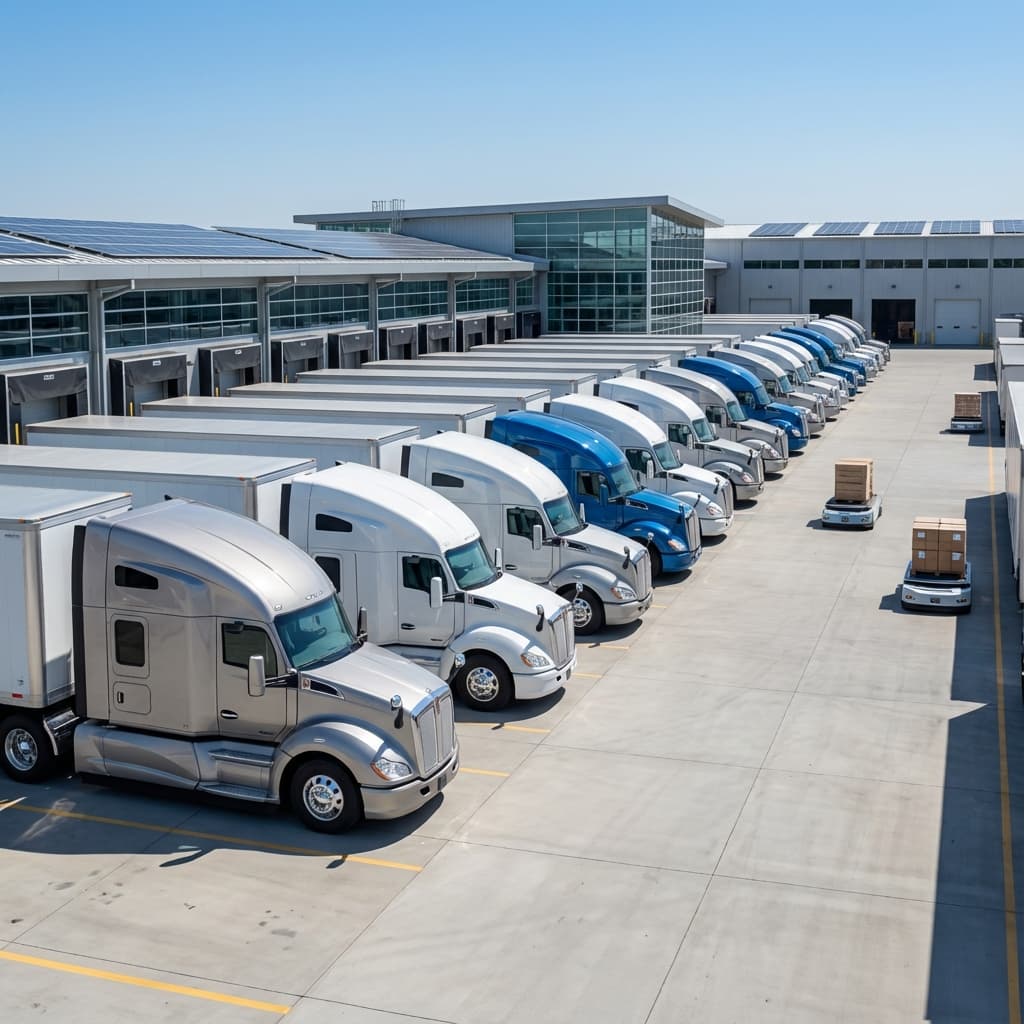
The Financial Science of Fleet Longevity
For the modern motor carrier, a truck is more than a vehicle; it is a revenue-generating asset with a definitive shelf life. One of the most significant challenges in Business Operations is determining the exact moment an asset transitions from a profitable tool to a financial liability. Effective lifecycle optimization requires a shift from reactive repairs to a sophisticated governance model that balances capital expenditure (CAPEX) against escalating operating expenses (OPEX).
Identifying the 'Sweet Spot' for Asset Replacement
The total cost of ownership (TCO) for a Class 8 tractor follows a predictable curve. In the first three years, depreciation is the primary cost, while maintenance is negligible. As the vehicle crosses the 400,000-mile threshold, the inverse occurs: depreciation flattens, but maintenance costs and downtime frequency spike. To maximize ROI, carriers must identify their 'sweet spot'—the point where the combined cost of the monthly note, maintenance, and fuel efficiency loss is at its lowest.
- Maintenance Escalation: Beyond year four, 'wear and tear' items evolve into major component failures (turbos, after-treatment systems, transmissions).
- Fuel Efficiency Gaps: Newer models often provide a 2-4% improvement in MPG. Over 100,000 miles per year, this difference represents thousands of dollars in straight profit.
- Downtime Costs: The true cost of a breakdown isn't just the repair bill; it is the lost revenue, the potential service failure fines, and the impact on driver retention.
The Intersection of Maintenance Governance and Insurance Risk
From an underwriting perspective, the age and condition of a fleet are primary indicators of operational risk. A carrier that operates an aging fleet without a documented Maintenance Governance program is often viewed as a higher risk. Older equipment is statistically more likely to suffer from mechanical failures that lead to accidents, such as tire blowouts or brake malfunctions.
By maintaining a younger fleet or a rigorous, data-driven maintenance schedule, carriers can demonstrate to insurers that they are proactive rather than reactive. This operational discipline often translates into more favorable physical damage rates and lower liability premiums, as modern trucks come equipped with advanced driver assistance systems (ADAS) that significantly reduce collision frequency.
Data-Driven Decision Making: Leveraging Telematics
The transition to a sophisticated lifecycle strategy is powered by data. Modern telematics do more than track location; they provide real-time diagnostic snapshots that allow operations managers to predict failures before they happen. Integrating these insights into your business model allows for:
- Predictive Component Replacement: Replacing a water pump during a scheduled service interval is significantly cheaper than an emergency roadside repair.
- Driver Performance Impact: Identifying harsh braking or over-revving can extend the life of brake pads and engines, stretching the replacement cycle without increasing risk.
- Warranty Management: Ensuring that all possible repairs are captured under OEM warranties before they expire.
Strategic Disposition: Maximizing Resale Value
Operational efficiency also extends to the back end of the asset lifecycle. Carriers should treat the sale of used equipment as a core revenue stream. Maintaining impeccable service records and opting for mid-cycle refurbishments (such as professional detailing and seat replacements) can significantly increase the secondary market value of a tractor. Monitoring the used truck market allows carriers to time their trade-ins when demand is high, further offsetting the cost of new equipment acquisition.
Conclusion: Building a Resilient Operation
Optimizing the lifecycle of your fleet is a balancing act that requires constant vigilance over data and market trends. By implementing a strategic asset replacement cycle and a robust maintenance governance framework, motor carriers can protect their margins, satisfy insurance underwriters, and provide their drivers with the reliable equipment they deserve. In an industry with razor-thin margins, the difference between growth and stagnation often lies in the efficiency of your fleet’s lifecycle.
Questions about
this topic?
Our specialists are ready to provide the personalized guidance you need for your specific situation.