The Lifecycle Optimization Model: Strategic Asset Management for the Modern Motor Carrier
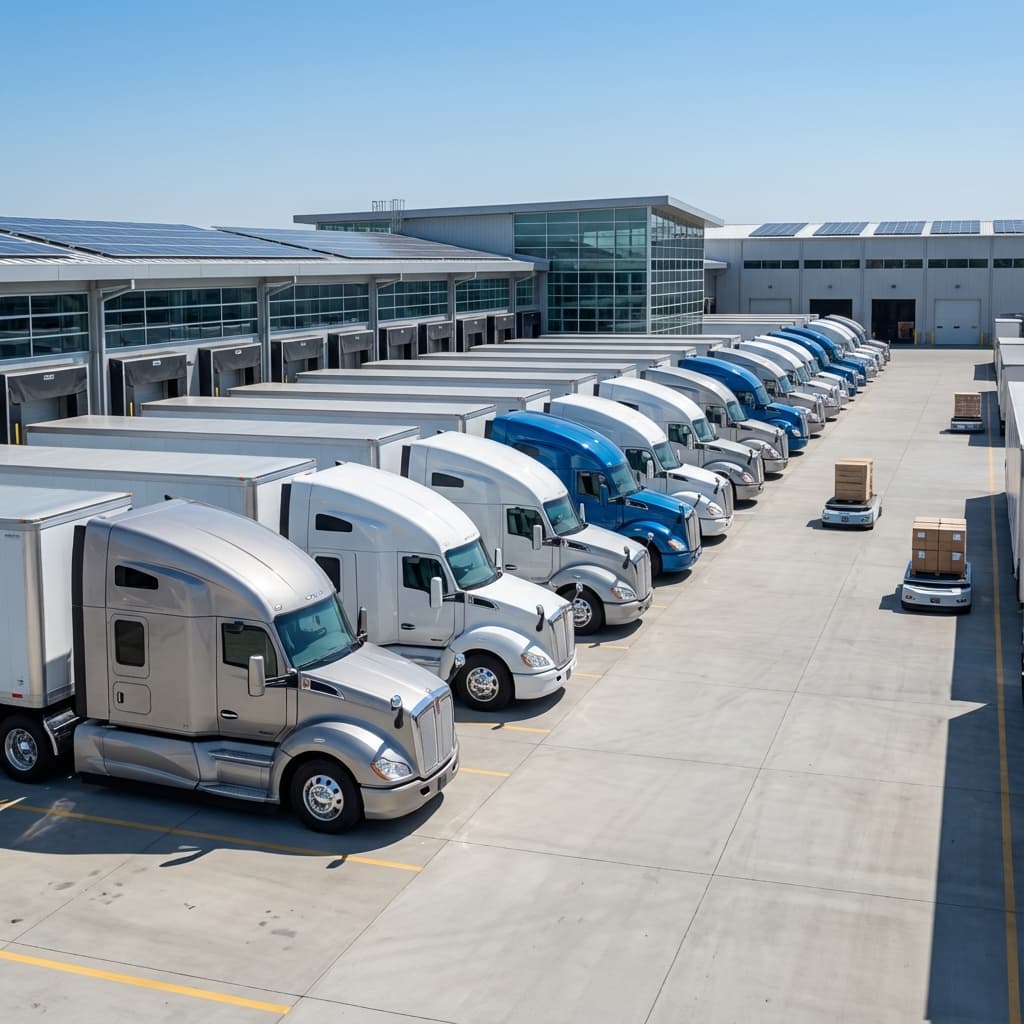
Mastering the Economics of the Fleet Lifecycle
For motor carriers, the truck is not just a vehicle; it is a revenue-generating asset with a finite productive lifespan. In the current economic climate, the difference between a thriving fleet and one struggling with thin margins often comes down to Lifecycle Optimization. This strategy involves managing an asset from acquisition through disposal to minimize the Total Cost of Ownership (TCO) while maximizing operational uptime.
At United Lanes Insurance, we observe a direct correlation between proactive asset management and more favorable insurance terms. Modern equipment equipped with the latest safety technology not only reduces the frequency of claims but also presents a more attractive risk profile to underwriters.
The Total Cost of Ownership (TCO) Equation
To optimize a fleet, carriers must look beyond the monthly lease or loan payment. A comprehensive TCO analysis includes:
- Fixed Costs: Depreciation, interest, insurance premiums, and permits.
- Variable Costs: Fuel, tires, and preventative maintenance.
- Incidental Costs: Emergency roadside repairs, towing, and the opportunity cost of downtime.
The goal is to identify the "Sweet Spot"—the point in time where the rising cost of maintenance and the risk of breakdown begin to outweigh the declining cost of depreciation. For most Class 8 tractors, this equilibrium typically occurs between years four and six, or approximately 450,000 to 550,000 miles.
Strategic Replacement Cycles: Reliability vs. Capital Expenditure
While extending the life of a truck might seem like a cost-saving measure, it often backfires through increased Out-of-Service (OOS) rates. High OOS rates negatively impact your CSA scores, which in turn drives up insurance premiums and makes it harder to secure high-paying freight from premium shippers.
The Benefits of a Shorter Lifecycle (3–5 Years):
- Enhanced Safety Tech: Newer models include advanced collision avoidance and lane-departure systems, which are key factors in underwriting discounts.
- Fuel Efficiency: Each new generation of engines offers incremental gains in MPG, which compounds across a fleet.
- Warranty Coverage: Keeping trucks under OEM warranty eliminates the volatility of major component failures (engine, transmission, after-treatment systems).
Leveraging Telematics for Operational Efficiency
Operational efficiency is no longer about intuition; it is about data integration. By leveraging telematics, carriers can transition from reactive maintenance to predictive maintenance. Knowing that a sensor is failing before it causes a roadside breakdown allows for scheduled repairs during home time, preserving the driver’s hours of service and the carrier's reputation for reliability.
Furthermore, telematics data provides the transparency needed to prove to insurers that your fleet is operated professionally. High-performing carriers use this data to negotiate better rates by demonstrating a lower-than-average risk profile through monitored speed, braking, and idle times.
Capital Management and Fleet Growth
Scaling a motor carrier requires a balance between liquid capital and asset investment. For carriers looking to grow, we recommend a staggered replacement schedule. By replacing a percentage of the fleet annually rather than the entire fleet at once, you can:
- Maintain a consistent and predictable cash flow.
- Ensure a constant presence of late-model equipment to attract and retain high-quality drivers.
- Avoid the massive spike in insurance premiums that can occur when adding many new units simultaneously without a historical loss record on those specific VINs.
The Insurance Perspective on Asset Quality
From an insurance standpoint, a well-maintained, newer fleet is a primary indicator of a well-run business. Underwriters view a commitment to modern equipment as a commitment to safety. When you invest in your assets, you are effectively investing in your insurability. This leads to more stable premiums and broader coverage options, providing the financial foundation necessary for long-term scalability and market resilience.
Questions about
this topic?
Our specialists are ready to provide the personalized guidance you need for your specific situation.