The Lean Motor Carrier: Applying Operational Excellence to Drive Sustainable Fleet Growth
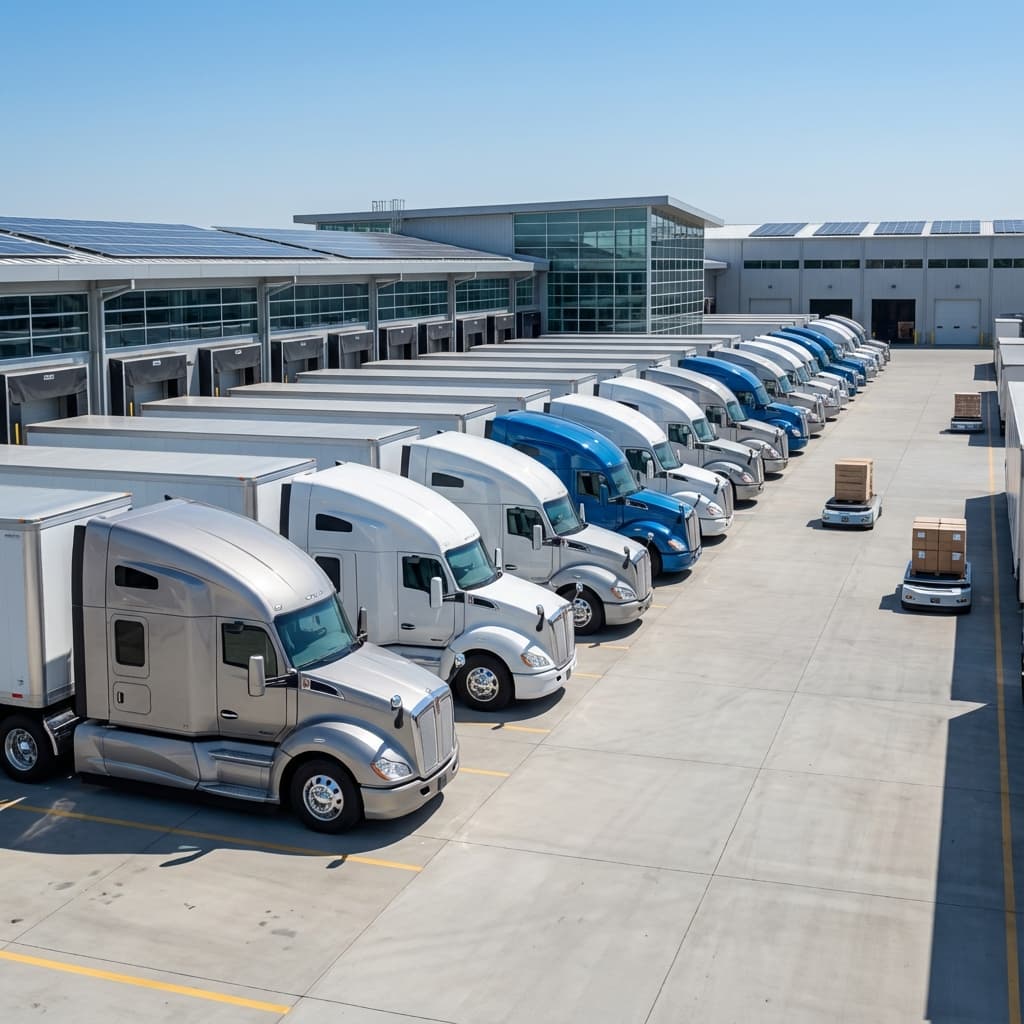
Beyond the Logbook: Mastering Operational Excellence
In the high-stakes world of motor carrier operations, the margin between a thriving fleet and one that is merely surviving often comes down to operational efficiency. While many owners focus solely on increasing rate-per-mile, the most successful carriers—those ready for sustainable expansion—look inward. They apply Lean Management principles to identify inefficiencies, reduce overhead, and create a resilient business structure that survives market volatility.
At United Lanes Insurance, we see firsthand how operational discipline translates into lower risk profiles and better financial standing. This guide explores how to transition from reactive management to a proactive model of operational excellence.
Identifying the 'Seven Wastes' in Trucking Operations
Lean methodology centers on the elimination of 'muda' (waste). For a motor carrier, waste isn't just physical scrap; it is any activity that consumes resources without adding value to the customer or the bottom line. Consider these critical areas:
- Waiting Time: This is the most common waste, often found at shipper/receiver docks. Modern carriers use data to identify 'bad actors' in their customer base and renegotiate detention terms or shift capacity to more efficient facilities.
- Empty Miles (Deadheading): While some deadheading is inevitable, excessive empty miles represent a failure in routing and dispatch synchronization.
- Administrative Over-processing: Redundant data entry and manual paperwork processes slow down cash flow and increase the likelihood of human error in compliance and billing.
- Underutilized Talent: Failing to engage drivers in the company’s mission leads to higher turnover. A driver who feels like a 'steering wheel holder' rather than an operational partner is more likely to leave.
Leveraging Data as a Strategic Asset
True operational efficiency is impossible without visibility. The transition from a small operator to a medium-sized fleet requires moving beyond 'gut feeling' to data-driven decision-making. Your ELD (Electronic Logging Device) and TMS (Transportation Management System) are not just compliance tools—they are the heartbeat of your business intelligence.
The Power of Predictive Maintenance
Operational uptime is the cornerstone of growth. By integrating telematics with maintenance schedules, carriers can move from reactive repairs—which often result in expensive roadside assistance and missed deliveries—to predictive maintenance. This approach reduces the Total Cost of Ownership (TCO) and ensures that your assets are always generating revenue rather than sitting in a shop.
Optimizing the Dispatch-to-Invoice Cycle
Efficiency doesn't end when the freight is delivered. A lean operation optimizes the 'order-to-cash' cycle. By utilizing mobile document scanning and automated invoicing, carriers can reduce Days Sales Outstanding (DSO), providing the liquidity necessary to fund expansion or invest in newer, more fuel-efficient equipment.
The Human Element: Retention as an Operational Strategy
It is a common industry mistake to view driver recruitment as a HR function only. In reality, driver retention is a core operational strategy. The cost of replacing a driver—including recruiting, onboarding, and the lost opportunity cost of an idle truck—can range from $5,000 to $10,000.
By improving operational flow—ensuring drivers have consistent miles, predictable home time, and well-maintained equipment—you naturally improve retention. A stable driver force creates a 'safety dividend,' leading to fewer incidents and more predictable insurance costs over time.
Building the Foundation for Scalability
To scale from five trucks to fifty, your processes must be repeatable and independent of the owner's constant intervention. This requires:
- Standard Operating Procedures (SOPs): Documented workflows for everything from driver orientation to accident reporting.
- Key Performance Indicators (KPIs): Tracking metrics like Operating Ratio, Revenue per Truck per Week, and Maintenance Cost per Mile.
- Scalable Technology: Investing in a TMS that can handle increased volume without a linear increase in administrative staff.
Conclusion: The Competitive Advantage of Efficiency
The motor carriers that dominate the next decade will not necessarily be the ones with the most trucks, but the ones with the most efficient operations. By adopting a lean mindset, you protect your margins, empower your workforce, and present a more attractive profile to insurers and lenders alike. Operational excellence is not a destination, but a continuous journey of refinement that secures your place in the future of freight.
Questions about
this topic?
Our specialists are ready to provide the personalized guidance you need for your specific situation.