The Lean Carrier: Strategies for Optimizing Operating Ratios and Sustaining Growth
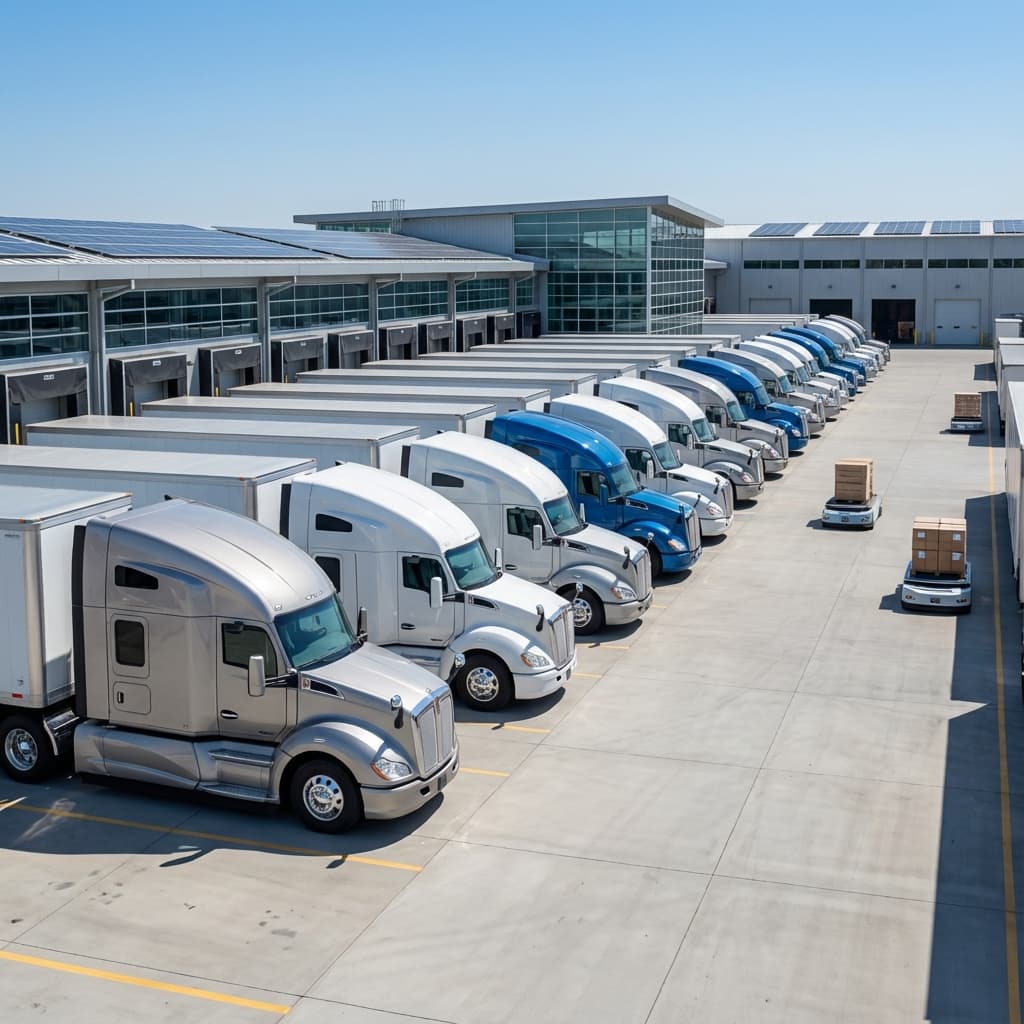
The Foundation of Fleet Profitability: Understanding the Operating Ratio
In the high-stakes world of transportation, revenue is often a vanity metric, while the Operating Ratio (OR) is the true measure of a carrier's health. For motor carriers looking to scale, maintaining a lean OR—calculated by dividing operating expenses by operating revenue—is the difference between a thriving enterprise and one vulnerable to market volatility. A lower ratio indicates that a company is keeping more of every dollar earned, providing the necessary liquidity to invest in newer equipment and better insurance programs.
Precision Maintenance: Shifting from Reactive to Predictive
Operational efficiency begins with the asset. Unplanned downtime is one of the most significant ‘silent killers’ of profitability. To optimize business operations, successful carriers are moving beyond standard preventative maintenance into predictive maintenance models.
- Real-time Telematics: Utilizing engine diagnostics to identify fault codes before they result in a roadside breakdown.
- Tire Pressure Monitoring Systems (TPMS): Reducing fuel consumption and extending the lifecycle of one of the fleet's most expensive consumables.
- In-House vs. Outsourced Repair Analysis: Auditing repair costs to determine if bringing maintenance in-house provides better control over quality and lead times as the fleet grows.
The Human Capital Factor: Driver Retention as a Growth Strategy
Many carriers view driver recruitment as a necessary expense, but elite operators view driver retention as a financial strategy. The cost of replacing a single driver can range from $5,000 to $15,000 when accounting for recruitment, onboarding, and the lost revenue of an unseated truck.
High turnover rates do more than just drain cash; they negatively impact your risk profile. Long-tenured drivers are statistically safer, leading to fewer claims and lower insurance premiums. Professionalizing the driver experience through performance-based bonuses and transparent communication directly improves the bottom line and stabilizes operational costs.
Leveraging Technology for Route and Fuel Efficiency
Fuel remains one of the largest variable expenses for any motor carrier. Optimizing fuel spend is not just about finding the cheapest pump price; it is about operational discipline. Implementing advanced routing software ensures that deadhead miles are minimized and that drivers are utilizing the most efficient paths to their destinations.
Furthermore, monitoring idle time through telematics can reveal significant waste. By reducing idle time by just 10%, a mid-sized fleet can save thousands of dollars annually, capital that can be reinvested into safety technology or fleet expansion.
How Operational Efficiency Influences Insurance Premiums
From an underwriting perspective, a carrier with tight operational controls is a lower-risk bet. When an insurance specialist reviews a file, they look for indicators of a 'well-run' business. This includes:
- Financial Stability: A strong operating ratio suggests the carrier has the funds to maintain equipment properly.
- Consistent Procedures: Documented operational workflows reduce the likelihood of human error that leads to accidents.
- Technology Adoption: Carriers using route optimization and maintenance tracking are viewed as proactive rather than reactive.
By focusing on the business side of trucking—optimizing your operating ratio and tightening internal processes—you aren't just making more money today; you are building a resilient, scalable operation that commands better rates and respect in the insurance marketplace.
Summary: The Path to Scalability
Growth in the trucking industry requires more than just adding trucks; it requires mathematical precision in management. By focusing on asset health, driver satisfaction, and fuel efficiency, motor carriers can lower their operating ratios, insulate themselves from economic shifts, and create a sustainable blueprint for future expansion.
Questions about
this topic?
Our specialists are ready to provide the personalized guidance you need for your specific situation.