The Lean Carrier Framework: Engineering Operational Resilience Through Strategic Resource Optimization
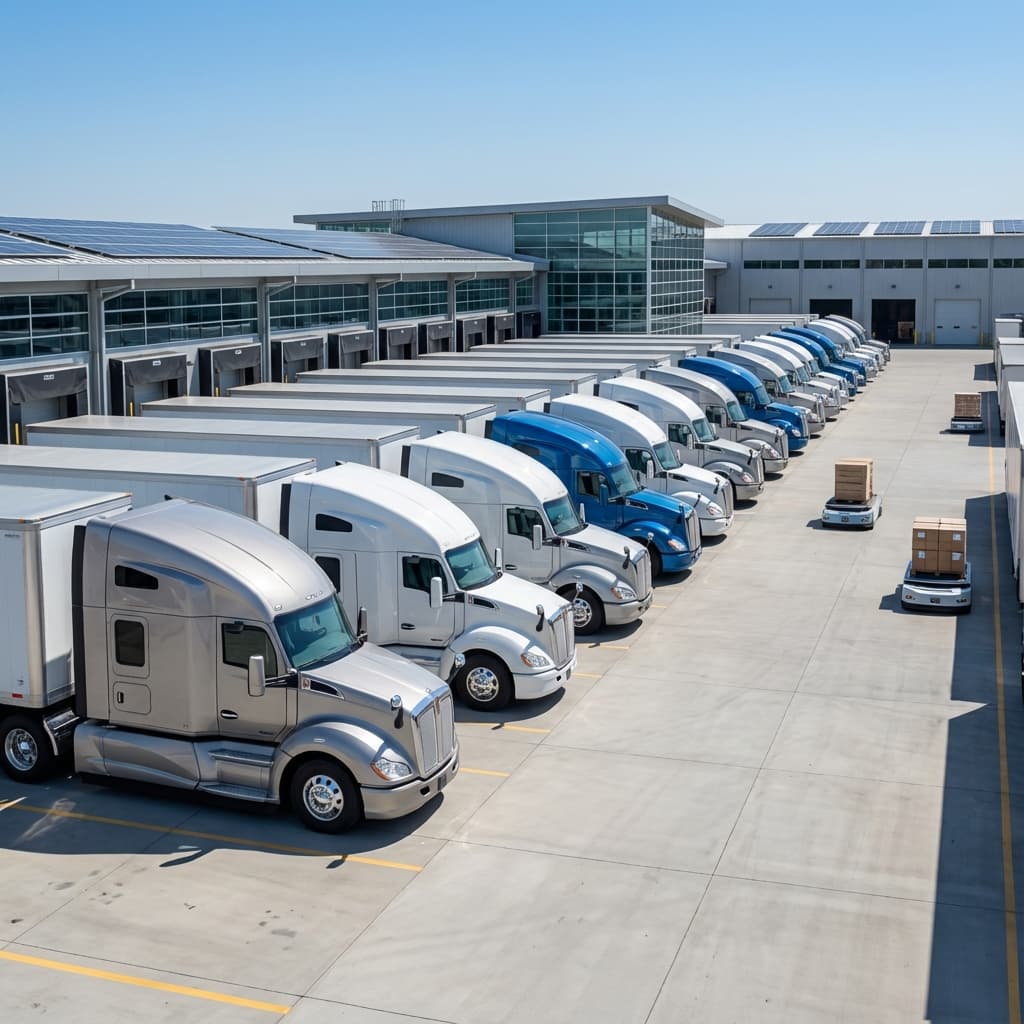
Beyond More Trucks: The Philosophy of Lean Operations
In the trucking industry, growth is frequently mismeasured by the number of power units in a fleet. However, scaling a motor carrier without first optimizing its core operations often leads to bloated overhead and razor-thin margins. At United Lanes Insurance, we observe that the most resilient carriers are those that adopt a 'Lean Carrier Framework'—focusing on maximizing the revenue potential of every existing asset before expanding their footprint.
1. Maximizing Asset Utilization and Revenue per Power Unit
To achieve operational excellence, carriers must shift their primary KPI from simple mileage to Revenue per Truck per Day. Operational efficiency is found in the gaps between loads. High-performing carriers use the following strategies to minimize downtime:
- Dynamic Dwell Time Management: Use telematics data to identify shippers and receivers with excessive detention times. Data-driven carriers use this evidence to renegotiate rates or pivot toward more efficient freight partners.
- Preventative Maintenance Syncing: Rather than reactive repairs that pull trucks off the road unexpectedly, lean carriers schedule maintenance during mandatory driver resets, ensuring the asset is available during peak revenue hours.
2. The Integrated Technology Stack: TMS as a Profit Engine
A Transportation Management System (TMS) is no longer a luxury; it is the central nervous system of a lean operation. For a motor carrier to scale efficiently, their technology stack must provide real-time visibility into the Operating Ratio (OR). This involves:
Automated Dispatch and Route Optimization
Manual dispatching is prone to human error and personal bias. Automated routing software can calculate the most fuel-efficient paths while considering HOS (Hours of Service) constraints, significantly reducing deadhead miles. Reducing empty miles by even 5% can represent a massive swing in annual net profitability.
Real-Time Cost Tracking
A lean operation tracks costs down to the penny-per-mile (PPM). By integrating fuel card data and maintenance logs into your TMS, you can identify which lanes are truly profitable and which are being subsidized by the rest of the fleet.
3. Human Capital: Retention as an Operational Efficiency
Driver turnover is one of the most significant 'hidden' wastes in a trucking business. The cost of recruiting, onboarding, and training a new driver can range from $5,000 to $15,000. From a business operations standpoint, retention is an efficiency strategy.
Professional carriers treat drivers as partners in the lean framework. Providing drivers with predictable home time, well-maintained equipment, and performance-based bonuses tied to safety and fuel efficiency creates a culture of ownership. When drivers stay, operational continuity improves, and insurance risk profiles stabilize.
4. Strategic Financial Discipline and Cash Flow Management
Operational efficiency is easily undermined by poor cash flow. The 'Lean Carrier' maintains a rigorous approach to financial health:
- Optimizing the Cash Conversion Cycle: Whether through disciplined invoicing or strategic factoring, ensuring that capital is available for immediate operational needs prevents the use of high-interest emergency credit.
- Fuel Surcharge Precision: In a volatile energy market, carriers must ensure their fuel surcharge programs are calibrated weekly to reflect actual costs, protecting the bottom line from sudden price spikes.
Conclusion: Scaling with Intent
Growth should be the result of a perfected process, not a solution for a struggling business. By focusing on asset utilization, technology integration, and driver retention, motor carriers build a foundation of operational resilience. This lean approach doesn't just make the business more profitable—it makes it more attractive to insurers, more reliable for shippers, and more sustainable for the long haul.
Questions about
this topic?
Our specialists are ready to provide the personalized guidance you need for your specific situation.