The Intelligence Advantage: Leveraging Data Analytics to Optimize Fleet Utilization and Profitability
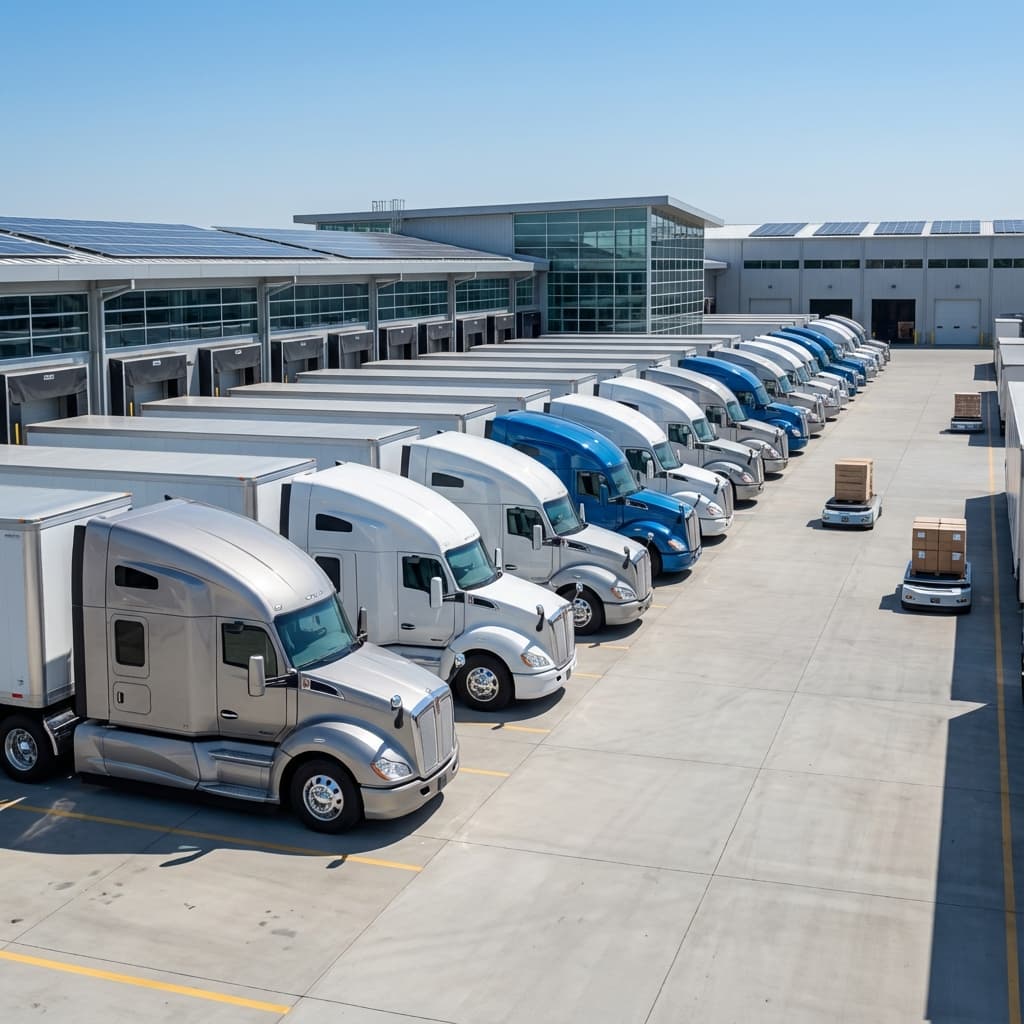
Beyond the Logbook: The New Era of Operational Intelligence
In the modern trucking landscape, the margin between a thriving fleet and a struggling one is thinner than ever. While many motor carriers focus solely on compliance and safety, the industry’s top performers are shifting their attention toward operational intelligence. By leveraging the vast amounts of data generated by telematics, Electronic Logging Devices (ELDs), and Transportation Management Systems (TMS), carriers can transform raw numbers into a roadmap for sustainable growth.
The Power of Predictive Maintenance
One of the most significant drains on a carrier’s bottom line is unscheduled downtime. When a truck is sidelined, it isn’t just a repair bill—it’s lost revenue, missed delivery windows, and potential damage to shipper relationships. Data-driven fleets utilize predictive maintenance protocols to stay ahead of the curve.
- Real-Time Fault Monitoring: Modern telematics can alert maintenance managers to engine codes the moment they trigger, allowing for minor repairs before they escalate into catastrophic failures.
- Component Lifecycle Tracking: By analyzing historical data across the fleet, carriers can predict when specific parts (like alternators or brake pads) are likely to fail and replace them during scheduled service intervals.
- Reduced Towing Expenses: Proactive repairs significantly decrease the frequency of roadside breakdowns, which are often the most expensive category of mechanical maintenance.
Routing Precision: Eliminating the Deadhead Mile
Fuel remains one of the largest variable costs for any motor carrier. While fuel surcharges provide some relief, true profitability is found in yield optimization and the elimination of empty miles. Advanced data analytics allow fleet managers to visualize their network density in real-time.
By integrating TMS data with market freight indices, carriers can identify 'backhaul deserts' and adjust their lane preferences accordingly. Operational efficiency isn't just about driving faster; it’s about ensuring that every mile driven contributes to the company's gross margin. High-efficiency carriers aim for a deadhead percentage of less than 10%, a feat only possible through rigorous data analysis and strategic load selection.
Driver Performance as a Growth KPI
In the business of trucking, your drivers are your most valuable operational asset. However, driver turnover is a silent profit killer. Data analytics can help carriers identify 'at-risk' drivers before they decide to leave. By monitoring patterns such as increased idle time, frequent HOS violations, or inconsistent fuel mileage, management can intervene with targeted coaching or support.
Furthermore, rewarding drivers based on operational KPIs—rather than just miles driven—creates a culture of ownership. Incentivizing fuel efficiency and on-time performance aligns the driver’s interests with the company’s financial health.
The Financial Upside: Data as an Insurance Asset
From an insurance perspective, a data-driven operation is a lower-risk operation. When a carrier can demonstrate to underwriters that they use data to manage maintenance, optimize routes, and monitor driver behavior, they position themselves as a 'preferred risk.'
At United Lanes Insurance, we see a direct correlation between high operational efficiency and lower loss ratios. Sophisticated data management doesn't just make your fleet more profitable on a day-to-day basis; it builds a historical record of excellence that can be leveraged during insurance renewals to secure more favorable terms and lower premiums.
Conclusion: The Path Forward
For the modern motor carrier, growth is no longer just about adding more trucks to the yard. It is about maximizing the output of every existing asset. By embracing data analytics, carriers can reduce overhead, improve driver retention, and create a resilient business model that thrives regardless of market volatility. The future of trucking isn't just in the engine—it's in the data.
Questions about
this topic?
Our specialists are ready to provide the personalized guidance you need for your specific situation.