The Integrated Tech Stack: Synchronizing TMS, ELD, and Accounting for Maximum Operational Throughput
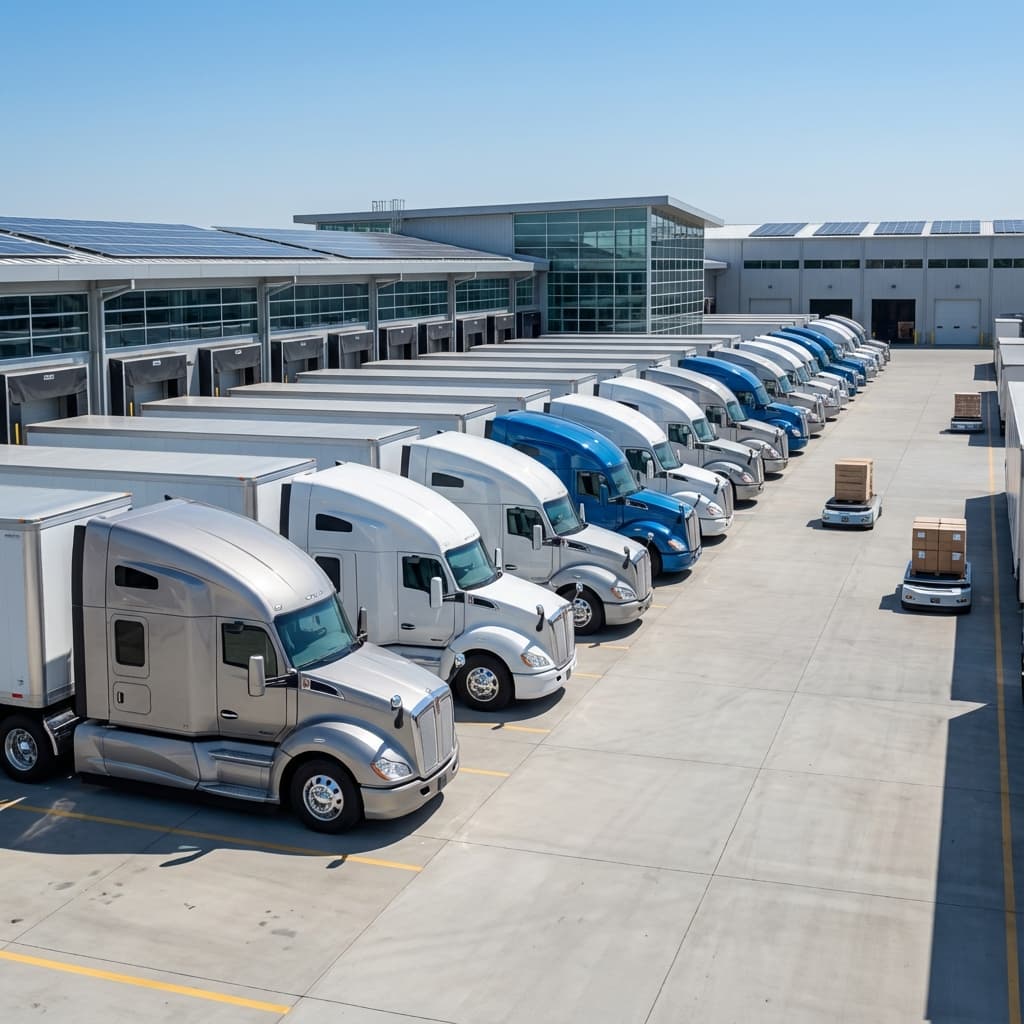
Beyond the Cab: The Digital Foundation of Modern Trucking
In the current freight environment, the difference between a high-margin motor carrier and one struggling to stay afloat often comes down to operational throughput. While driving remains the core of the business, the administrative and data-handling side of the operation has become the new frontier for competitive advantage. For fleet owners, the goal is no longer just moving loads—it is moving them with the least amount of friction and the highest level of data clarity.
Achieving this requires moving away from fragmented, siloed systems and toward an integrated tech stack. When your Transportation Management System (TMS), Electronic Logging Device (ELD), and accounting software communicate in real-time, you transform your business from a reactive entity into a proactive, data-driven machine.
The Power of the Unified Data Loop
Many carriers operate with 'disconnected data.' The dispatcher uses one tool, the driver uses another, and the back-office accountant uses a third. This creates manual data entry points—and where there is manual entry, there is error and delay. Integration closes this loop, offering several critical benefits:
- Real-Time Cost-Per-Mile (CPM) Analysis: By syncing fuel card data and ELD mileage directly into your accounting software, you can view your true CPM daily rather than waiting for end-of-month statements.
- Automated Dispatch and Settlement: An integrated TMS can automatically pull hours-of-service (HOS) data from the ELD to suggest the best driver for a load, then push that completed load data directly to billing once the digital BOL is signed.
- Reduced Administrative Overhead: Every hour your staff spends re-keying data is an hour not spent on business development or driver retention.
Optimizing Fleet Management Through Visibility
True operational efficiency relies on predictive management. When your tech stack is synchronized, you gain visibility into 'ghost costs'—the small inefficiencies that erode profit margins. For example, by integrating maintenance logs with your TMS, you can schedule preventative service during a driver’s mandatory reset, ensuring that equipment downtime never interferes with revenue-generating hours.
Furthermore, this level of visibility is a powerful tool for fleet growth. Lenders and investors are increasingly looking for carriers who can demonstrate a mastery of their operational data. A carrier that can produce detailed, accurate reports on lane profitability and equipment utilization at the touch of a button is a much more attractive candidate for expansion capital.
The Insurance and Risk Management Dividend
While this post focuses on operations, it is important to note that efficiency and risk management are two sides of the same coin. An integrated tech stack allows for proactive safety monitoring. When ELD data (like hard braking or speeding) is funneled into a central dashboard, management can intervene with training before an incident occurs. From an operational standpoint, this protects your most valuable assets—your drivers and your equipment—while keeping your loss runs clean and your business insurable at preferred rates.
Implementing the Stack: A Strategic Approach
Transitioning to an integrated model does not require a massive overnight overhaul. Small and mid-sized carriers can scale their technology alongside their fleet:
- Audit Your Current Tools: Identify which softwares offer open APIs (Application Programming Interfaces) that allow them to 'talk' to other programs.
- Prioritize the TMS: The TMS should serve as the 'brain' of your operation. Choose a platform that prioritizes integration with major ELD providers and accounting software like QuickBooks or Sage.
- Train for Adoption: Technology is only as effective as the people using it. Ensure your dispatchers and drivers understand how the integration makes their jobs easier, not harder.
By investing in a synchronized digital infrastructure, motor carriers can break free from the cycle of manual paperwork and move toward a future of scalable, sustainable growth.
Questions about
this topic?
Our specialists are ready to provide the personalized guidance you need for your specific situation.