The Infrastructure of Growth: Optimizing Back-Office Systems for Sustainable Fleet Growth
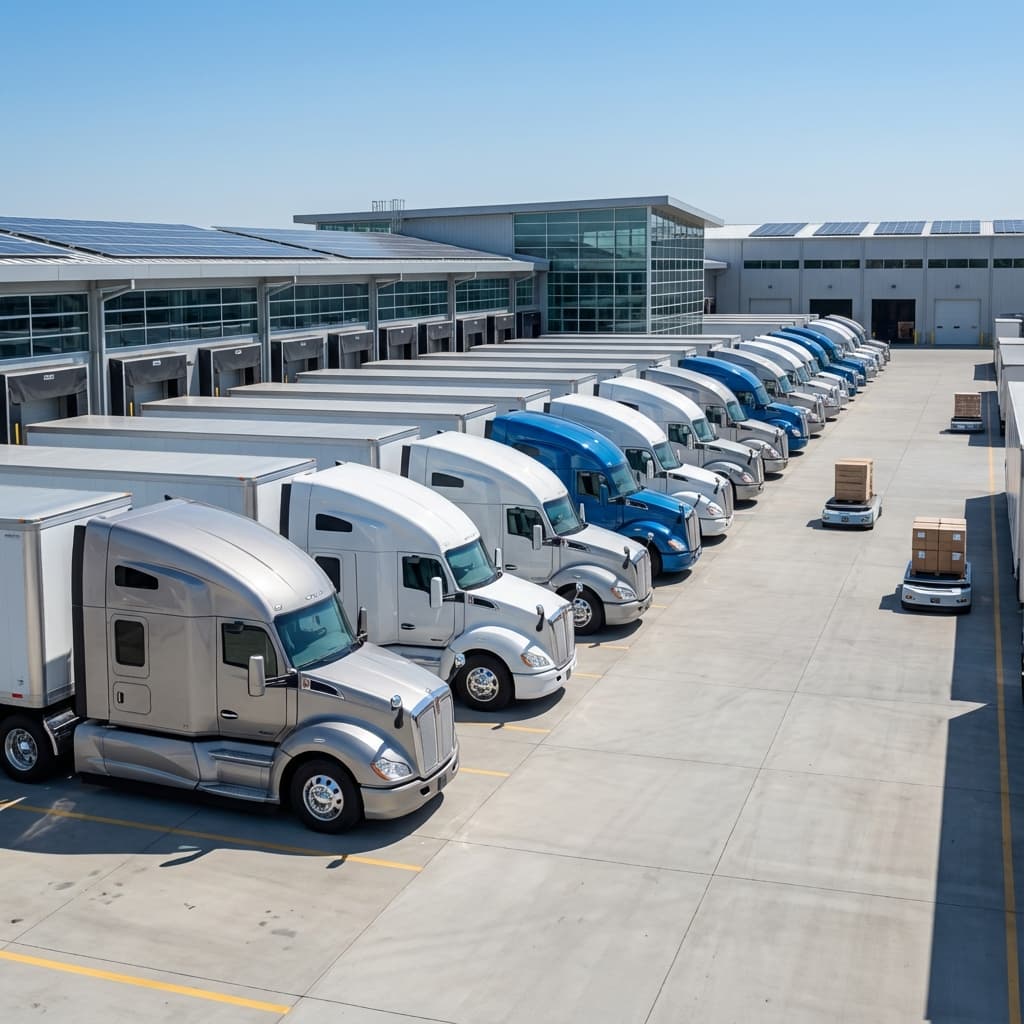
The Expansion Paradox: Why More Trucks Don’t Always Equal More Profit
For many motor carriers, the transition from a small family-owned operation to a mid-sized fleet is fraught with operational friction. While adding trucks increases gross revenue, it also exponentially increases the complexity of business operations. Without a robust back-office infrastructure, the costs of inefficiency—such as administrative bloat, missed maintenance intervals, and billing delays—can quickly erode the margins gained from expansion.
1. Centralizing Data through Integrated Transportation Management Systems (TMS)
As a fleet grows, managing operations via spreadsheets or whiteboards becomes a liability. A modern, integrated TMS is the backbone of any scalable motor carrier. Professional fleet management requires a single source of truth that links dispatch, billing, and compliance.
- Automated Billing: Reducing the 'days sales outstanding' (DSO) by automating invoice generation upon proof of delivery (POD) upload.
- Real-Time Visibility: Providing shippers with accurate tracking, which reduces the administrative burden of manual status updates.
- Document Management: Centralizing driver qualification files (DQFs) and maintenance records to ensure audit readiness at any moment.
2. Financial Resilience: Moving from Bookkeeping to Cash Flow Strategy
Operational efficiency is often a reflection of financial discipline. For carriers looking to grow, managing cash flow is more critical than simply tracking profit and loss. Growth requires capital—for fuel, insurance down payments, and payroll—long before the freight revenue hits the bank account.
Strategic Cash Flow Management involves diversifying revenue streams. Relying solely on the spot market provides high volatility. Established fleets maintain a healthy mix of contract freight (providing stability) and spot market opportunities (providing agility). Additionally, leveraging professional factoring services or establishing dedicated lines of credit ensures that the 'growth engine' never runs out of liquidity during a scaling phase.
3. Vendor Ecosystems: Scaling Through Strategic Partnerships
Large-scale motor carriers do not operate in a vacuum. To maximize operational efficiency, carriers must move from transactional relationships to strategic partnerships with vendors. This includes:
- Nationwide Maintenance Networks: Rather than relying on local shops, expanding fleets benefit from national accounts with service providers, ensuring consistent pricing and priority scheduling across all lanes.
- Fuel Procurement Strategies: Utilizing fuel cards that offer not just discounts, but detailed reporting and IFTA integration, drastically reducing the labor required for quarterly tax filings.
- Insurance Advisory: Partnering with specialists who understand the operational shift from a 'per-unit' model to 'mileage-based' or 'gross-revenue' reporting policies as the fleet reaches critical mass.
4. Human Capital Management: The Driver Lifecycle
In a growth phase, recruitment often takes center stage, but retention is the true driver of operational efficiency. The cost of seated a new driver—including background checks, drug testing, and orientation—can exceed several thousand dollars. A resilient back-office treats driver management as a lifecycle:
Investing in driver-facing technology, such as intuitive mobile apps for load management and communication, reduces frustration and improves the driver experience. Furthermore, implementing clear, performance-based incentive programs (focused on safety and fuel economy) aligns the driver’s goals with the company’s bottom line.
Conclusion: Building for the Long Haul
Sustainable growth is never accidental. It is the result of deliberate investments in technology, financial systems, and human capital. By optimizing the back-office before the fleet doubles in size, motor carriers can ensure that their expansion leads to increased profitability and long-term market resilience. At United Lanes Insurance, we see firsthand that the most successful carriers are those who treat their operational infrastructure with the same importance as their rolling stock.
Questions about
this topic?
Our specialists are ready to provide the personalized guidance you need for your specific situation.