The Incident Response Blueprint: How a Disciplined Post-Accident Protocol Protects Your Insurance Premiums
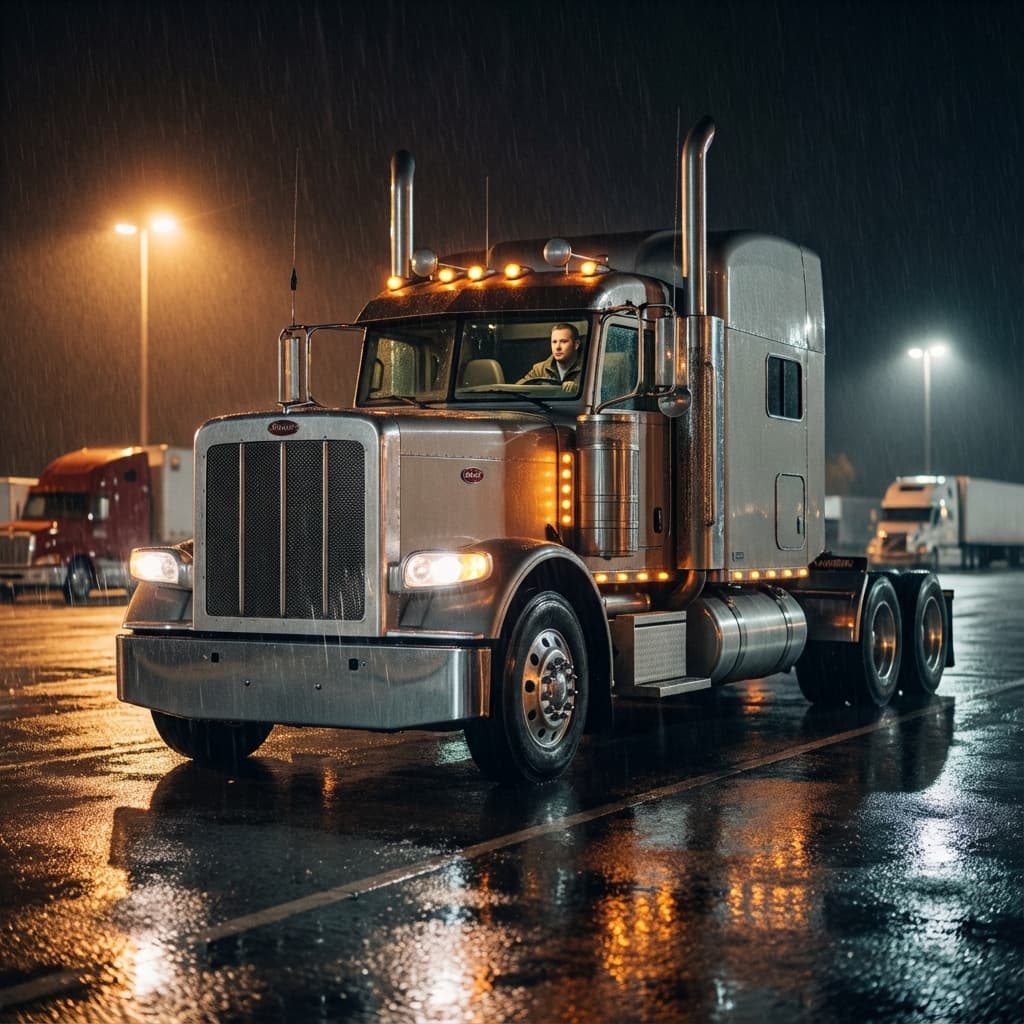
Turning Chaos into Coordination: The Criticality of Post-Accident Procedures
In the high-stakes world of commercial trucking, an accident is more than just a logistical setback; it is a significant threat to your company’s financial stability. The actions taken in the first sixty minutes following an incident—often referred to as the 'Golden Hour'—can determine whether a claim is settled fairly or becomes a multi-year legal battle that spikes your premiums. For motor carriers, having a disciplined incident response blueprint is the most effective way to mitigate risk and protect your insurance record.
Phase 1: Immediate On-Scene Crisis Management
The primary goal immediately following an accident is safety, but for insurance purposes, the secondary goal is documentation. A driver’s conduct at the scene can significantly influence the liability determination. Carriers should train their drivers to follow a strict protocol:
- Secure the Scene: Deploy emergency triangles and ensure the safety of all parties.
- Never Admit Fault: Drivers should be polite and cooperative with law enforcement but must refrain from making statements regarding liability or fault to third parties.
- Comprehensive Documentation: In the age of digital evidence, photos are paramount. Drivers should capture 360-degree views of all vehicles, skid marks, road conditions, and weather.
- Gather Third-Party Information: Beyond just the other driver’s insurance, gathering contact information from independent witnesses is often the key to successfully disputing a 'he-said, she-said' claim.
Phase 2: Navigating the Claims Workflow
Reporting a claim quickly is essential. Delayed reporting can lead to 'claim bloat,' where costs escalate because the insurer could not intervene early to manage repairs or legal defense. At United Lanes Insurance, we emphasize the importance of the First Notice of Loss (FNOL).
A well-managed claims process involves:
- Dashcam Integration: Telematics and video evidence are the strongest tools in a carrier's arsenal. Proving your driver was not at fault through video can close a claim before it even reaches a courtroom.
- Communication with the Adjuster: Provide your insurance adjuster with a complete packet including the driver’s logbook, maintenance records, and on-scene photos immediately.
- Managing Total Loss vs. Repair: Work closely with your physical damage coverage team to ensure equipment is appraised accurately and returned to the road as quickly as possible to minimize Business Interruption losses.
Phase 3: Mitigating the Impact on Your Insurance Record
Your Loss Run report is the primary document underwriters use to determine your future premiums. Even a non-at-fault accident can impact your profile if not managed correctly. To protect your record, carriers must focus on three key areas:
1. Subrogation Management
If the other party was at fault, your insurance company will attempt to recover the costs they paid out from the other driver’s insurer. Successful subrogation removes the 'paid loss' from your record, which is vital for keeping your loss ratio healthy.
2. Data Q Challenges
If a driver is cited at the scene, it impacts your FMCSA CSA scores. If that citation is later dismissed or reduced in court, you must file a DataQs challenge to have the incident removed or modified on your SMS profile. A clean CSA score is directly correlated with lower insurance rates.
3. Post-Incident Root Cause Analysis
Underwriters want to see that a carrier learns from their mistakes. Conducting a formal review of every incident—regardless of fault—and implementing corrective action (such as targeted driver coaching or equipment upgrades) demonstrates a culture of safety. This proactive approach can often offset the negative impact of a claim during your next renewal negotiation.
Ultimately, while accidents may be inevitable in the trucking industry, their long-term financial impact is not. By executing a professional incident response blueprint, your fleet can maintain its reputation as a low-risk carrier and keep your insurance costs under control.
Questions about
this topic?
Our specialists are ready to provide the personalized guidance you need for your specific situation.