The Growth Catalyst: Building a High-Performance Operational Infrastructure for the Mid-Size Carrier
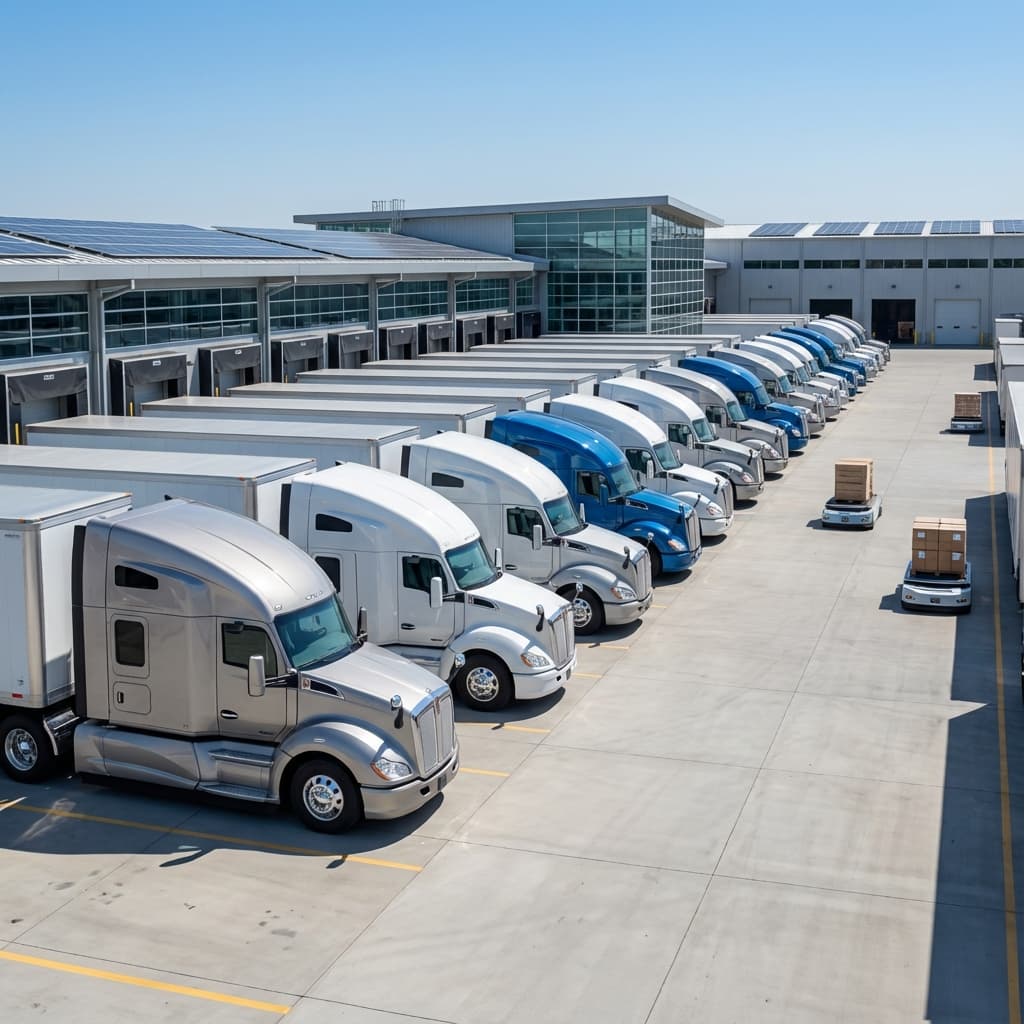
The Transition Challenge: Moving Beyond Reactive Management
In the trucking industry, there is a distinct difference between managing a fleet and building a scalable business. Many motor carriers reach a plateau where the hands-on management style that worked for five trucks becomes a bottleneck for twenty. To break through this 'messy middle,' carriers must shift from reactive firefighting to a structured, data-driven operational infrastructure. At United Lanes Insurance, we see a direct correlation between high-performance infrastructure and long-term financial stability.
1. Standardizing the Dispatch and Workflow Cadence
Operational efficiency begins with standardization. When a fleet grows, the reliance on verbal instructions and informal agreements creates gaps in service and compliance. Implementing a standardized dispatch workflow is essential.
- Pre-Trip Logic: Move beyond basic GPS. Incorporate weather patterns, fuel stop optimization, and safe-parking locations into the primary dispatch instruction.
- Exception-Based Management: Instead of monitoring every truck constantly, use software to flag only those that deviate from the planned route or schedule. This allows dispatchers to manage more units without sacrificing quality.
- Automated Check-Calls: Utilize ELD-integrated communication to automate status updates, reducing the cognitive load on drivers and office staff.
2. The TMS as the Central Nervous System
A Transportation Management System (TMS) is no longer a luxury for mid-size carriers; it is the foundational requirement for growth. A high-performance infrastructure uses the TMS to bridge the gap between the shop, the road, and the accounting office.
By integrating your TMS with your Electronic Logging Device (ELD) and maintenance software, you gain a 360-degree view of your cost-per-mile in real-time. This visibility allows for 'Yield Management'—the ability to identify which customers and lanes are truly profitable after factoring in deadhead, driver detention, and maintenance wear-and-tear.
3. Human Capital Infrastructure: Beyond the Driver Seat
Growth often fails because the 'back office' doesn't scale at the same rate as the 'front line.' To support a growing fleet, a carrier needs a specialized organizational structure:
The Compliance Lead
As the fleet grows, safety cannot be a part-time job for the owner. A dedicated compliance officer ensures that Driver Qualification (DQ) files, HOS monitoring, and drug-and-alcohol clearinghouse requirements are met with 100% accuracy, protecting the carrier's Safety Measurement System (SMS) scores.
The Strategic Dispatcher
The role shifts from 'finding loads' to 'managing flow.' A strategic dispatcher looks 48 to 72 hours ahead to ensure the fleet stays in high-yield corridors, minimizing the time spent in 'freight deserts.'
4. Strategic Vendor Procurement and Partnerships
Operational efficiency is also found in how you manage external costs. A mid-size carrier has the volume to negotiate better terms than an owner-operator, but often lacks the leverage of a mega-carrier. The solution lies in vendor consolidation.
Instead of using dozens of different repair shops or tire vendors, establish national accounts or preferred provider agreements. This not only lowers costs through volume discounts but also standardizes the quality of work performed on your equipment, leading to higher uptime and more predictable maintenance cycles.
5. The Insurance Dividend of Operational Excellence
From an insurance perspective, a well-structured operation is a lower-risk operation. When we analyze a carrier for renewal, we look for these operational markers. A company with a formal safety program, a robust TMS, and a standardized maintenance schedule is viewed as a 'preferred risk.' This structure doesn't just make the business run smoother; it directly impacts your bottom-line profitability by qualifying the fleet for more competitive premiums and higher-tier cargo contracts.
Conclusion: Scalability is a Choice
Building a high-performance operational infrastructure requires an investment in both technology and talent. However, the alternative—managing by chaos—is far more expensive in the long run. By focusing on standardization, data integration, and specialized human capital, motor carriers can transform from a collection of trucks into a resilient, scalable, and highly profitable enterprise.
Questions about
this topic?
Our specialists are ready to provide the personalized guidance you need for your specific situation.