Beyond the Standard: Mastering Hazmat Insurance Requirements and Environmental Restoration Coverage
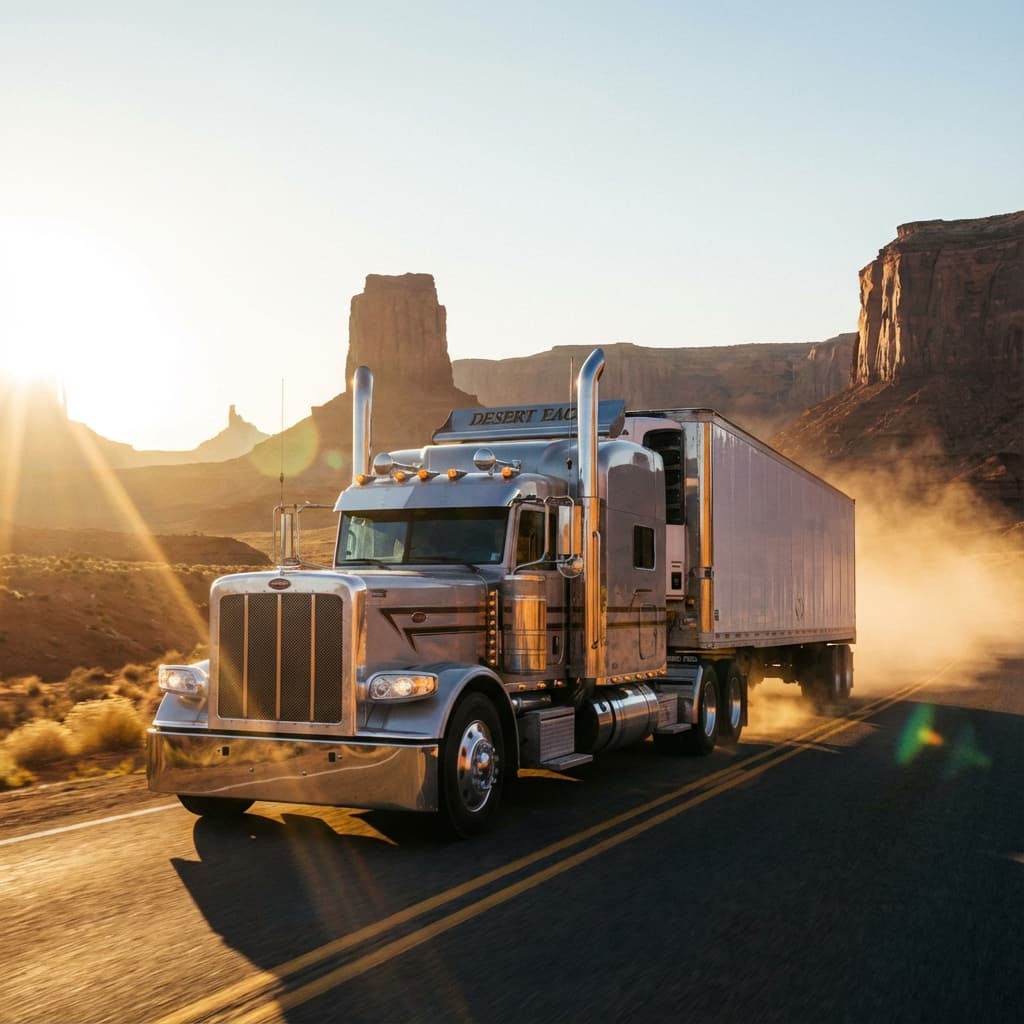
Navigating the High Stakes of Hazardous Materials Transportation
In the trucking industry, hauling hazardous materials (Hazmat) represents a lucrative but high-risk specialization. Beyond the specialized training and equipment required, the insurance regulatory landscape for Hazmat is significantly more complex than standard dry van or reefer operations. At United Lanes Insurance, we see many carriers struggle to differentiate between standard liability and the specific federal mandates required to stay compliant and operational.
Understanding the FMCSA Liability Thresholds
The Federal Motor Carrier Safety Administration (FMCSA) dictates specific financial responsibility minimums based on the type of cargo being transported. While a standard carrier might only need $750,000 in primary liability, Hazmat carriers often face much higher requirements:
- $1,000,000: For carriers transporting oil listed in 49 CFR 172.101, or certain hazardous waste/substances not included in the higher tier.
- $5,000,000: For carriers hauling high-risk materials in bulk, such as poisonous gases (Division 1.1, 1.2, 1.3), radioactive materials, or large quantities of explosives.
Failing to maintain these limits doesn't just result in fines; it can lead to an immediate out-of-service order and the revocation of your operating authority.
The Critical Distinction: Environmental Restoration vs. Clean-up
One of the most misunderstood aspects of Hazmat insurance is the difference between standard pollution clean-up and Environmental Restoration. In the context of the MCS-90 endorsement and federal regulations, environmental restoration is defined more broadly than most standard commercial auto policies.
What is Environmental Restoration?
It involves the restitution of any property or the environment that has been damaged by the discharge of hazardous substances. This includes the cost of removal, the cost of measures taken to minimize or mitigate damage to human health or the environment, and the costs of restoring the natural resources damaged.
Standard pollution endorsements often contain restrictive language regarding where and how a leak occurs. To be truly compliant, Hazmat carriers must ensure their policy includes the CA 99 48 endorsement (Broadened Coverage for Pollution Liability), which provides the necessary protection for the discharge of pollutants during transit, loading, and unloading.
Risk Management: Beyond the Policy
Insurance is your safety net, but proactive risk management is your first line of defense. For Hazmat operations, underwriters look for several key indicators of a well-run fleet:
- Specialized Driver Vetting: Carriers should implement rigorous screening that goes beyond a clean MVR, focusing on specialized Hazmat handling experience.
- Strict Maintenance Schedules: Equipment failure is a leading cause of spills. Documentation of preventive maintenance for valves, tanks, and seals is essential during insurance renewals.
- Emergency Response Planning: Having a pre-defined contract with a certified environmental remediation firm can not only lower your premiums but also drastically reduce the severity of a claim.
Staying Ahead of Regulatory Audits
During a New Entrant Safety Audit or a routine Compliance Review, the FMCSA will look closely at your insurance filings. They are not just checking for the existence of a policy, but verifying that the Form MCS-82 or Form BMC-91X has been correctly filed by your insurer to reflect the higher liability limits.
At United Lanes Insurance, we recommend conducting a quarterly review of your cargo mix. If you occasionally pick up a load that crosses into a higher hazard class, your standard coverage may be inadequate, leaving your entire business at risk. Ensuring your insurance matches your highest-risk load is the only way to guarantee continuous compliance.
Questions about
this topic?
Our specialists are ready to provide the personalized guidance you need for your specific situation.