The Growth Equilibrium: Balancing Lane Density and Customer Diversification for Scalable Operations
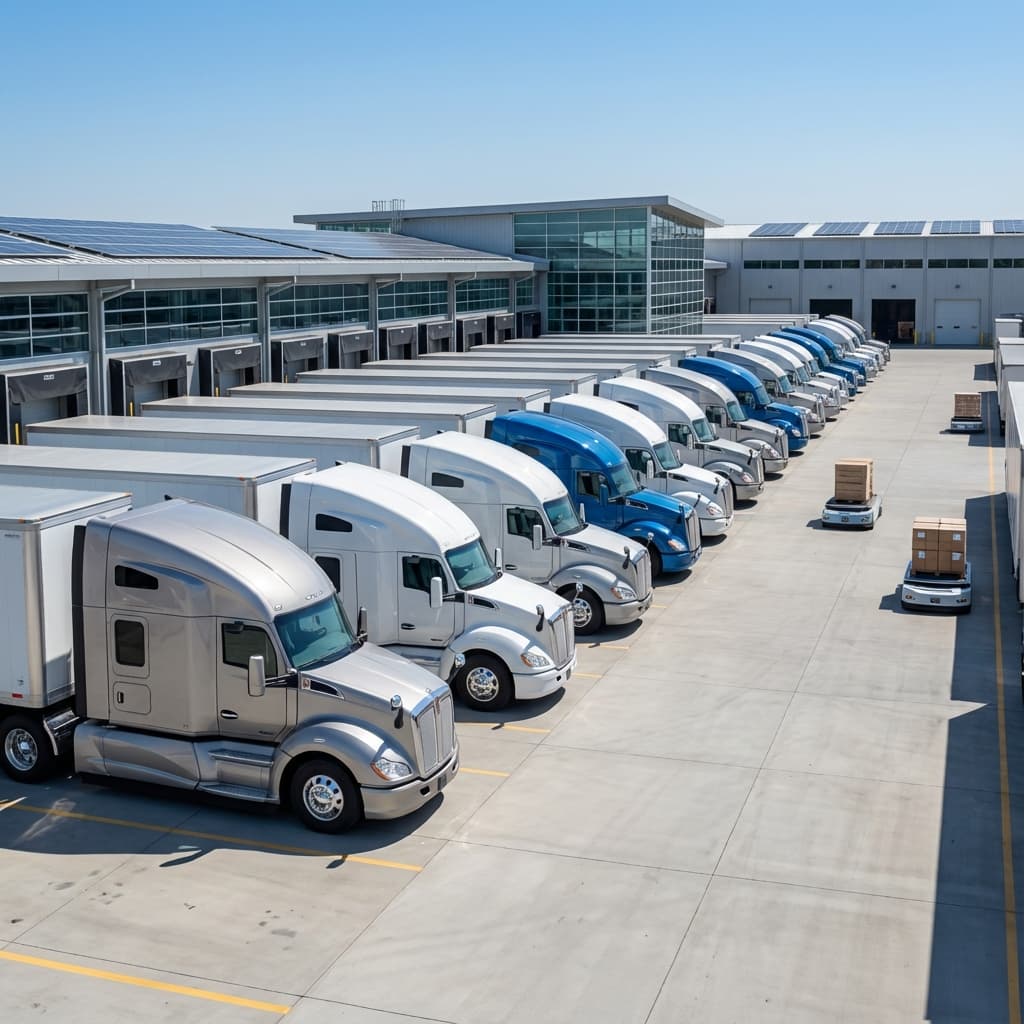
Scaling Beyond the First Dozen Units
For many motor carriers, the transition from a small fleet to a mid-sized operation is the most perilous phase of the business lifecycle. Scaling successfully requires more than just a capital expenditure plan for new trucks; it demands a sophisticated approach to operational equilibrium. This involves balancing the need for high-volume lane density with the security of a diversified customer base.
At United Lanes Insurance, we observe that the most resilient fleets—those that secure the best insurance rates and weather market downturns—are those that view their route structure as a financial portfolio rather than just a series of dispatches.
The Customer Concentration Trap
One of the greatest risks to a growing carrier is customer concentration. It is tempting to grow alongside a single large shipper or broker who provides consistent volume. However, if one entity accounts for more than 20-25% of your total revenue, your business is effectively a subsidiary of theirs without the safety net. A single contract cancellation or a shift in their procurement strategy can bankrupt a fleet overnight.
To build a sustainable operation, carriers must actively pursue a 'Rule of Four'—aiming to have at least four anchor customers who contribute roughly equal shares of revenue. This diversification not only protects cash flow but also makes your business far more attractive to lenders and insurance underwriters, who see lower financial volatility as a primary indicator of a low-risk operation.
Maximizing Profitability Through Lane Density
While diversification protects the top line, lane density protects the bottom line. Operational efficiency is won or lost in the 'deadhead' miles and the dwell time between loads. Scaling effectively means concentrating your sales efforts on specific geographic corridors rather than chasing high-paying spot loads in disparate directions.
- Regional Clustering: Focus on 'triangulating' your routes. Instead of simple out-and-back hauls, build three-legged routes that keep your drivers moving in a tight geographic circle, reducing the likelihood of uncompensated miles.
- Equipment Synchronization: Ensure your fleet's maintenance capabilities match your primary lanes. Operating in a tight radius allows for more frequent 'home-base' maintenance, reducing the need for expensive over-the-road emergency repairs.
- Driver Retention: High lane density often translates to predictable schedules. In an industry where driver turnover is a massive operational cost, providing a 'lifestyle' lane where drivers can be home weekly is a powerful growth strategy.
Operational Efficiency: The Data-Driven Approach
To achieve this equilibrium, carriers must transition from 'gut-feeling' management to data-driven decision-making. Professional motor carriers should track three critical KPIs to guide their growth:
1. Revenue Per Total Mile (RPTM)
Unlike Rate Per Loaded Mile, RPTM accounts for every turn of the wheel. If your loaded rate is $3.00 but your deadhead is 25%, your RPTM is only $2.25. Successful scaling focuses on raising the RPTM through better dispatching and lane selection.
2. Operating Ratio (OR)
Your OR is the most honest reflection of your efficiency. For every dollar earned, how much is kept? A fleet with a 92% OR is significantly healthier than a larger fleet with a 98% OR. Growth should never come at the expense of your operating margin.
3. The 'Impact' Cost of Downtime
Calculate the daily cost of a truck sitting idle. Between insurance premiums, permit costs, and equipment financing, a truck costs money even when it isn't moving. Scaling requires a recruitment pipeline that ensures 'seats are filled' before the equipment hits the yard.
The Insurance Perspective on Growth
From an insurance standpoint, growth must be measured. Rapid expansion—doubling a fleet size in a single year, for example—is often flagged as a risk by underwriters. They want to see that your safety management systems and operational oversight are scaling at the same rate as your VIN count. By maintaining a disciplined approach to lane density and customer diversity, you demonstrate the professional governance that earns preferred status in the insurance market.
Ultimately, the goal of a modern motor carrier is to build a machine that is both lean and resilient. By focusing on the equilibrium between where you go and who you work for, you transform your fleet from a group of trucks into a scalable, valuable enterprise.
Questions about
this topic?
Our specialists are ready to provide the personalized guidance you need for your specific situation.