The Growth Catalyst: Navigating the Operational Shift from Owner-Operator to Fleet Management
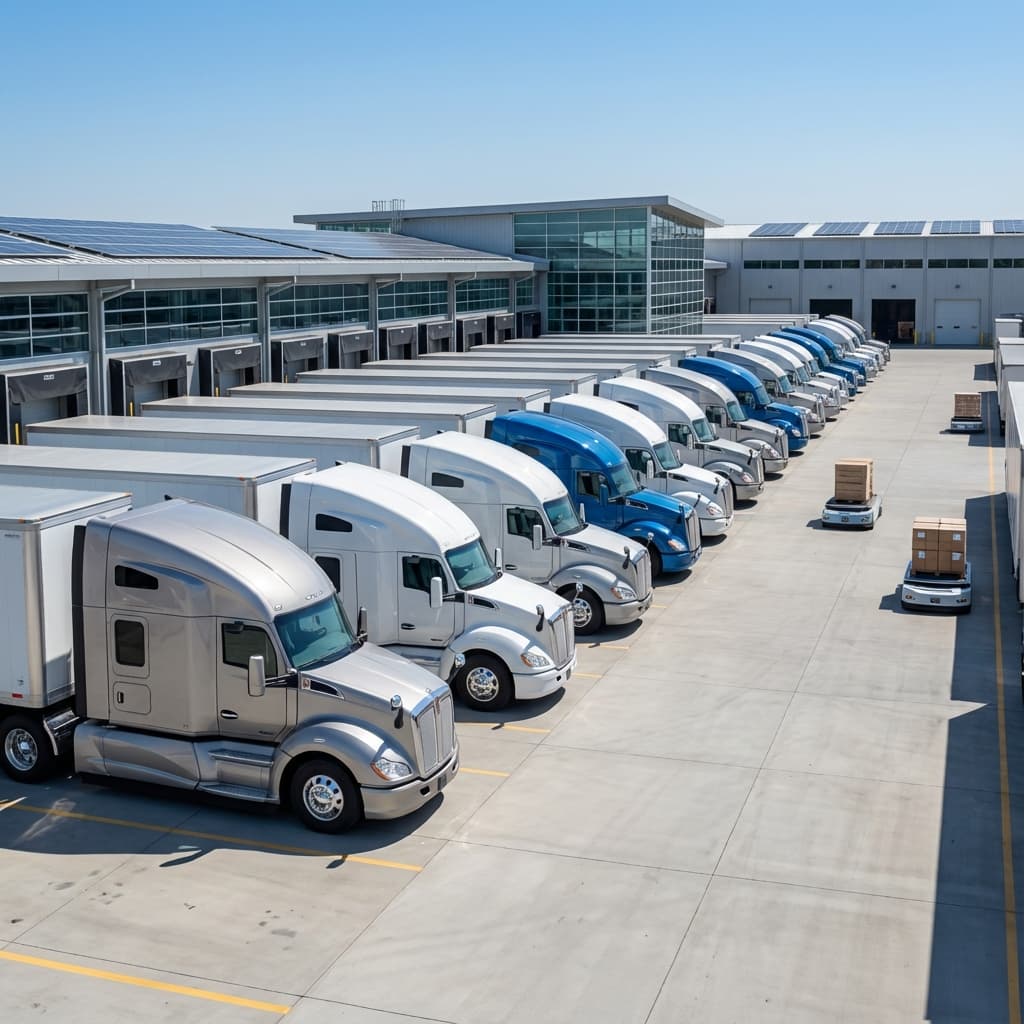
The Evolution of the Modern Carrier
For many in the trucking industry, the transition from being an owner-operator to managing a small fleet is the most significant hurdle in the business lifecycle. It is a shift from executing the work to managing the systems that execute the work. To successfully scale, a motor carrier must move beyond the 'hustle' and embrace institutionalized operational efficiency.
1. Infrastructure for Scalability: Beyond the Spreadsheet
When you operate one or two trucks, manual tracking might suffice. However, as you scale toward five, ten, or twenty units, the margin for error shrinks. Transitioning to a robust Transportation Management System (TMS) is no longer optional; it is the backbone of your growth.
- Automated Dispatch: Reduces deadhead miles and ensures drivers are maximized within their Hours of Service (HOS).
- Centralized Documentation: Simplifies IFTA reporting, maintenance logs, and driver qualification files.
- Real-Time Analytics: Allows you to identify which lanes are profitable and which are draining your resources.
2. Developing Standard Operating Procedures (SOPs)
Growth without documentation leads to chaos. High-performing fleets rely on Standard Operating Procedures to ensure consistency across the board. Whether it is a breakdown protocol, a pre-trip inspection routine, or a billing workflow, having a 'company way' of doing things protects your reputation and your bottom line.
Standardization also plays a critical role in safety and compliance. When every driver follows the same rigorous safety protocols, you create a predictable risk profile that is highly attractive to underwriters, eventually leading to more favorable insurance terms as your fleet grows.
3. The Human Capital Challenge: Driver Retention as a Growth Strategy
In a fleet environment, your drivers are your most valuable assets and your greatest liability. Scaling requires a shift in mindset regarding recruitment. You are no longer just looking for someone with a CDL; you are looking for a professional who aligns with your company culture.
To maintain operational efficiency, focus on retention over recruitment. The cost of replacing a driver—considering downtime, recruiting fees, and onboarding—can exceed $8,000 per occurrence. Implementing performance-based incentives and maintaining open lines of communication can significantly reduce turnover rates.
4. Financial Resilience and Cash Flow Management
Growth consumes cash. Expanding your fleet means higher fuel bills, increased maintenance costs, and larger payrolls—often weeks before you receive payment for the freight delivered. Managing the Cash Conversion Cycle is vital.
- Factoring vs. Lines of Credit: Understand the cost of capital. While factoring provides immediate liquidity, a traditional line of credit may offer lower long-term costs as your business matures.
- Preventative Maintenance Funds: Establish a dedicated reserve for each power unit to avoid operational paralysis when a major repair is needed.
5. Strategic Fleet Diversification
As you grow, relying on a single broker or a single type of freight can be risky. Operational efficiency is often found in diversification. By mixing contract freight with spot market opportunities and potentially diversifying equipment types (e.g., adding refrigerated units to a dry van fleet), you can protect your revenue streams against sector-specific downturns.
Conclusion: The Path to Institutional Success
Scaling a trucking business is not merely about adding more assets; it is about building a resilient operational framework. By investing in technology, standardizing processes, and focusing on driver retention, motor carriers can successfully navigate the transition from a small operation to a dominant market player. Professionalism in operations is the ultimate catalyst for sustainable growth in the modern freight landscape.
Questions about
this topic?
Our specialists are ready to provide the personalized guidance you need for your specific situation.