The Asset Management Blueprint: Optimizing Fleet Replacement Cycles for Long-Term Profitability
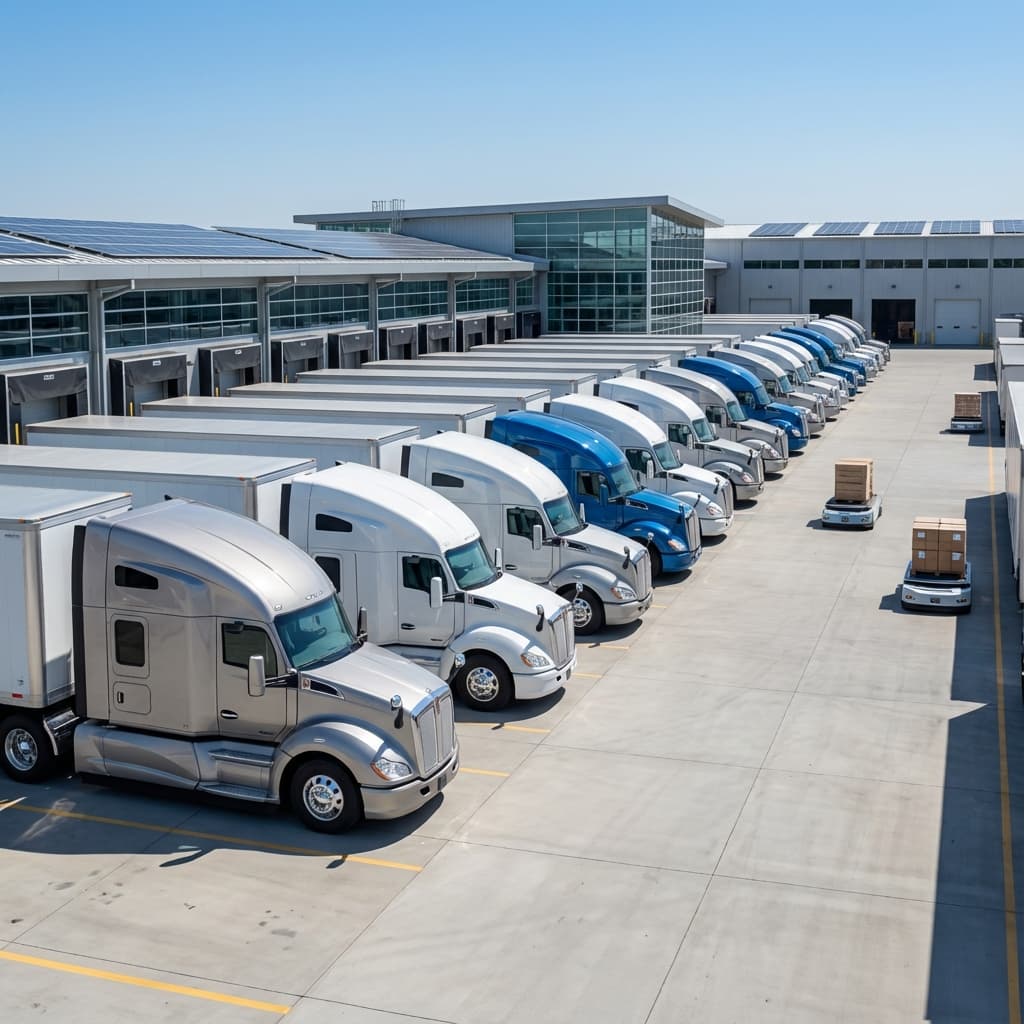
Mastering the Balancing Act of Fleet Modernization
In the high-stakes world of motor carrier operations, your fleet is both your greatest asset and your most significant liability. For many carriers, the dilemma remains constant: Is it more profitable to run equipment until the end of its mechanical life, or to rotate assets frequently to maintain a modern fleet? At United Lanes Insurance, we see the operational data daily—and the most successful carriers are those that treat fleet replacement not as a repair strategy, but as a financial strategy.
The True Cost of Ownership (TCO)
Operational efficiency begins with understanding that the price of a truck is only a fraction of its total cost. A comprehensive Total Cost of Ownership (TCO) analysis includes fuel consumption, maintenance, repair downtime, driver retention rates, and insurance premiums. As a truck ages, the intersection of declining resale value and rising maintenance costs creates a 'pivot point' where the asset begins to drain profitability rather than generate it.
Identifying the Replacement 'Sweet Spot'
For most Class 8 long-haul operations, the optimal replacement cycle typically falls between 400,000 and 500,000 miles, or roughly four to five years. While the capital expenditure of a new unit is significant, the operational benefits often outweigh the debt service:
- Reduced Maintenance Escalation: Beyond the 500k-mile mark, major component failures (engines, transmissions, after-treatment systems) become statistically probable, leading to unpredictable 'down days' that disrupt shipping schedules.
- Fuel Efficiency Gains: Newer models often see a 2-4% improvement in MPG due to aerodynamic refinements and drivetrain optimization. Over 100,000 miles a year, these savings are substantial.
- Driver Retention and Recruitment: In a tight labor market, providing late-model equipment with modern comfort and safety features is one of the strongest non-monetary incentives for high-quality drivers.
The Tax Advantage: Section 179 and Accelerated Depreciation
Smart operational growth leverages the tax code. Strategic fleet replacement allows motor carriers to utilize Section 179 deductions and bonus depreciation. By timing asset purchases at the end of high-revenue years, carriers can significantly reduce their taxable income while lowering the average age of their fleet, effectively using 'tax dollars' to fund modernization.
The Operational Ripple Effect: Insurance and Safety
From an insurance perspective, a modern fleet is a lower-risk fleet. Newer trucks come standard with Advanced Driver Assistance Systems (ADAS), such as collision mitigation, lane departure warnings, and automatic emergency braking. These technologies don't just prevent accidents; they provide the data needed to defend your carrier in the event of a claim.
Furthermore, a younger fleet typically results in better CSA (Compliance, Safety, Accountability) scores. Older equipment is more prone to roadside inspection violations related to lighting, brakes, and leaks. By keeping your fleet current, you reduce the frequency of 'maintenance-related' points on your carrier profile, which directly impacts your ability to secure preferred insurance tiers and premium freight contracts.
Developing Your Strategy
To optimize your business operations, we recommend the following steps:
- Audit Your Data: Track the 'cost per mile' for every unit in your fleet. When the maintenance cost per mile exceeds the monthly payment of a new unit, it's time to trade.
- Establish Vendor Relationships: Work with OEMs and dealerships to secure favorable trade-in terms and guaranteed buy-back programs.
- Monitor Resale Markets: The used truck market fluctuates. Selling your assets when secondary demand is high can provide the necessary capital to scale your fleet without over-leveraging.
By shifting from a reactive 'fix-it-when-it-breaks' mindset to a proactive asset management cycle, motor carriers can stabilize their cash flow, protect their safety ratings, and build a scalable foundation for future growth.
Questions about
this topic?
Our specialists are ready to provide the personalized guidance you need for your specific situation.