The Financial Perimeter: Optimizing the Shield Between Primary Liability and Non-Trucking Coverage
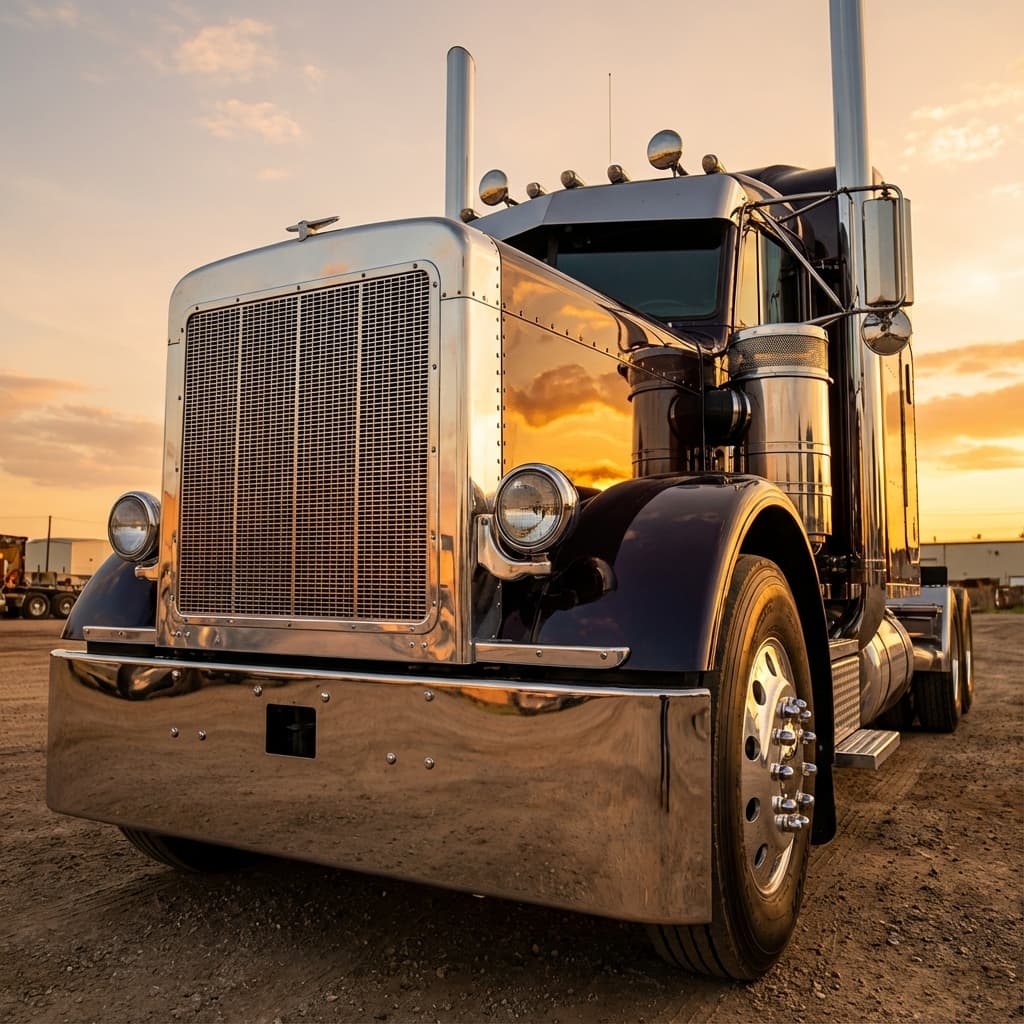
Establishing the Foundation of Motor Carrier Security
In the heavy-duty trucking industry, insurance is often viewed as a mandatory regulatory hurdle. However, for the professional motor carrier, insurance is more than a compliance document; it is the Financial Perimeter that protects your business from the volatility of the road. Navigating the nuances between Primary Liability, Non-Trucking Liability, and Asset Protection requires a strategic understanding of when and how these coverages activate.
Primary Liability: The Non-Negotiable Core
Primary Liability insurance is the bedrock of your operation. Mandated by the FMCSA under the UIIA and Form BMC-91X requirements, this coverage protects the public from bodily injury and property damage caused by your equipment while under dispatch. For most interstate haulers, the standard minimum is $750,000, though many shippers and brokers now require a $1,000,000 limit to qualify for high-quality freight.
Expert Insight: Primary Liability follows the truck whenever it is being used for business purposes. This includes the transit to pick up a load, the delivery of that load, and the search for the next haul. It is the most significant portion of your premium because it represents the highest risk exposure.
Decoding the Gap: Non-Trucking Liability (NTL) vs. Bobtail
One of the most common points of confusion for owner-operators and small fleets is the distinction between Non-Trucking Liability (NTL) and Bobtail Insurance. These coverages are designed to provide protection when the truck is not operating under the authority of a motor carrier lease.
- Non-Trucking Liability (NTL): This applies specifically when the tractor is used for personal, non-business purposes. Examples include driving the truck to a grocery store or a repair shop while off-duty. NTL does not cover any activity that could be construed as generating revenue.
- Bobtail Insurance: This is a broader (and often more expensive) coverage that protects the tractor when it is being driven without a trailer attached, regardless of whether it is for business or personal use.
Choosing the wrong one can lead to a "coverage gap" where neither the motor carrier's primary policy nor your secondary policy will pay a claim. At United Lanes, we recommend a thorough review of your lease agreement to determine exactly where your liability ends and your personal responsibility begins.
Motor Truck Cargo: Protecting the Revenue Stream
While liability covers the damage you do to others, Motor Truck Cargo insurance protects the cargo you are paid to transport. In the eyes of a shipper, your cargo policy is a reflection of your reliability. A standard $100,000 limit is common, but specialized haulers—such as those moving electronics, pharmaceuticals, or temperature-controlled goods—often require significantly higher limits.
Critical Exclusions to Monitor:
- Reefer Breakdown: Ensure your policy includes a rider for mechanical failure of the cooling unit if you haul perishables.
- Targeted Commodities: Many policies exclude high-theft items like alcohol, tobacco, or high-end electronics unless specifically endorsed.
- Earned Freight: Look for policies that reimburse you for the freight charges you lose when a load is damaged in transit.
Physical Damage: Safeguarding the Capital Investment
For most carriers, the truck itself is the largest capital investment. Physical Damage coverage protects your equipment against collision, fire, theft, and vandalism. Unlike liability insurance, this is not mandated by federal law, but it is almost always required by lienholders and finance companies.
Strategic Tip: Pay close attention to the Stated Amount vs. Actual Cash Value (ACV). In a volatile used-truck market, your equipment may be worth more than the figure listed on your policy. Regularly updating your 'Stated Value' ensures that in the event of a total loss, your payout is sufficient to replace the equipment and keep your business operational.
Constructing a Cohesive Policy
The goal of a well-structured insurance portfolio is to eliminate gaps where your business could be vulnerable. By aligning your Primary Liability with the correct NTL or Bobtail riders, and reinforcing your assets with robust Cargo and Physical Damage limits, you create a Financial Perimeter that allows you to focus on growth rather than risk. At United Lanes Insurance, we specialize in identifying these nuances to ensure your fleet is protected at every mile.
Questions about
this topic?
Our specialists are ready to provide the personalized guidance you need for your specific situation.