The Equipment Lifecycle Equation: Balancing Fleet Modernization with Operational Liquidity
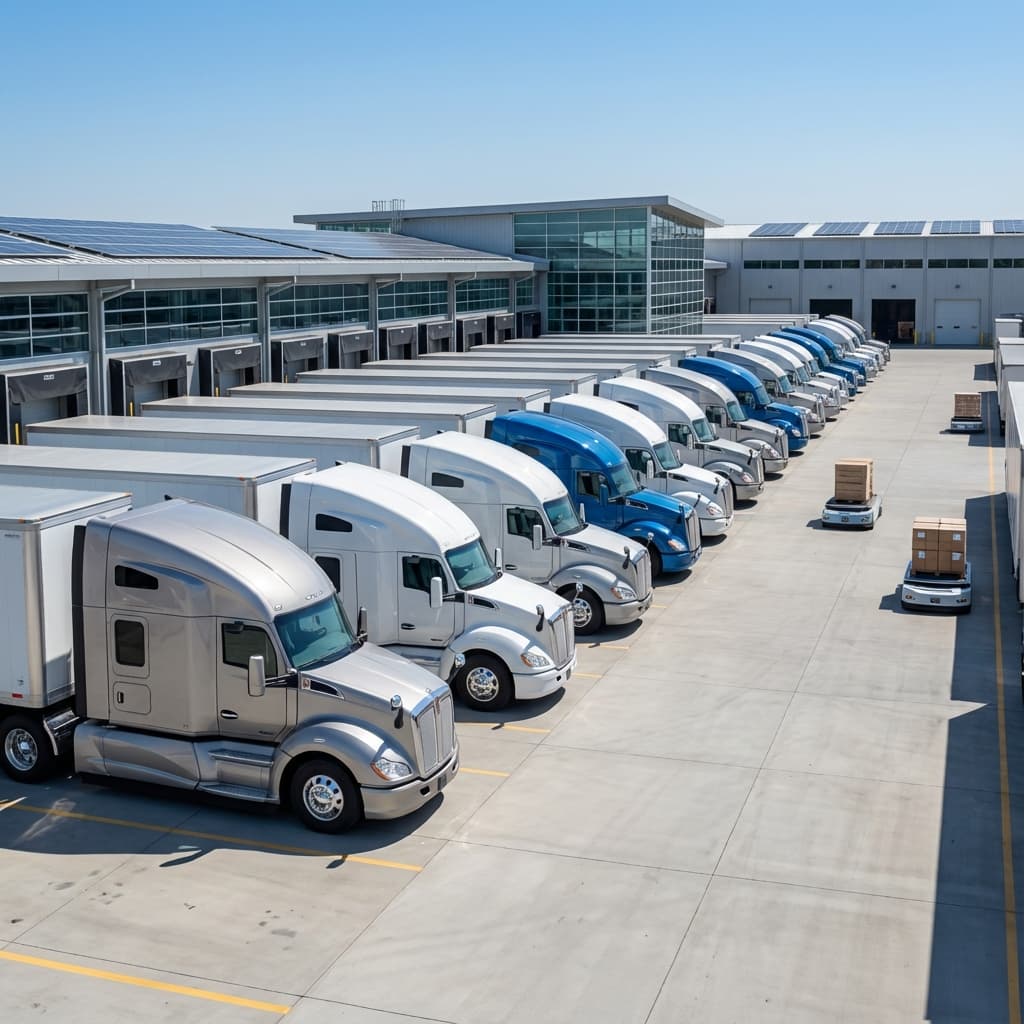
Mastering the Asset Replacement Cycle
For motor carriers, the truck is more than just a vehicle; it is a revenue-generating asset with a finite peak-performance window. One of the most critical decisions a fleet executive faces is determining the exact moment an aging tractor shifts from a reliable workhorse to a liability that drains operational liquidity. At United Lanes Insurance, we observe that the most successful carriers don't replace equipment based on gut feeling, but rather on a rigorous Total Cost of Ownership (TCO) analysis.
The Total Cost of Ownership (TCO) Paradigm
Operational efficiency is often found in the margins. To truly understand your fleet's health, you must look beyond the monthly lease or loan payment. A comprehensive TCO calculation includes:
- Maintenance and Repair (M&R) Escalation: As trucks move past the 400,000-mile mark, the frequency of non-scheduled repairs typically spikes, leading to costly roadside assistance calls and prolonged downtime.
- Fuel Economy Gains: Modern engines and aerodynamic improvements in newer models can offer significant fuel savings, often offsetting a portion of the higher payment on a new unit.
- Driver Retention: In a competitive labor market, late-model equipment is a powerful recruiting and retention tool. Drivers prefer trucks with modern creature comforts and reliable uptime.
- Opportunity Cost: The revenue lost every day a truck sits in a shop is frequently the most overlooked expense in fleet management.
The 'Sweet Spot' for Fleet Replacement
While every operation differs, the industry 'sweet spot' for tractor replacement generally falls between 450,000 and 550,000 miles, or roughly five years for long-haul operations. Replacing equipment during this window typically allows the carrier to capture a higher resale or trade-in value while avoiding the 'major component failure' stage, such as engine overhauls or after-treatment system collapses.
By rotating equipment systematically, carriers can maintain a predictable capital expenditure (CapEx) budget, avoiding the financial shock of having to replace a large portion of the fleet simultaneously during an economic downturn.
The Insurance and Safety Correlation
From an underwriting perspective, the age and technology of your fleet directly impact your risk profile. Newer trucks are equipped with advanced driver-assistance systems (ADAS), such as collision mitigation, lane departure warnings, and adaptive cruise control. These technologies significantly reduce the frequency and severity of accidents, which is a primary driver of insurance premiums.
Furthermore, newer equipment generally performs better during Level I North American Standard Inspections. A fleet with fewer mechanical violations maintains a stronger CSA (Compliance, Safety, Accountability) score, which not only lowers insurance costs but also makes the carrier more attractive to high-paying shippers who vet their partners based on safety data.
Managing Liquidity in Volatile Markets
Aggressive fleet modernization requires careful cash flow management. Motor carriers should explore various financing structures to preserve liquidity:
- TRAC Leases: Terminal Rental Adjustment Clause (TRAC) leases offer lower monthly payments and potential tax benefits while providing the carrier with the option to purchase the equipment at the end of the term.
- Operating Leases: These keep the debt off the balance sheet, which can improve debt-to-equity ratios and provide more flexibility for future borrowing.
- Preventative Maintenance (PM) Programs: Regardless of fleet age, a rigorous, data-driven PM program is the best way to extend the life of an asset and ensure it fetches top dollar when it is finally time to trade.
Conclusion: Strategy Over Reaction
Operational excellence in trucking requires shifting from a reactive mindset to a proactive strategy. By viewing equipment as a tool with a calculated lifecycle, carriers can stabilize their operating costs, enhance driver satisfaction, and position themselves as low-risk partners in the eyes of insurers and shippers alike. The goal is not just to have the newest fleet, but to have the most economically efficient fleet for your specific lane and cargo type.
Questions about
this topic?
Our specialists are ready to provide the personalized guidance you need for your specific situation.