The Efficiency Frontier: Mastering Asset Utilization and Workforce Stability for Fleet Expansion
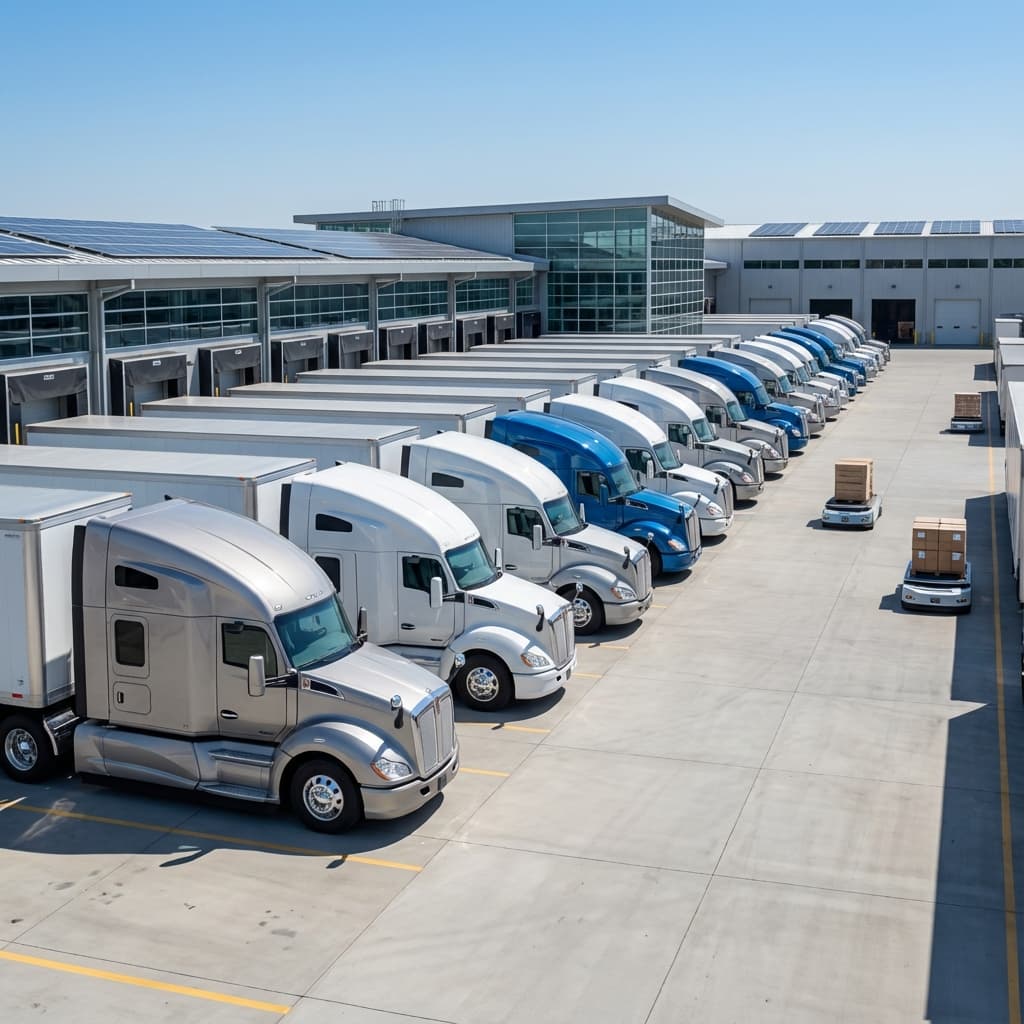
Beyond the Load: The Science of Operational Precision
For many motor carriers, the transition from a small operation to a medium-sized fleet is often met with a frustrating plateau in profitability. While gross revenue increases, the overhead associated with additional assets and personnel can erode margins if not managed with surgical precision. To break through this ceiling, carriers must move beyond 'finding the next load' and focus on the Efficiency Frontier—the point where asset utilization and operational costs are perfectly balanced to maximize ROI.
The Deadhead Dilemma: Optimizing Asset Utilization
Every mile driven empty is a double-ended loss: it consumes fuel and labor while yielding zero revenue. Top-tier carriers maintain a deadhead percentage of less than 10%, whereas struggling operations often see figures climb toward 20%. Mastering asset utilization requires a two-pronged approach:
- Triangulation Strategies: Instead of simple backhauls, sophisticated dispatchers use 'triangulation' to create continuous loops that minimize empty miles, even if it means taking a slightly lower-paying load to position the truck for a high-value lane.
- Dynamic Routing and Weather Integration: Operational efficiency is often sabotaged by external factors. Integrating real-time weather and traffic data into dispatch software allows for proactive rerouting, preventing idling and hours-of-service (HOS) waste.
The Maintenance-Insurance Nexus
From a business operations perspective, maintenance is not just a repair cost—it is a risk management tool. A rigorous Preventive Maintenance (PM) schedule does more than prevent roadside breakdowns; it directly influences your insurance profile. Carriers that can demonstrate a history of proactive mechanical upkeep are viewed more favorably by underwriters, especially as vehicles age.
Implementing a digital maintenance management system ensures that no oil change, brake inspection, or tire rotation is missed. This data-driven approach allows for 'predictive maintenance,' where components are replaced just before failure, significantly reducing the high cost of emergency repairs and the operational disruption of unscheduled downtime.
The Economics of Driver Retention
In the trucking industry, the cost of driver turnover is often underestimated. Between recruiting, onboarding, training, and the lost revenue of an unseated truck, the cost to replace a single driver can exceed $12,000. For a growing fleet, high turnover is a silent killer of operational efficiency.
Creating a 'Driver-First' Operational Culture
- Predictable Home Time: Operations that prioritize consistent home time see higher retention rates. Efficiency in routing should serve the driver’s schedule, not just the cargo’s deadline.
- Equipment Quality: Providing drivers with well-maintained, modern equipment reduces frustration and demonstrates a commitment to their safety and comfort.
- Transparent Compensation: Moving beyond simple per-mile pay to include performance bonuses for fuel efficiency, safety milestones, and longevity creates a partnership between the carrier and the driver.
Leveraging Telematics for Operational ROI
While often viewed through the lens of compliance and ELD mandates, telematics is primarily a business intelligence tool. Expert carriers use telematics data to identify excessive idling, which can account for thousands of dollars in wasted fuel per truck annually. Furthermore, monitoring harsh braking and rapid acceleration provides actionable insights into driver behavior that, when corrected, reduces wear and tear on the vehicle and improves the fleet's overall safety score.
Strategic Growth: Knowing When to Scale
Operational efficiency provides the data necessary to make informed capital expenditure decisions. Before adding new power units, analyze your current fleet’s 'Revenue Per Power Unit' (RPPU). If your RPPU is declining while your fleet size remains static, it indicates operational inefficiencies that must be solved before further expansion. Scaling an inefficient model only scales the losses; mastering the Efficiency Frontier ensures that every new truck added to the fleet is a pre-calculated engine for profit.
Questions about
this topic?
Our specialists are ready to provide the personalized guidance you need for your specific situation.