The Efficiency Engine: Mastering Total Cost of Ownership (TCO) for Sustainable Fleet Growth
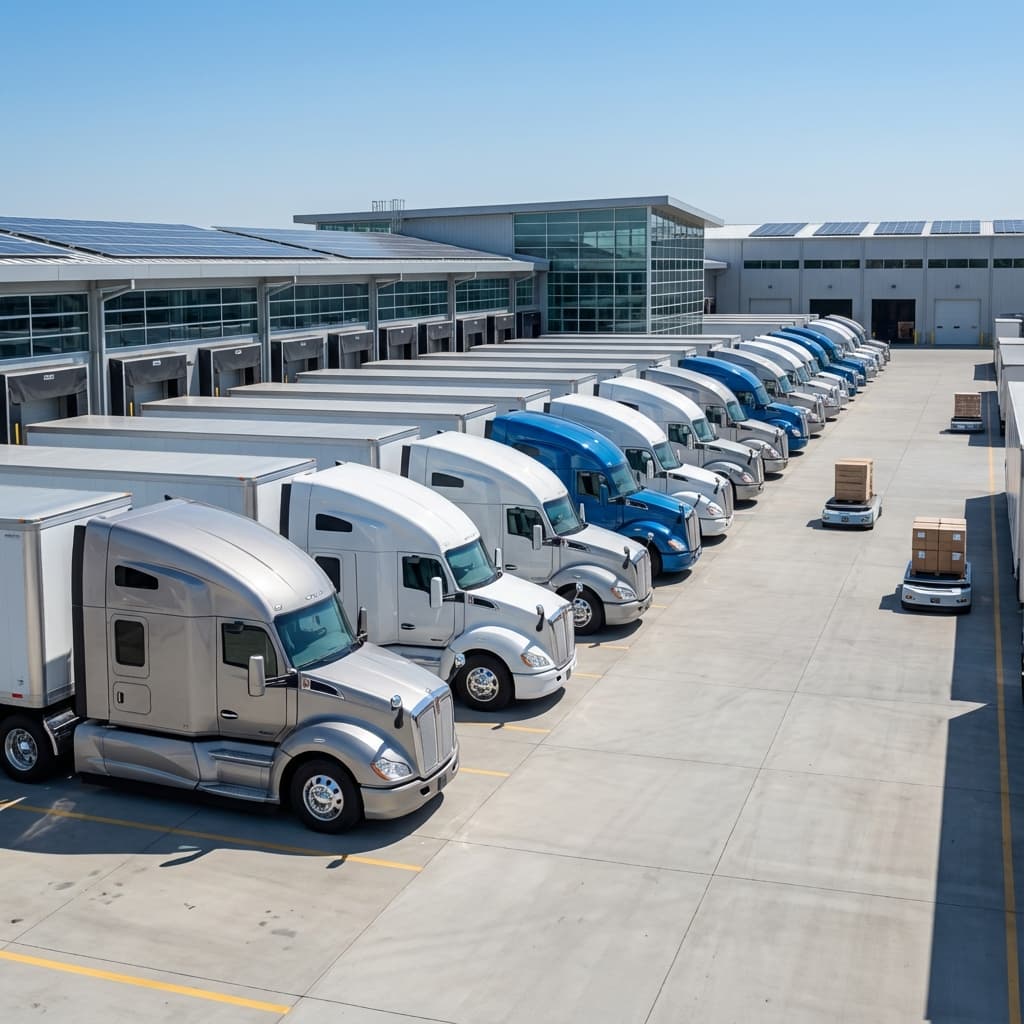
Beyond the Per-Mile Rate: The Reality of Fleet Economics
In the high-stakes world of logistics, many motor carriers focus exclusively on gross revenue and per-mile rates. However, at United Lanes Insurance, we observe that the most resilient and profitable carriers are those that shift their focus inward toward Total Cost of Ownership (TCO). Understanding TCO is the difference between simply keeping the lights on and building a scalable, high-valuation enterprise.
TCO encompasses every expense associated with an asset from procurement to disposal. For a trucking company, this includes the obvious—fuel, insurance, and financing—but also the insidious costs of downtime, administrative overhead, and depreciation. Mastering these variables is essential for maintaining healthy margins in a volatile market.
The Strategic Lifecycle: Knowing When to Rotate Equipment
One of the most critical business operations decisions a carrier faces is the equipment replacement cycle. Holding onto a tractor for too long can lead to a 'maintenance debt' where repair costs and downtime exceed the cost of a new lease or loan payment.
- The Sweet Spot: Typically, the optimal trade-in window is between 400,000 and 500,000 miles. At this stage, the truck still retains significant resale value, and major component failures (engines, after-treatment systems) are less frequent.
- Downtime Calculus: A truck sitting in a shop isn't just costing you repair bills; it's costing you missed revenue and potential driver turnover. High-performing fleets factor in a 'lost opportunity cost' of roughly $800 to $1,200 per day per downed unit.
Preventative Maintenance as a Profit Center
Operational efficiency is often won or lost in the shop. Moving from a reactive maintenance model (fixing things when they break) to a predictive maintenance model is a hallmark of elite fleet management. By leveraging telematics data, carriers can identify fault codes before they result in a roadside derate.
Strict maintenance protocols do more than just prevent breakdowns; they safeguard your insurance profile. Clean Level I inspections—aided by well-maintained equipment—keep your CSA scores low, which directly influences your primary liability premiums. In this way, a well-greased fifth wheel and calibrated brakes are financial instruments that protect your bottom line.
Spec’ing for Success: Data-Driven Procurement
Fleet management begins before the truck ever hits the road. Procurement should be driven by lane-specific data rather than habit. For example, if your primary routes are in the mountainous West, spec’ing higher-horsepower engines with integrated braking systems may reduce wear on service brakes and improve driver retention, despite a higher upfront cost.
Key Considerations for Fleet Specs:
- Aerodynamics: Investing in fairings and wheel covers can provide a 2-4% fuel economy boost, which translates to thousands of dollars in savings over the life of the asset.
- Safety Technology: Adaptive cruise control and lane-departure warnings are no longer just 'extras.' They are essential tools for reducing accident frequency and are highly looked upon by underwriters during the renewal process.
The Human Element: Retention as an Operational Strategy
You cannot talk about business operations in trucking without addressing the cost of driver turnover. Estimates suggest that replacing a single driver costs a carrier between $5,000 and $15,000 when accounting for recruiting, onboarding, and idle equipment. Efficiency-minded carriers treat driver retention as a core operational KPI, ensuring that equipment is comfortable, well-maintained, and that dispatching software optimizes 'home time' alongside 'uptime.'
Conclusion: Building a Resilient Operation
Mastering the business side of trucking requires a holistic view of every dollar spent. By optimizing your TCO, staying ahead of maintenance, and spec’ing equipment for your specific operational needs, you create a business that is not only more profitable but also more attractive to insurers and potential investors alike. At United Lanes Insurance, we are committed to helping you navigate these complexities, providing the coverage and insights necessary to fuel your long-term growth.
Questions about
this topic?
Our specialists are ready to provide the personalized guidance you need for your specific situation.