The Efficiency Engine: Leveraging Operational Data to Optimize Fleet Profitability
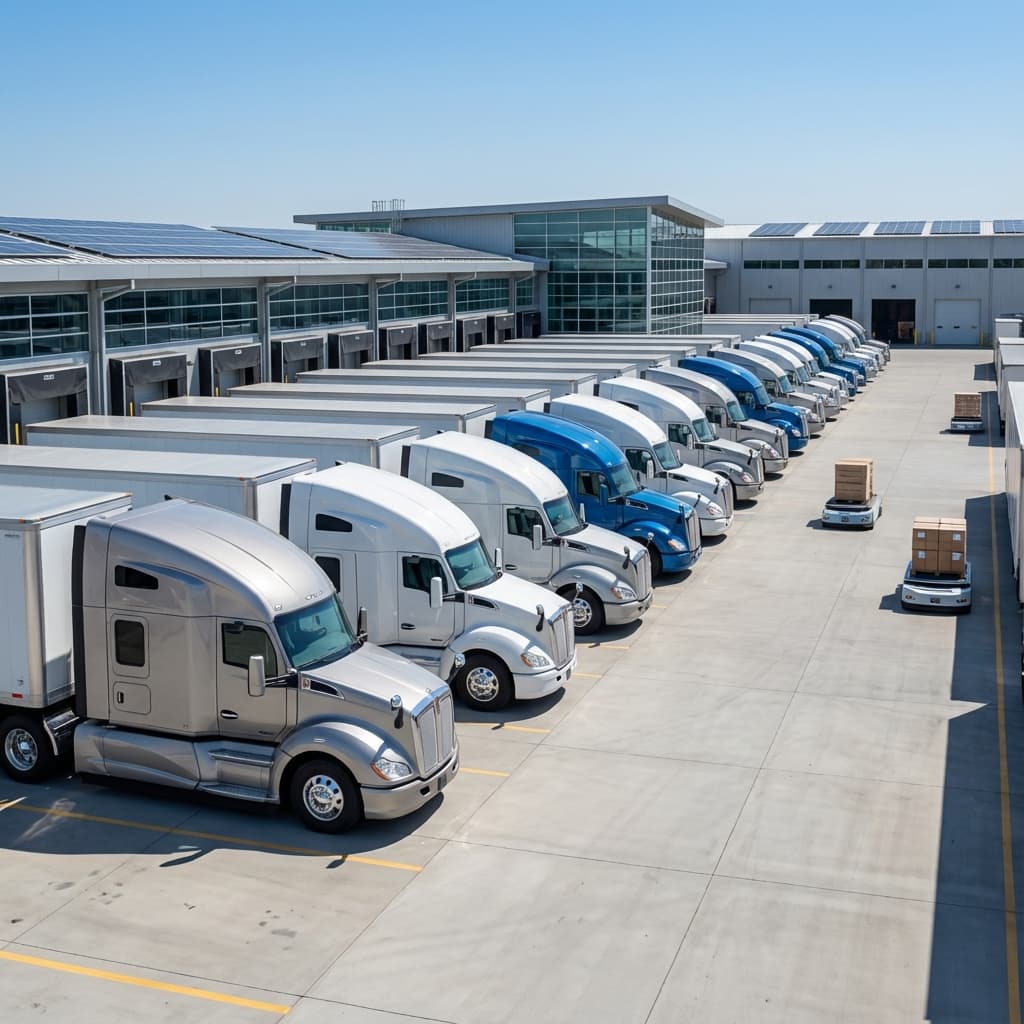
The Data-Driven Revolution in Motor Carriage
In the modern trucking landscape, the margin between a thriving fleet and a struggling one often comes down to the quality of operational intelligence. While many carriers view data as a compliance requirement—primarily for ELD mandates and IFTA reporting—top-tier operators treat data as their most valuable asset. The Efficiency Engine refers to the systematic use of telematics, maintenance logs, and dispatch records to eliminate waste and maximize the revenue-earning potential of every asset.
Optimizing the Fuel Variable: Beyond the Gallon
Fuel remains one of the largest controllable expenses for any motor carrier. However, optimizing fuel spend goes beyond simply finding the cheapest pump price. Data-driven carriers analyze idle time, cruise control usage, and excessive speeding to identify patterns that drain profitability.
- Idle Reduction: Modern telematics can pinpoint exactly where and why trucks are idling, allowing fleet managers to implement targeted training or auxiliary power unit (APU) investments.
- Route Optimization: Integration between dispatch and GPS data helps minimize deadhead miles and ensures drivers are utilizing the most fuel-efficient paths, accounting for terrain and traffic patterns.
Asset Lifecycle Engineering: Knowing When to Trade
A critical component of business operations is managing the Total Cost of Ownership (TCO). High-growth fleets use data to determine the precise 'inflection point' where the cost of maintaining an older power unit exceeds the financing costs of a new one. By tracking Repair and Maintenance (R&M) costs per mile, carriers can avoid the 'maintenance trap'—a cycle of escalating costs and unplanned downtime that erodes service reliability and insurance favorability.
Implementing a rigorous Preventative Maintenance (PM) schedule based on real-time engine diagnostics rather than just calendar dates ensures that minor issues are caught before they become catastrophic failures on the road.
Driving Retention through Performance Metrics
In a competitive labor market, driver retention is a massive operational win. Data allows carriers to move away from subjective performance reviews toward a transparent, incentive-based compensation model. By rewarding drivers for safety, fuel efficiency, and on-time delivery, motor carriers foster a culture of professional pride.
Transparency is key: When drivers have access to their own performance data via mobile apps, they are more likely to self-correct behaviors. This not only improves the carrier's bottom line but also enhances the fleet's safety profile, which is a primary driver in long-term insurance premium stability.
The Integration Advantage: Connecting Dispatch to the Bottom Line
Operational efficiency is often lost in the 'silos' between the shop, the dispatch desk, and the back office. The most successful motor carriers utilize integrated Transportation Management Systems (TMS) that allow for real-time visibility. When dispatchers can see an asset's remaining HOS (Hours of Service) and its next scheduled maintenance window simultaneously, they can make smarter loading decisions that maximize utility without risking violations or mechanical breakdowns.
Conclusion: The Competitive Edge of Information
For United Lanes Insurance partners, operational efficiency is more than just a way to increase profit; it is a way to build a resilient, insurable, and scalable business. By harnessing the 'Efficiency Engine,' motor carriers move from a reactive stance to a proactive strategy, ensuring that every mile driven contributes to the long-term health of the fleet. In an industry where costs are rising, the carrier that masters its data is the one that will dominate the road.
Questions about
this topic?
Our specialists are ready to provide the personalized guidance you need for your specific situation.