The Efficiency Engine: Optimizing Back-Office Operations and Vendor Ecosystems for Scalable Growth
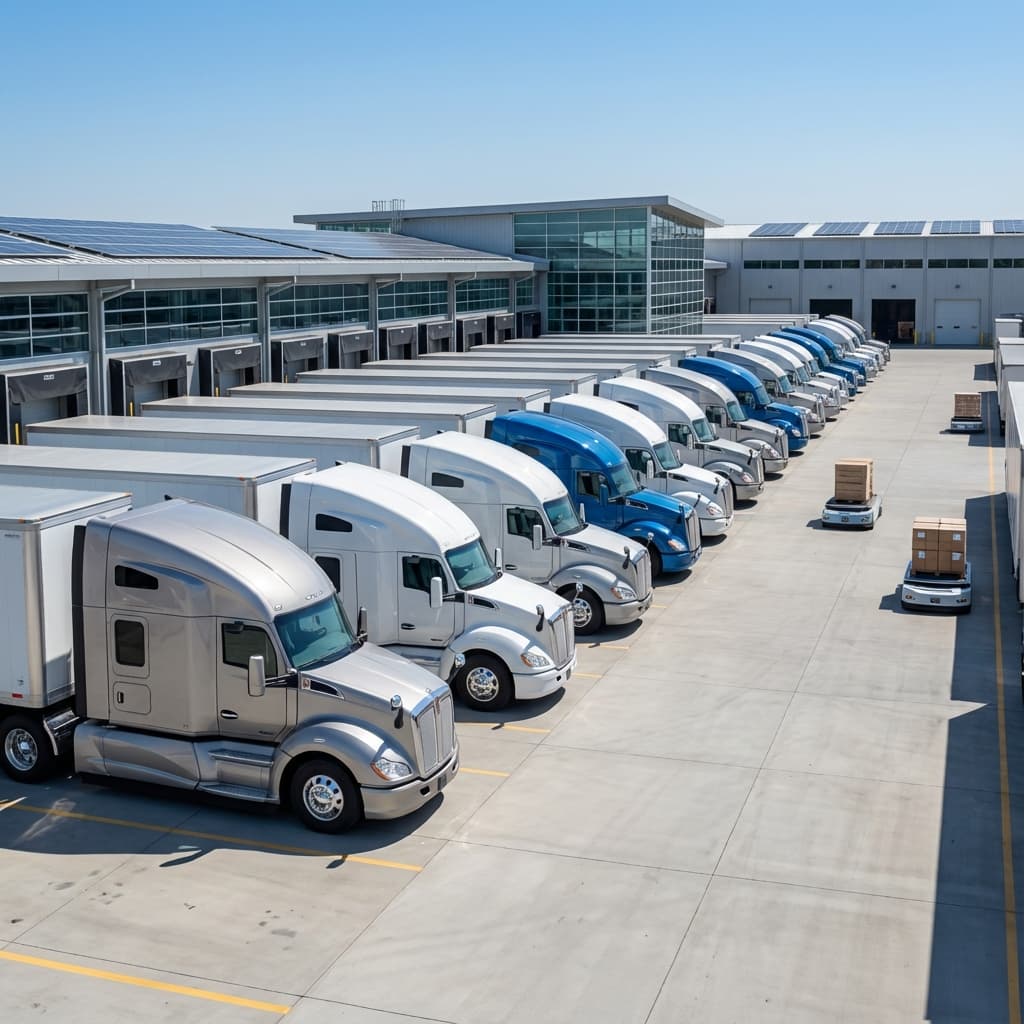
Beyond the Driver’s Seat: The True Core of Fleet Scaling
In the trucking industry, success is often measured by the miles logged and the cargo delivered. However, for a motor carrier to transition from a surviving entity to a thriving enterprise, the focus must shift from the road to the operational engine that powers the business. Operational efficiency is not merely a buzzword; it is the discipline of maximizing output while minimizing administrative friction and wasted capital.
As we look toward the future of logistics, the carriers that will dominate the market are those that treat their back-office operations with the same rigor as their safety protocols. This guide explores the strategic pillars of operational excellence: administrative automation, vendor optimization, and data-driven financial discipline.
1. Digital Transformation: Eliminating Administrative Bloat
Many small-to-mid-sized carriers are held back by manual processes—paper logs, spreadsheets for maintenance tracking, and fragmented communication. This 'administrative debt' consumes time that should be spent on growth strategy. To achieve true scalability, motor carriers must invest in a robust Transportation Management System (TMS) that integrates with their telematics and accounting software.
- Automated Billing and Collections: Reducing the 'Days Sales Outstanding' (DSO) is critical. Automated invoicing ensures that as soon as a proof of delivery is uploaded, the billing cycle begins.
- Document Management: Centralized digital storage for driver qualification files, maintenance records, and IFTA reporting reduces the stress of audits and ensures compliance is a byproduct of daily operations, not a separate project.
- Workflow Standardization: Establishing clear, repeatable processes for dispatch and load planning prevents the 'hero culture' where one person holds all the operational knowledge.
2. Strategic Vendor Management: More Than a Service Level Agreement
A carrier is only as strong as its external network. Moving beyond a transactional relationship with vendors to a strategic partnership can yield significant operational savings. Whether it is your maintenance provider, fuel card issuer, or equipment lessor, alignment is key.
Maintenance and Parts Procurement
Operational efficiency is often lost in the service bay. Carriers should seek national accounts or preferred vendor agreements that offer standardized pricing and priority scheduling. By tracking the 'Mean Time Between Failures' (MTBF) through a preferred mechanic, you can transition from reactive repairs to predictive maintenance, significantly reducing costly roadside downtime.
Insurance as a Business Partner
Your insurance provider should do more than just issue certificates. At United Lanes Insurance, we view insurance as a tool for operational stability. High-performing carriers leverage their insurance data to identify risk patterns, which in turn informs driver training and helps in negotiating better rates based on actual performance data rather than industry averages.
3. Measuring What Matters: Key Performance Indicators (KPIs) for Growth
If you cannot measure it, you cannot manage it. To drive efficiency, motor carriers must look beyond the simple 'Revenue Per Mile' metric. High-efficiency fleets monitor a more granular set of KPIs:
- Operating Ratio: This measures your operating expenses as a percentage of your revenue. A decreasing operating ratio indicates an increasingly efficient business.
- Revenue Per Employee: This metric helps you understand if you are overstaffed in the office or if your technology is truly augmenting your staff's capabilities.
- Empty Mile Ratio: Identifying and eliminating non-revenue generating miles is the fastest way to improve the bottom line without increasing fleet size.
- Cost of Turnover: Calculating the true cost of recruiting and training a new driver versus the cost of retention programs often reveals that investment in driver comfort and communication is an operational necessity.
4. Financial Discipline and Capital Allocation
Growth requires capital, but inefficient growth can lead to insolvency. Scaling a motor carrier requires a disciplined approach to capital allocation. Instead of expanding the fleet during a market peak, efficient carriers focus on maximizing the utilization of existing assets. This might include implementing slip-seating programs or optimizing lane density to ensure trucks are never sitting idle.
Furthermore, maintaining a 'Liquidity Buffer' is essential. In an industry prone to fuel price volatility and freight rate fluctuations, operational efficiency provides the margin needed to weather downturns and the readiness to capitalize on opportunities when competitors are forced to retract.
Conclusion: The Path to a Resilient Future
Operational excellence is a continuous journey of refinement. By automating the mundane, leveraging vendor relationships, and obsessing over the right metrics, motor carriers can build a business that is not only profitable but also resilient. At United Lanes Insurance, we are committed to supporting our clients not just with coverage, but with the insights needed to run a sophisticated, high-performance trucking operation.
Questions about
this topic?
Our specialists are ready to provide the personalized guidance you need for your specific situation.