The Efficiency Engine: Optimizing Asset Lifecycle Management for Sustainable Carrier Growth
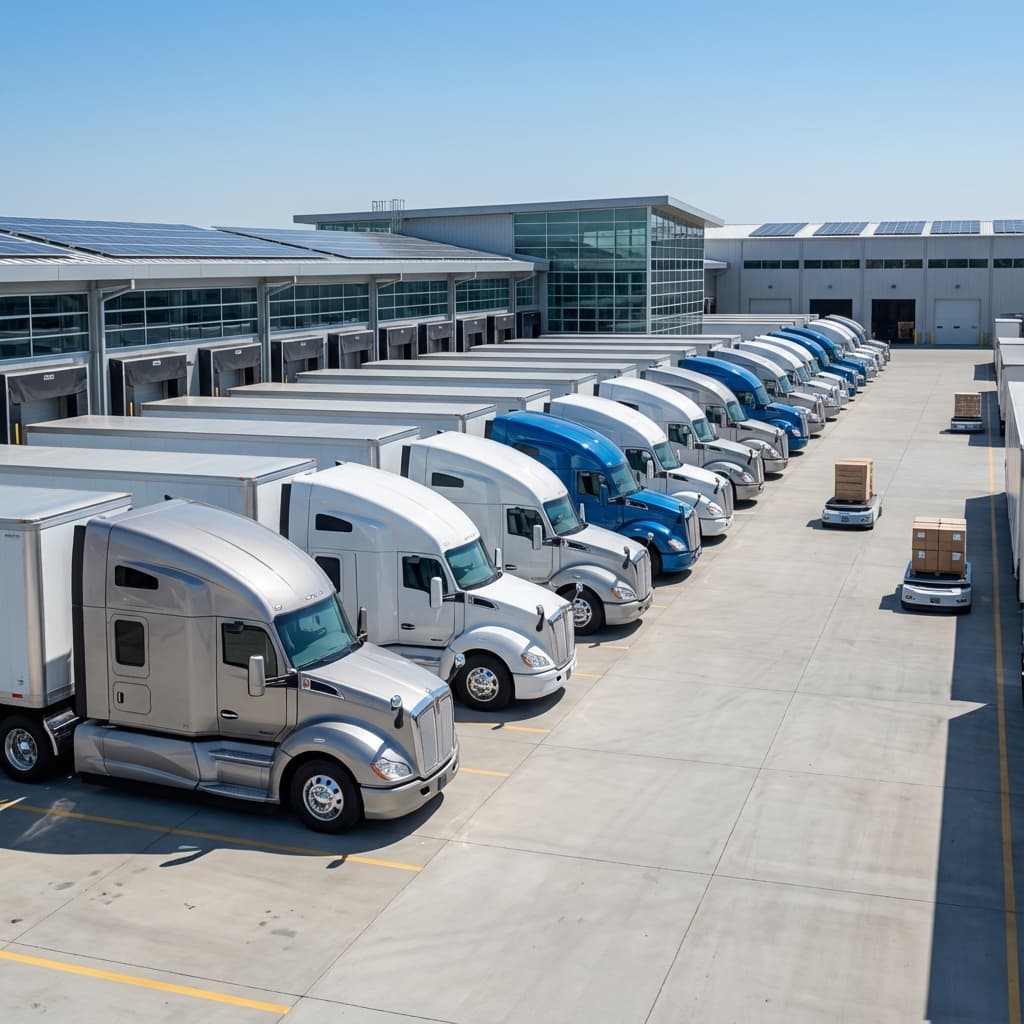
Mastering the Full Lifecycle of Your Fleet
In the high-stakes, thin-margin world of transportation, the difference between a thriving motor carrier and one that is merely surviving often comes down to Asset Lifecycle Management (ALM). While many operators focus solely on the daily grind of securing loads and managing drivers, the most successful fleets treat their equipment as a dynamic financial engine. Mastering the lifecycle of your trucks—from procurement to disposal—is essential for optimizing cash flow and ensuring long-term operational resilience.
The Procurement Strategy: Looking Beyond the Sticker Price
Operational efficiency begins before the keys are even in the ignition. When expanding a fleet, growth-oriented carriers move beyond the initial purchase price and focus on Total Cost of Ownership (TCO). This involves a rigorous analysis of:
- Fuel Economy Specs: Choosing aerodynamic packages and powertrain configurations tailored to specific routes.
- Warranty Coverage: Ensuring that the manufacturer's backing aligns with your intended trade cycle to minimize out-of-pocket repair costs.
- Technological Integration: Investing in factory-installed telematics that provide deeper insights into engine health and driver behavior from day one.
By making data-driven procurement decisions, carriers can lower their cost-per-mile (CPM) right out of the gate, providing more room to reinvest in business expansion.
Predictive Maintenance: The Shield Against Downtime
Unscheduled downtime is a growth killer. For a motor carrier, a truck sitting in a shop is not just a repair bill; it is lost revenue and a potential service failure for a customer. Shifting from a reactive maintenance model to a predictive maintenance framework is a cornerstone of operational efficiency.
The Role of Telematics and Real-Time Alerts
Modern fleet management software allows carriers to monitor fault codes in real-time. By addressing a minor sensor issue before it leads to a full engine derate, carriers can schedule repairs during planned downtime. This proactive approach extends the life of the asset and maintains a higher level of safety, which in turn protects the carrier's CSA scores and insurance standing.
The Disposal Sweet Spot: Timing Your Fleet Rotation
One of the most difficult decisions for a fleet executive is knowing when to retire an asset. Holding onto a truck for too long leads to escalating maintenance costs and decreased reliability. Conversely, trading too early can result in excessive depreciation hits.
Successful carriers analyze the 'Economic Equilibrium Point'—the moment when the rising cost of maintenance and downtime intersects with the declining value of the truck. Strategically rotating the fleet at this juncture ensures that you are always operating the most efficient equipment while maximizing the resale or trade-in value of your used assets.
The Strategic Link Between Fleet Health and Insurance
From an insurance perspective, the age and condition of your fleet are critical underwriting factors. A well-managed asset lifecycle demonstrates to insurers that a carrier is disciplined and low-risk. Benefits of maintaining a modern, well-maintained fleet include:
- Improved Risk Profile: Newer trucks are equipped with advanced driver assistance systems (ADAS) like collision mitigation and lane departure warnings, which significantly reduce accident frequency.
- Lower Premium Pressure: Insurers favor carriers with low breakdown rates, as mechanical failures are a common root cause of roadside incidents.
- Enhanced Driver Retention: Drivers prefer operating newer, more reliable equipment, which reduces turnover costs—a major operational expense.
Conclusion: Building a Scalable Foundation
Asset Lifecycle Management is not just a maintenance task; it is a core business strategy. By optimizing how you buy, maintain, and sell your equipment, you create a more predictable financial environment. This stability is what allows a motor carrier to scale with confidence, secure better financing, and maintain a competitive edge in an ever-evolving marketplace. At United Lanes Insurance, we believe that operational excellence and risk management go hand-in-hand to build a more profitable future for your fleet.
Questions about
this topic?
Our specialists are ready to provide the personalized guidance you need for your specific situation.