The Efficiency Audit: Stress-Testing Your Motor Carrier's Operational Core
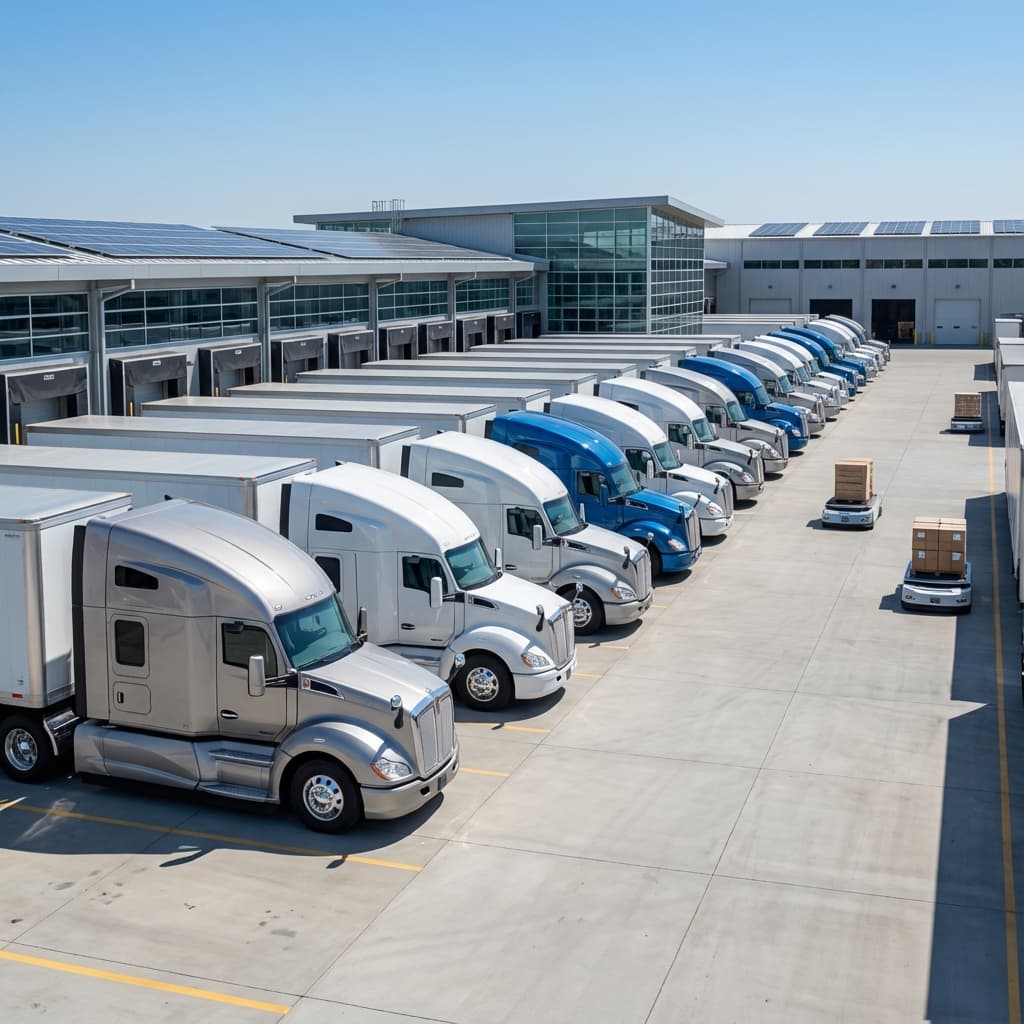
Building a Resilient Foundation in a Volatile Market
In the modern trucking landscape, where freight rates fluctuate and overhead costs remain stubbornly high, operational efficiency is no longer just a goal—it is a survival mechanism. For motor carriers looking to scale, the leap from survival to sustainable growth requires a rigorous efficiency audit. This process involves stress-testing every facet of your business, from dispatch workflows to asset lifecycle management, to ensure your fleet is running as a lean, profit-generating machine.
1. Dispatch Optimization and Load Density
Efficiency begins with how your assets move through space and time. Many carriers fall into the trap of 'chasing the rate' without considering the geographical impact on their next load. A comprehensive audit of your dispatch operations should focus on load density and the minimization of deadhead miles.
- Geographic Concentration: Analyze your historical data to identify 'power lanes' where you have consistent backhaul opportunities. Reducing deadhead by even 5% can result in significant annual fuel and maintenance savings.
- Dynamic Routing: Utilize routing software that accounts for real-time traffic, weather, and fuel pricing to ensure your drivers are taking the most cost-effective paths.
2. Precision Asset Lifecycle Management
Fleet management is often the largest line item on a carrier's balance sheet. To optimize this, carriers must move beyond reactive maintenance toward a Predictive Maintenance Model. By leveraging telematics data, you can address mechanical issues before they result in a roadside breakdown—events that are significantly more expensive and detrimental to your safety scores.
Furthermore, understanding the Total Cost of Ownership (TCO) for each unit in your fleet allows you to make informed decisions about when to cycle out older equipment. An aging truck may have no monthly payment, but if its fuel efficiency is 2 mpg lower than a newer model and its maintenance costs are rising, it may actually be draining your operational capital.
3. The Human Capital ROI: Retention as a Growth Strategy
Many motor carriers view driver recruitment as a marketing expense, but it is fundamentally a business operations challenge. The cost of replacing a single driver—including recruitment, onboarding, and lost truck productivity—is estimated to be between $5,000 and $10,000. High turnover is a massive operational leak.
Operationalizing Driver Satisfaction
- Performance-Based Incentives: Implement bonus structures tied to fuel efficiency, safety milestones, and on-time delivery. This aligns driver behavior with company profitability.
- Streamlined Onboarding: Ensure your administrative processes don't keep drivers off the road. A fast, professional, and digital-first onboarding experience sets the tone for a long-term partnership.
4. Leveraging Data for Better Insurance Outcomes
From a specialized insurance perspective, an operationally efficient fleet is a lower-risk fleet. When you conduct an efficiency audit, you are essentially creating a paper trail of professional governance. Documenting your maintenance schedules, driver training protocols, and telematics-based speed monitoring doesn't just save you money on fuel—it makes you a 'preferred risk' in the eyes of underwriters.
United Lanes Insurance recommends that carriers share their operational data with their brokers. When we can demonstrate that a carrier has a 98% maintenance compliance rate or has reduced idle time by 15%, we have the leverage needed to negotiate more favorable premiums and terms.
5. Technology Integration and the Paperless Office
Manual data entry is a relic of the past that introduces human error and slows down cash flow. Efficient carriers utilize integrated Transportation Management Systems (TMS) that sync with their ELDs and accounting software. Automating the 'Load-to-Cash' cycle ensures that invoices are sent immediately upon delivery, improving your Days Sales Outstanding (DSO) and providing the liquidity needed for rapid growth.
Conclusion: The Path to Scalability
The transition from a small fleet to a major carrier requires a shift in mindset from 'trucking' to 'logistics management.' By conducting a regular efficiency audit and stress-testing your core operations, you ensure that your business is built on a foundation of data rather than guesswork. This operational excellence is what ultimately drives profitability, safety, and long-term viability in the trucking industry.
Questions about
this topic?
Our specialists are ready to provide the personalized guidance you need for your specific situation.