The Diversification Roadmap: Strategic Service Expansion for Motor Carrier Resilience
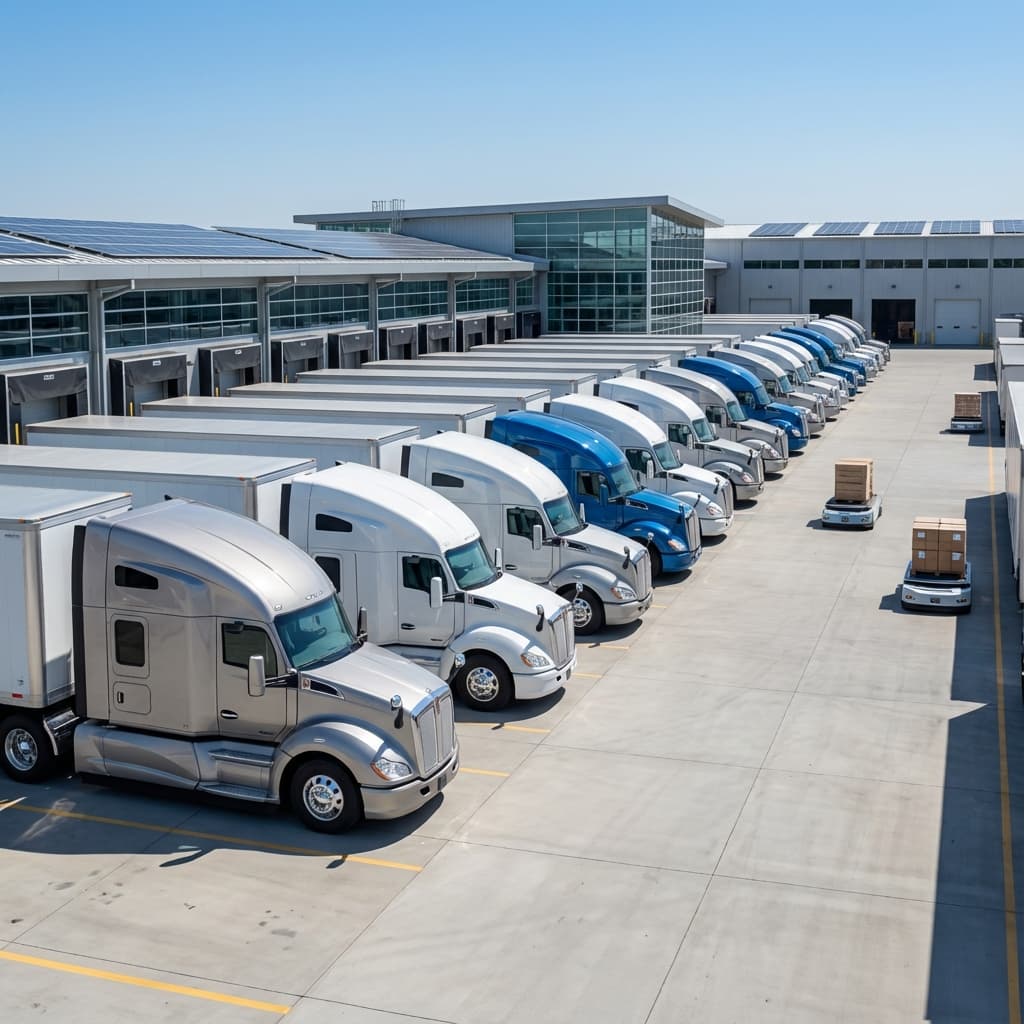
Beyond the Spot Market: Why Diversification is Non-Negotiable
In the high-stakes world of trucking, volatility is the only constant. For many small-to-mid-sized motor carriers, the general freight spot market acts as a primary source of income. However, as market cycles shorten and rates fluctuate wildly, carriers reliant on a single service offering often find themselves at the mercy of factors beyond their control. Strategic diversification is not merely a growth strategy; it is a fundamental risk management practice that protects the financial health of the business.
Identifying High-Value Niches
Moving away from the 'jack-of-all-trades' model allows a carrier to command higher premiums. Specialization creates a barrier to entry for competitors and builds specialized expertise that shippers are willing to pay for. Consider these high-yield avenues:
- Temperature-Controlled Logistics: While reefer operations involve higher equipment costs and maintenance, they provide access to food and pharmaceutical sectors that are largely recession-proof.
- Open-Deck and Specialized Heavy Haul: Moving oversized or heavy equipment requires specialized permits and driver skill sets, leading to significantly higher per-mile rates than standard dry van loads.
- Hazardous Materials (Hazmat): Though the insurance requirements and regulatory oversight are more stringent, the limited supply of qualified carriers in this space ensures more consistent demand and better margins.
The Geometry of Efficiency: Lane Density and Regional Focus
Growth doesn't always mean adding more trucks; often, it means adding more value to existing routes. Operational efficiency is achieved when a carrier masters lane density. By focusing on specific geographic corridors, carriers can reduce deadhead miles and build stronger relationships with local shippers.
Optimizing the Backhaul
A diversified carrier looks at the return leg not as a secondary thought, but as a critical component of the yield. By securing dedicated backhaul contracts in a specialized niche—such as moving industrial components one way and raw materials the other—carriers can effectively double their operational efficiency without increasing their fleet size.
Transitioning from Spot to Contract Freight
The hallmark of a mature trucking business is the ratio of contract freight to spot market volume. Contract freight provides the predictable cash flow necessary for long-term fleet planning and equipment financing. To make this transition, carriers must demonstrate a level of reliability that general freight operators often lack.
Professionalism as a Product: Shippers looking for long-term partners value data transparency, consistent on-time delivery percentages, and a robust safety record. Using your telematics and ELD data as a sales tool—showing potential contract partners your history of reliability—is a powerful way to secure these higher-value agreements.
Aligning Your Insurance Strategy with Expansion
Every move into a new niche requires a corresponding shift in your insurance profile. Expanding into hazmat or high-value electronics requires more than just increasing your cargo limits; it requires an insurance partner who understands the specific risks associated with those commodities. United Lanes Insurance works with carriers to ensure that as their business model evolves, their coverage evolves with it, preventing gaps that could jeopardize a new contract.
The Long-Term Outlook: Building a Recession-Proof Fleet
The goal of diversification is to create a business that can withstand a downturn in any single sector. A carrier that balances seasonal produce, steady pharmaceutical contracts, and high-margin industrial hauling is far better positioned to survive a 'freight recession' than one chasing the highest spot rate of the day. By treating your operations as a diversified portfolio, you ensure the longevity and scalability of your motor carrier for years to come.
Questions about
this topic?
Our specialists are ready to provide the personalized guidance you need for your specific situation.