The Diversification Blueprint: Strategic Revenue Expansion and Risk Mitigation for Motor Carriers
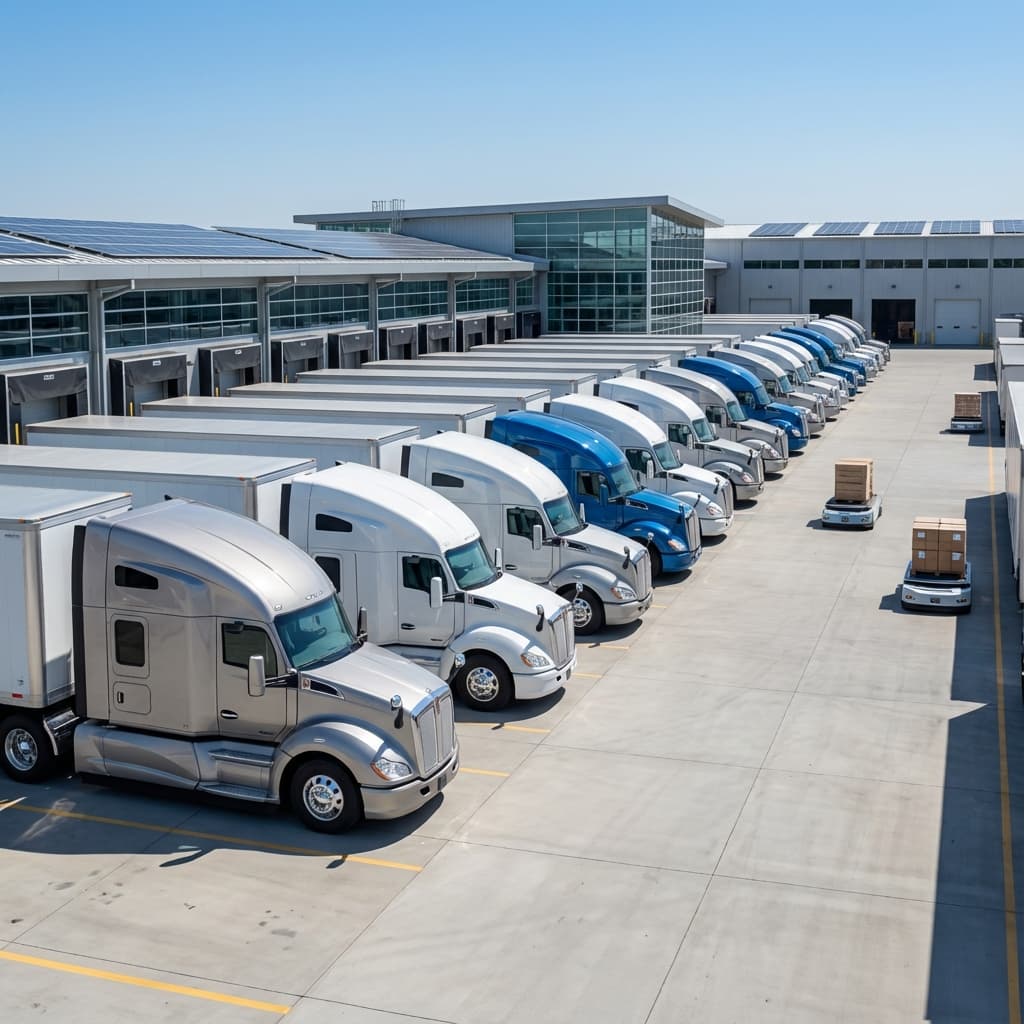
The Trap of the Specialized Monoculture
In the trucking industry, specialization is often touted as the ultimate path to high margins. While focusing on a single niche—such as hauling flatbed construction materials or dry van retail goods—allows for operational excellence, it also creates a concentration risk. When a specific sector of the economy slows down, carriers without a diversified portfolio find themselves competing for scraps on the spot market, often at rates below the cost of operation.
For the modern motor carrier, growth is not just about adding trucks; it is about building a resilient revenue engine. True operational efficiency requires a strategic balance between contract consistency and the flexibility to pivot when market conditions shift.
Phase 1: Assessing Lane and Commodity Risk
Before expanding your fleet, you must analyze your current revenue distribution. A healthy motor carrier should aim to prevent any single customer or narrow commodity type from representing more than 25-30% of their total revenue. To begin your diversification journey, consider the following metrics:
- Cyclicality: Does your primary freight depend on seasonal trends (e.g., agriculture) or economic cycles (e.g., housing starts)?
- Equipment Versatility: Can your current trailers be repurposed, or are you locked into a niche that limits your backhaul opportunities?
- Geographic Concentration: Are you overly reliant on a specific corridor that may be subject to regional fuel spikes or regulatory shifts?
Phase 2: The Strategic Pivot to Higher-Barrier Freight
Operational efficiency is often found where the barrier to entry is higher. While the insurance requirements and equipment costs may be greater, the competition is significantly lower. Motor carriers looking for sustainable growth should evaluate the transition into specialized sectors:
The Reefer Advantage
While refrigerated transport requires higher fuel consumption and stricter maintenance schedules, it offers a level of recession-proofing that dry van freight lacks. People always need to eat, and the pharmaceuticals sector provides high-value opportunities for carriers with impeccable safety records and temperature-controlled capabilities.
Hazmat and Tanker Operations
Moving into hazardous materials requires a robust safety culture and specific driver endorsements. From a business standpoint, this creates a moat around your company. Shippers are willing to pay a premium for carriers who can navigate the complex regulatory and insurance landscape of Hazmat transport.
Phase 3: Operational Scaling and Infrastructure
Expanding your freight mix requires more than just buying new trailers; it requires an evolution of your back-office infrastructure. To maintain efficiency during expansion, motor carriers must focus on:
- Dynamic Dispatching: Moving away from static routes toward data-driven dispatching that accounts for real-time market rates and fuel surcharges.
- Safety Documentation: As you diversify, your safety management system (SMS) must adapt to the specific risks of new commodities. Documented training for new equipment types is critical for maintaining your insurance standing.
- Financial Reserves: Expansion often comes with a temporary dip in cash flow. Maintaining a 90-day operating reserve ensures that you can weather the transition period of entering a new market.
The Insurance Perspective: Growth Without Exposure
From an underwriting standpoint, diversification is viewed as a sign of a mature and stable business. However, it is vital to communicate with your insurance partner before you sign a new contract or purchase new equipment. Hauling a new commodity or entering a higher-risk geographic zone (such as deep metropolitan areas) can impact your filings and premiums.
By aligning your operational growth with a proactive risk management strategy, you transform your fleet from a simple transport provider into a sophisticated logistics partner. Diversification is the shield that protects your business from the inevitable ebbs and flows of the freight cycle, ensuring that your wheels keep turning regardless of economic headwinds.
Questions about
this topic?
Our specialists are ready to provide the personalized guidance you need for your specific situation.