The Digital Freight Frontier: Navigating the 2026 Market Rebound and Tech Integration
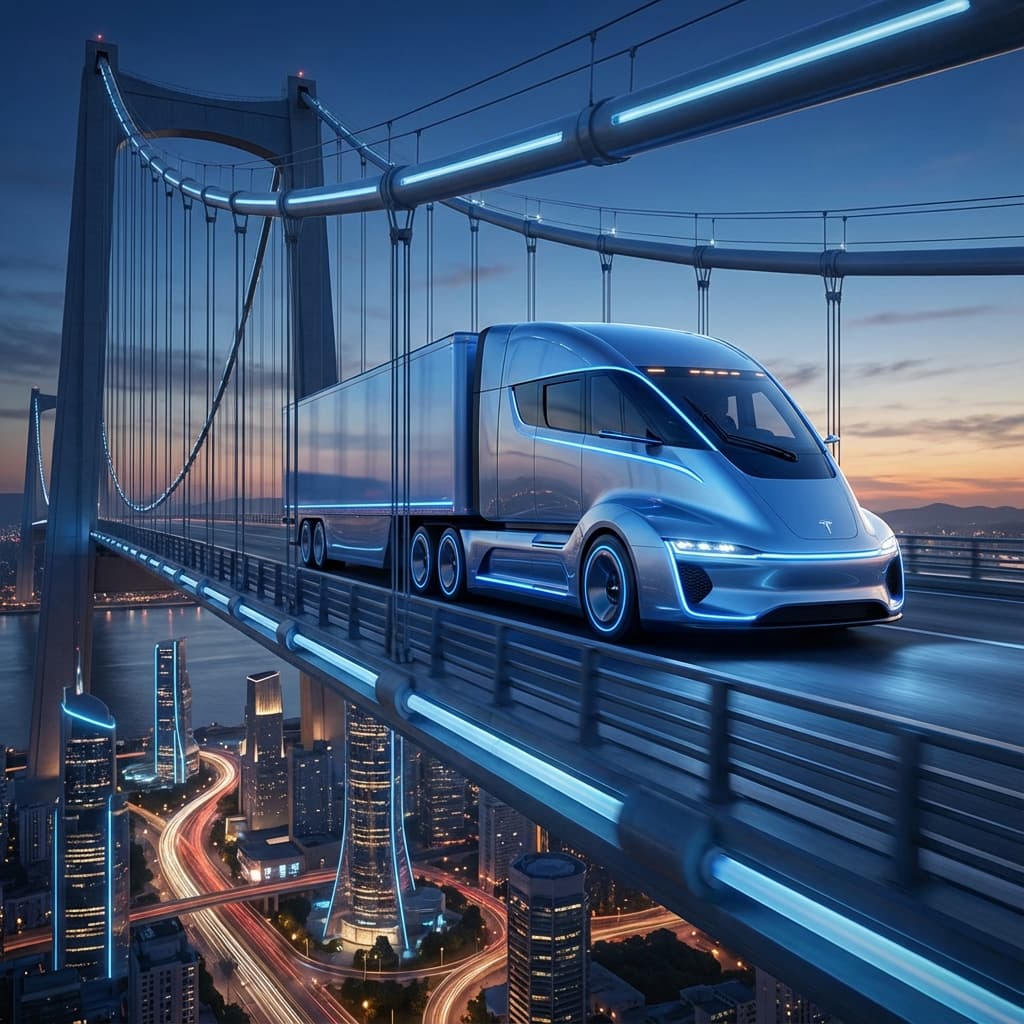
The 2026 Freight Landscape: A Shift Toward Strategic Equilibrium
After a prolonged period of market volatility and capacity corrections, the trucking industry is entering a sophisticated new era in late 2026. For motor carriers, the focus has shifted from simply keeping wheels turning to optimizing every mile through data-driven intelligence. At United Lanes Insurance, we are observing a significant trend: carriers who integrate real-time market analytics into their operations are not only securing better rates but are also becoming more attractive to premier insurance underwriters.
Economic Indicators: The Capacity Squeeze and Rate Normalization
The 'Great Rebalancing' of 2025 has led to a leaner, more resilient carrier pool in 2026. With excess capacity finally exiting the market, we are seeing a steady incline in contract rates. However, the current recovery is different from previous cycles. It is being driven by precision logistics rather than raw demand.
- Tightening Spot Markets: Spot rates are beginning to outpace operational costs for the first time in 24 months, providing a much-needed margin for small to mid-sized fleets.
- Inventory Restocking Cycles: Just-in-time manufacturing has evolved into 'just-in-case' resilience, leading to more consistent, predictable freight volumes on key corridors.
- Interest Rate Stabilization: As the cost of capital plateaus, fleets are cautiously returning to equipment upgrades, focusing on fuel efficiency to offset stubborn diesel prices.
Technological Advancements: The Rise of AI-Driven Load Selection
The most significant technological trend impacting the freight market today is the democratization of AI-driven predictive analytics. Previously reserved for mega-carriers, small fleets now have access to tools that predict rate fluctuations 72 hours in advance. This allows dispatchers to move away from the 'first-come, first-served' mentality toward a high-yield selection strategy.
Integrating these technologies does more than just boost revenue; it mitigates risk. By choosing routes with lower historical accident frequency and higher security ratings, carriers are building a digital footprint of safety that direct-to-carrier shippers are increasingly demanding.
The Intersection of Market Intelligence and Insurance Costs
In the current market, insurance is no longer a static overhead cost; it is a dynamic variable influenced by your operational data. Underwriters are now rewarding carriers who utilize Electronic Logging Device (ELD) integration with predictive safety software. This transparency allows for 'Risk-Based Pricing,' where your ability to navigate the 2026 market safely results in tangible premium credits.
Actionable Strategies for the Modern Motor Carrier
To capitalize on the 2026 market rebound, United Lanes Insurance recommends the following strategic adjustments:
- Diversify Your Freight Mix: Avoid over-reliance on a single broker or industry. The current recovery favors those with a footprint in both consumer durables and industrial manufacturing.
- Audit Your Telematics: Ensure your data is being captured and utilized. Carriers who can prove their safety record through hard data have a 15-20% advantage during insurance renewals.
- Focus on Driver Retention: As rates rise, the war for talent intensifies. Use the increased margins to invest in driver comfort and safety technology, which reduces turnover and long-term liability.
The Path Forward
The trucking industry of 2026 is one where information is just as valuable as the equipment itself. By understanding these economic shifts and embracing the technological tools available, motor carriers can transform from reactive participants to proactive leaders in the freight market. Stay tuned to United Lanes Insurance for more deep dives into the trends shaping our industry.
Questions about
this topic?
Our specialists are ready to provide the personalized guidance you need for your specific situation.