The Digital Freight Blueprint: Mastering Operational Agility in a Volatile Market
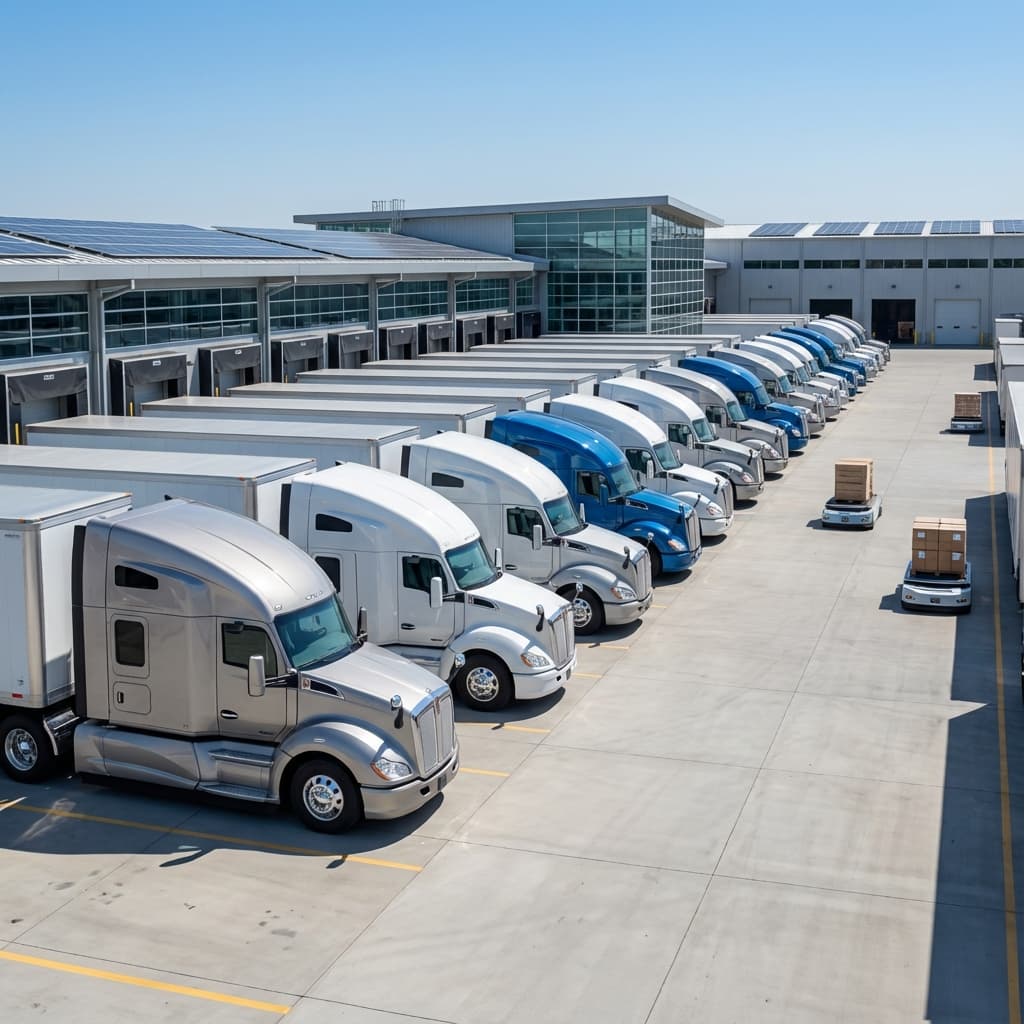
The Shift from Reactive to Proactive Business Operations
In the modern trucking landscape, the difference between a carrier that merely survives and one that thrives lies in operational agility. For many motor carriers, the daily grind consists of reactive decision-making—chasing spot market rates, managing sudden breakdowns, and scrambling to fill empty backhauls. However, to scale a fleet sustainably, owners must pivot toward a data-driven 'Digital Freight Blueprint' that prioritizes long-term efficiency over short-term fixes.
The Core of Agility: Integrating TMS and Telematics
The foundation of a scalable operation is the seamless integration of a Transportation Management System (TMS) with real-time telematics. This integration does more than just track locations; it provides the granular data necessary to analyze the true cost-per-mile of every lane and every driver.
- Automated Documentation: Reducing the administrative burden on dispatchers allows them to focus on high-yield load procurement rather than paperwork.
- Predictive Maintenance: By utilizing telematics data, carriers can move from 'break-fix' cycles to scheduled maintenance, significantly reducing costly roadside repairs and insurance-impacting incidents.
- Real-Time Profitability Analysis: An integrated system allows you to see the net margin of a load in real-time, factoring in fuel, tolls, driver pay, and overhead.
Strategic Diversification: Beyond the Spot Market
Heavy reliance on the spot market is a common trap for growing carriers. While it offers quick cash flow during tight-capacity cycles, it leaves the business vulnerable during market downturns. Professional fleet management requires a balanced freight mix:
1. Contractual Stability
Establishing direct relationships with shippers provides a predictable volume that allows for better equipment financing and driver scheduling. Consistent lanes lead to consistent fuel consumption and more predictable maintenance schedules.
2. Niche Specialization
Whether it is temperature-controlled, hazmat, or oversized loads, specializing in high-barrier-to-entry freight creates a competitive moat. These niches often command higher margins and are less susceptible to the wild swings of the general van spot market.
Human Capital: Retention as an Operational Efficiency
In trucking, driver turnover is not just a HR issue; it is a significant operational drain. The cost of recruiting and onboarding a new driver can exceed $10,000 when accounting for downtime, advertising, and training.
To optimize efficiency, carriers must treat driver retention as a financial metric. Implementing performance-based incentives tied to fuel economy and safety records creates a win-win: the driver earns more, the carrier saves on variable costs, and the insurance loss run remains clean—lowering premiums over time.
Financial Resilience and Reinvestment
Operational efficiency is ultimately reflected in the balance sheet. Growing fleets must master the art of cash flow management. This involves choosing the right financial vehicles—deciding when to utilize factoring for immediate liquidity versus when to build cash reserves to fund equipment acquisitions without high-interest debt.
At United Lanes Insurance, we see the strongest growth in carriers who reinvest their operational savings back into technology and safety. By hardening your business operations against market volatility, you not only ensure your survival but position your fleet to capitalize on the next market upswing.
Conclusion: Scaling with Intelligence
Expanding a trucking business is not simply a matter of adding more power units. It requires a sophisticated approach to data, a commitment to driver satisfaction, and a strategic diversification of revenue streams. By following a digital blueprint, motor carriers can build a resilient operation that is prepared for whatever the road ahead may hold.
Questions about
this topic?
Our specialists are ready to provide the personalized guidance you need for your specific situation.