The Defensive Perimeter: Deconstructing the Core Pillars of Commercial Trucking Coverage
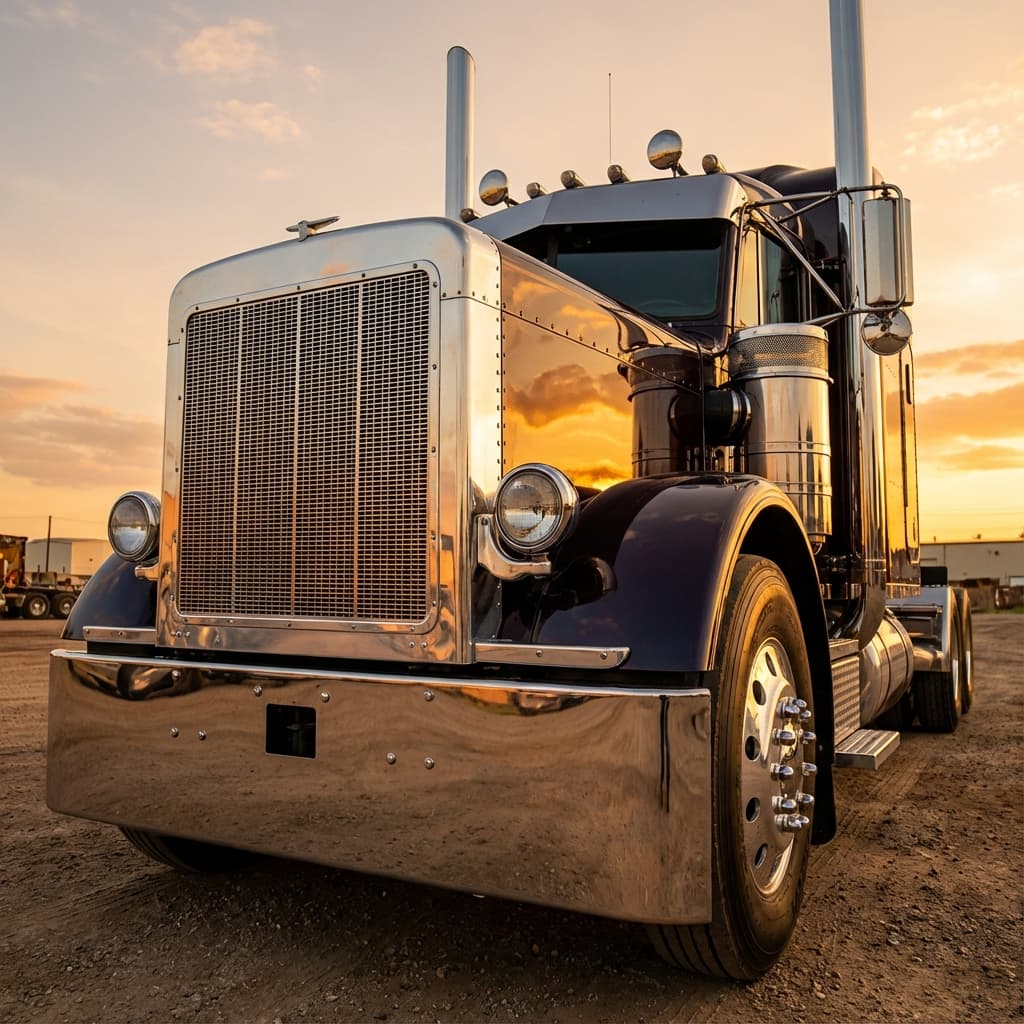
The Foundation of Financial Stability: Primary Liability
In the world of commercial transportation, Primary Liability is not just a regulatory requirement mandated by the FMCSA; it is the bedrock of your fleet's defensive perimeter. This coverage is designed to protect your business against third-party claims for bodily injury and property damage resulting from an accident where your truck is at fault.
While the federal minimum for general freight is often set at $750,000, the industry standard for high-value contracts and reputable brokers is typically $1,000,000. At United Lanes Insurance, we emphasize that Primary Liability is your first line of defense against nuclear verdicts and rising litigation costs that can bankrupt an underinsured carrier in a single incident.
Protecting the Asset: Physical Damage and Its Nuances
Your equipment is your largest capital investment. Physical Damage coverage provides the necessary capital to repair or replace your tractor and trailer following a collision, fire, theft, or vandalism. However, many carriers fail to understand how the settlement value is calculated, which can lead to significant financial shortfalls during a claim.
Stated Value vs. Actual Cash Value
- Actual Cash Value (ACV): This pays the market value of the vehicle at the time of the loss, accounting for depreciation.
- Stated Value: This allows the carrier to state the value of the equipment based on recent appraisals or upgrades. It is critical for fleets running specialized equipment or those that have performed significant engine overhauls.
Expert Insight: Regularly updating your equipment list with your agent ensures that you are not paying premiums on over-valued assets, nor are you left underfunded when it's time to replace a total loss.
Safeguarding the Freight: Motor Truck Cargo
Without freight, there is no revenue. Motor Truck Cargo insurance protects the carrier’s liability for the cargo that is lost or damaged while in transit. Because the Carmack Amendment places a heavy burden of liability on the carrier, having a robust Cargo policy is essential for operational continuity.
When reviewing Cargo coverage, carriers must look beyond the limit (typically $100,000) and examine the exclusions. Common pitfalls include:
- Reefer Breakdown: Essential for temperature-controlled units; ensures coverage if a mechanical failure leads to spoiled goods.
- Earned Freight: Covers the revenue you would have earned for the load had it been delivered successfully.
- Debris Removal: Covers the often-exorbitant costs of cleaning up a spill or wreckage on a highway.
The Gap Closers: Non-Trucking Liability (NTL)
One of the most frequent points of confusion for owner-operators is the distinction between Primary Liability and Non-Trucking Liability (NTL). Primary Liability is active whenever you are dispatched or hauling a load for a motor carrier. However, what happens when you take the tractor to the shop or use it for personal errands?
NTL provides liability coverage for those specific instances when the truck is being used for non-business purposes. It is important to note that NTL is not 'Bobtail Insurance.' While often used interchangeably, Bobtail insurance covers the tractor anytime it does not have a trailer attached—regardless of whether it is on dispatch or personal use. NTL is strictly for non-revenue, personal use, making it a more cost-effective solution for owner-operators permanently leased to a carrier.
Building a Cohesive Risk Management Strategy
Insurance should never be viewed as a series of disconnected policies. Instead, it is a unified strategy designed to transition risk away from your balance sheet. By aligning your Primary Liability, Cargo, and Physical Damage coverages, you eliminate 'grey areas' where claims often get stuck between different providers.
The goal for the modern motor carrier is to be insurable and profitable. This begins with a deep understanding of these coverage types and partnering with a specialist who understands that in trucking, the cheapest policy is rarely the most economical in the long run.
Questions about
this topic?
Our specialists are ready to provide the personalized guidance you need for your specific situation.