Decoding the Commercial Policy: A Motor Carrier’s Guide to Core Insurance Components
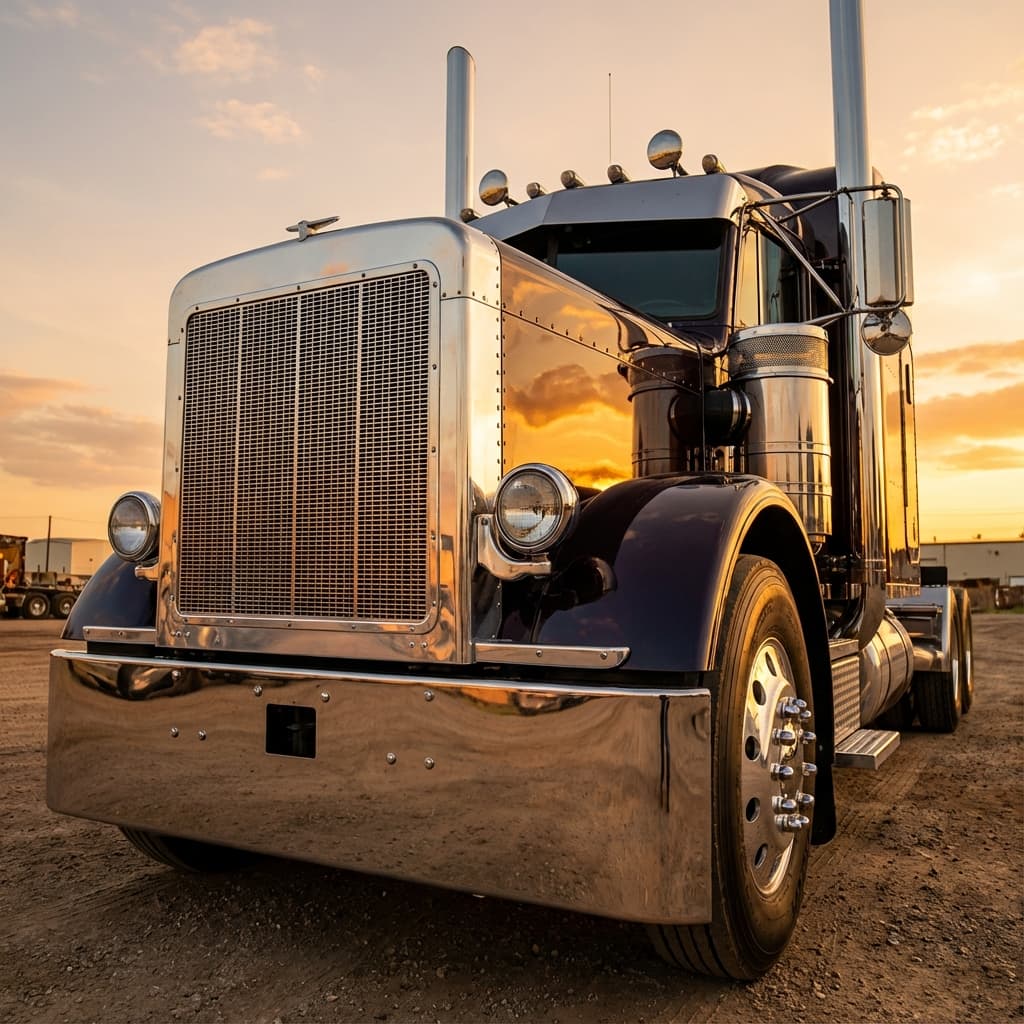
The Anatomy of a Comprehensive Trucking Policy
In the high-stakes world of commercial transportation, insurance is often viewed as a fixed overhead cost. However, for the savvy motor carrier, insurance is a strategic asset. Understanding the nuances between different coverage types doesn't just ensure regulatory compliance; it protects your cash flow, your equipment, and your reputation with shippers. At United Lanes Insurance, we believe that an informed carrier is a more resilient carrier.
1. Primary Auto Liability: The Foundation of Your Authority
Primary Auto Liability is the bedrock of your trucking operation. If you operate under your own FMCSA authority, this coverage is legally mandated. It covers Bodily Injury and Property Damage caused to third parties in the event of an at-fault accident.
- FMCSA Requirements: Most carriers are required to maintain a minimum of $750,000 in coverage, though the industry standard for most brokers and shippers is now $1,000,000.
- What it covers: Medical expenses for injured parties, legal defense fees, and repairs to third-party property (other vehicles, structures, or infrastructure).
- What it does NOT cover: Your own truck, your own injuries, or the cargo you are hauling.
2. Motor Truck Cargo: Protecting the Revenue Stream
While the FMCSA no longer mandates cargo insurance for most haulers, it is practically impossible to operate without it. Shippers and brokers require proof of cargo insurance to ensure their goods are protected against transit-related risks.
Key Considerations for Cargo Coverage:
- Commodity Limits: Ensure your limit matches the maximum value of the loads you pull. A standard $100,000 limit may be insufficient for high-value electronics or pharmaceuticals.
- Exclusions and Clauses: Be wary of specific exclusions such as 'unattended vehicle' clauses or limitations on specific commodities like alcohol, tobacco, or jewelry.
- Reefer Breakdown: For temperature-controlled carriers, adding a Reefer Breakdown endorsement is critical to cover losses due to mechanical failure of the cooling unit.
3. Physical Damage: Safeguarding Your Capital Equipment
Your tractor and trailer are likely your largest capital investments. Physical Damage coverage is designed to repair or replace your equipment regardless of who is at fault. This is typically required by lienholders if your equipment is financed or leased.
This coverage consists of two primary parts: Collision (impact with other objects) and Comprehensive (theft, fire, vandalism, or glass breakage). When selecting this coverage, it is vital to provide an accurate Stated Amount or Actual Cash Value (ACV) to avoid being underinsured during a total loss claim.
4. Non-Trucking Liability (NTL) vs. Bobtail Coverage
For owner-operators leased to a motor carrier, the lines of liability can become blurred. When you are operating under the motor carrier's authority, their Primary Liability covers you. But what happens when you use your truck for personal errands?
- Non-Trucking Liability (NTL): This provides liability coverage when the truck is being used for non-business purposes (e.g., driving to the grocery store or home on a day off).
- The Strategic Difference: NTL is generally more affordable than Bobtail insurance, but it has stricter limitations. It specifically applies only when you are NOT under dispatch or performing any business-related function.
Strategic Risk Mitigation and Cost Savings
To optimize your insurance spend, carriers should focus on deductible management. While higher deductibles lower your monthly premium, they require you to have more liquidity on hand in the event of a claim. Furthermore, maintaining a clean CSA (Compliance, Safety, Accountability) score and utilizing telematics can often lead to 'preferred' pricing tiers with top-rated carriers.
Understanding these coverage types is the first step toward building a sustainable trucking business. By aligning your policy with your specific operational profile, you ensure that a single incident doesn't become a business-ending event.
Questions about
this topic?
Our specialists are ready to provide the personalized guidance you need for your specific situation.