The Core Quad: Mastering the Four Pillars of Motor Carrier Asset Protection
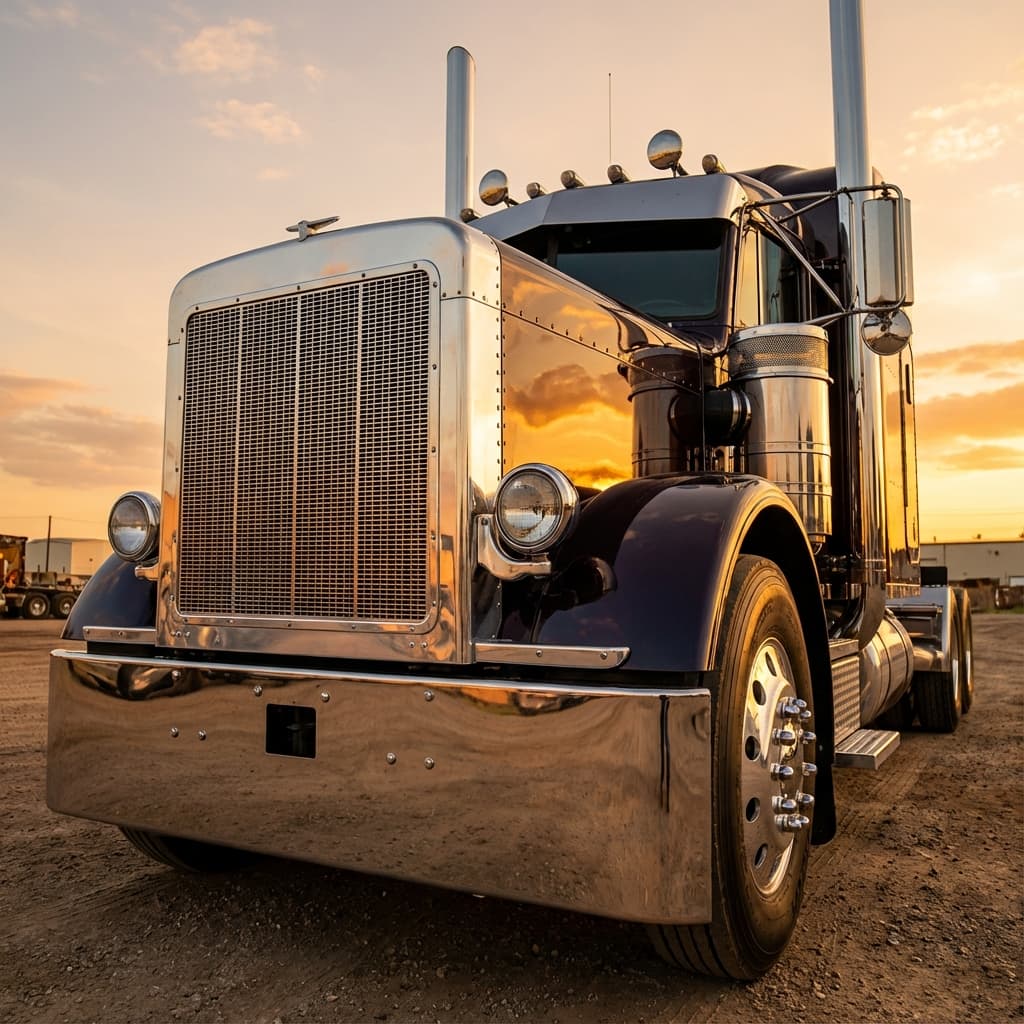
The Structural Foundation of a Secure Trucking Operation
In the high-stakes world of transportation, insurance is often viewed through the lens of compliance—a necessary cost of maintaining an active MC authority. However, for the professional motor carrier, insurance is more than a regulatory hurdle; it is a sophisticated risk management framework designed to protect capital, reputation, and longevity. At United Lanes Insurance, we believe that true operational resilience begins with a mastery of the 'Core Quad'—the four essential coverage types that define a carrier's protection profile.
1. Primary Auto Liability: The Mandatory Shield
Primary Auto Liability is the bedrock of your insurance portfolio. Required by the FMCSA for interstate commerce, this coverage protects you against the financial consequences of bodily injury or property damage caused to others in the event of an at-fault accident. While the federal minimum is often set at $750,000, the industry standard for most brokers and shippers is a Combined Single Limit (CSL) of $1,000,000.
This coverage is 'primary,' meaning it is the first to respond regardless of other policies. Mastering this pillar involves understanding that your safety scores (SMS/CSA) directly impact your premiums. A clean driving record and robust safety protocols are not just operational goals; they are financial strategies to lower the cost of this mandatory shield.
2. Physical Damage: Protecting Your Hard Assets
While liability protects others, Physical Damage insurance protects you. This coverage is essential for any carrier, especially those with financed equipment, as lienholders will mandate it. It typically consists of two components:
- Collision: Covers damage to your truck or trailer resulting from an impact with another vehicle or object.
- Comprehensive: Covers non-collision events such as theft, fire, vandalism, or damage from extreme weather.
To optimize this coverage, carriers must ensure their Stated Amount or Actual Cash Value (ACV) is accurate. Under-insuring your equipment can lead to devastating out-of-pocket losses during a total loss claim, while over-insuring leads to unnecessary premium expenses.
3. Motor Truck Cargo: Safeguarding the Revenue Stream
Your reputation is built on the safe delivery of freight. Motor Truck Cargo insurance (an Inland Marine form) covers the carrier's liability for the cargo while it is in transit or in their care, custody, and control. This is the coverage that allows you to secure high-quality contracts with premier shippers.
Professional carriers must pay close attention to exclusions and sub-limits. Not all cargo policies are created equal. Some may exclude specific commodities like electronics, pharmaceuticals, or copper. At United Lanes, we emphasize the importance of matching your cargo policy to your specific niche to ensure that a single lost load doesn't result in a business-ending claim.
4. Non-Trucking Liability (NTL): Closing the Gap
For owner-operators leased to a motor carrier, a common point of confusion is the distinction between Primary Liability and Non-Trucking Liability (NTL). When you are under dispatch or hauling a load for the carrier, their Primary Liability policy covers you. However, when you are using your truck for personal, non-business purposes—such as driving to the grocery store or a personal appointment—you are often outside the scope of the carrier's coverage.
NTL provides liability coverage during these personal-use windows. It is important to distinguish this from 'Bobtail insurance,' which applies whenever the truck is operating without a trailer, regardless of dispatch status. For most leased operators, NTL is the surgical tool used to close the gap between business and personal risk, ensuring that a personal errand doesn't jeopardize their personal financial future.
Developing a Synergistic Strategy
The 'Core Quad' works best when these coverages are integrated into a cohesive strategy. Gaps between policies can lead to litigation, while overlaps can lead to wasted capital. By understanding the nuances of Primary Liability, Physical Damage, Cargo, and NTL, motor carriers can build a resilient operation that is prepared for the volatility of the road. Protecting your assets isn't just about buying a policy; it's about engineering a fortress for your business.
Questions about
this topic?
Our specialists are ready to provide the personalized guidance you need for your specific situation.