The Comprehensive Coverage Matrix: Optimizing Liability, Cargo, and Asset Protection
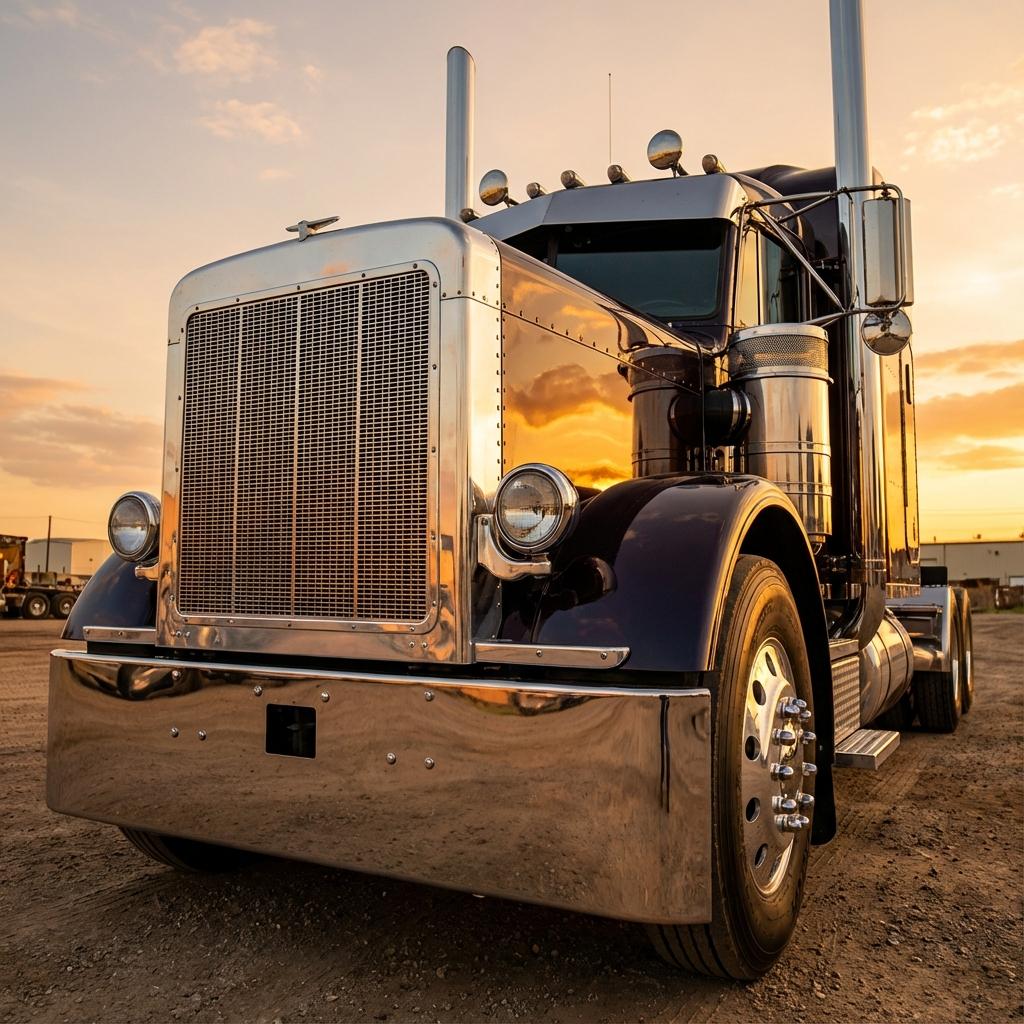
The Anatomy of a Resilient Insurance Portfolio
For motor carriers operating in today’s volatile logistics landscape, insurance is far more than a regulatory hurdle—it is the financial backbone of the entire operation. While many owner-operators focus solely on the 'per-mile' cost of a policy, the most successful fleets view their coverage through a Comprehensive Coverage Matrix. This approach ensures that there are no gaps between when a truck is under dispatch and when it is being serviced or driven for personal use.
Primary Liability: The Foundation of Authority
Primary Auto Liability is the non-negotiable core of your insurance structure. It is mandated by the FMCSA and provides coverage for bodily injury and property damage to third parties in the event of an at-fault accident. While the federal minimum for general freight is $750,000, the industry standard for most brokers and shippers is $1,000,000.
- Risk Mitigation: Higher limits are increasingly recommended as 'nuclear verdicts' become more common in the trucking industry.
- Compliance: This coverage is required to maintain your active motor carrier authority (MC number).
Physical Damage: Safeguarding Your Capital Investment
While liability protects others, Physical Damage coverage protects your assets. This is typically a combination of Collision and Comprehensive coverage. In an era where new tractor prices have reached record highs, ensuring your equipment is valued correctly on your policy is critical.
Stated Value vs. Actual Cash Value (ACV)
It is vital to understand how your provider calculates a total loss. Most policies pay out the Actual Cash Value at the time of loss, but many carriers utilize Stated Value to ensure their premiums accurately reflect the specialized equipment or aftermarket additions they’ve made to their rigs. Always update your values annually to avoid being over-insured or under-protected.
Motor Truck Cargo: The Custodian’s Shield
As a motor carrier, you are legally responsible for the freight in your possession. Motor Truck Cargo insurance covers the liability for cargo that is lost or damaged due to causes such as fire, collision, or even theft. However, not all cargo policies are created equal.
Professional Insights for Cargo Coverage:
- Exclusions: Be aware of specific exclusions like 'target commodities' (electronics, apparel, or alcohol) which may require a rider.
- Refrigeration Breakdown: If you pull reefers, ensure your cargo policy includes a Refrigeration Breakdown endorsement to cover spoilage due to mechanical failure.
- Terminal Coverage: If freight is stored temporarily at your yard, ensure your policy extends coverage beyond the trailer while in transit.
Non-Trucking Liability (NTL) vs. Bobtail Insurance
One of the most frequent points of confusion in the industry is the difference between NTL and Bobtail coverage. Both apply when the truck is not pulling a trailer for the primary motor carrier, but their applications differ significantly.
Non-Trucking Liability is designed specifically for owner-operators under lease to a motor carrier. It provides liability coverage when the truck is being used for non-business purposes (e.g., driving to the grocery store or a personal appointment). Conversely, Bobtail Insurance provides coverage whenever the tractor is operated without a trailer, regardless of whether it is for business or personal use. Choosing the wrong one can lead to a catastrophic denial of claim if an accident occurs during 'deadhead' or personal conveyance.
Strategic Cost Management
To optimize your premiums without sacrificing protection, consider the following strategies:
- Deductible Balancing: Increasing your deductible on Physical Damage can significantly lower monthly premiums, provided you have the cash reserves to cover the higher out-of-pocket cost during a claim.
- Safety Technologies: Implementing ELDs with integrated dash cams and telematics can provide the data necessary to negotiate better rates during your annual renewal.
- Scheduled Reviews: Your business changes throughout the year. Quarterly reviews of your equipment list and cargo limits ensure you aren't paying for coverage you don't need or exposing yourself to unnecessary risk.
At United Lanes Insurance, we specialize in tailoring these layers of protection to fit the specific lane and load profile of your business. A well-structured policy does more than check a box—it provides the peace of mind necessary to focus on the road ahead.
Questions about
this topic?
Our specialists are ready to provide the personalized guidance you need for your specific situation.