The Comprehensive Asset Protection Roadmap: Navigating Specialized Coverages for the Modern Motor Carrier
The Foundation of Security: Beyond Minimum Requirements
For many motor carriers, insurance is often viewed through the narrow lens of regulatory compliance. While meeting FMCSA mandates is essential, viewing insurance solely as a 'cost of doing business' ignores its role as a critical financial tool. In a volatile freight market, a single uncovered incident can jeopardize years of growth. This guide breaks down the essential coverage types that form a truly resilient insurance portfolio.
1. Primary Liability: The Legal Cornerstone
Primary Liability is the foundation of any trucking insurance policy and is legally required for carriers operating under their own authority. This coverage protects you against the financial consequences of accidents where you or your drivers are at fault, specifically covering bodily injury and property damage caused to third parties. Given that nuclear verdicts in the trucking industry are on the rise, maintaining high limits is no longer just a recommendation—it is a survival strategy.
2. Physical Damage: Safeguarding Your Capital Investment
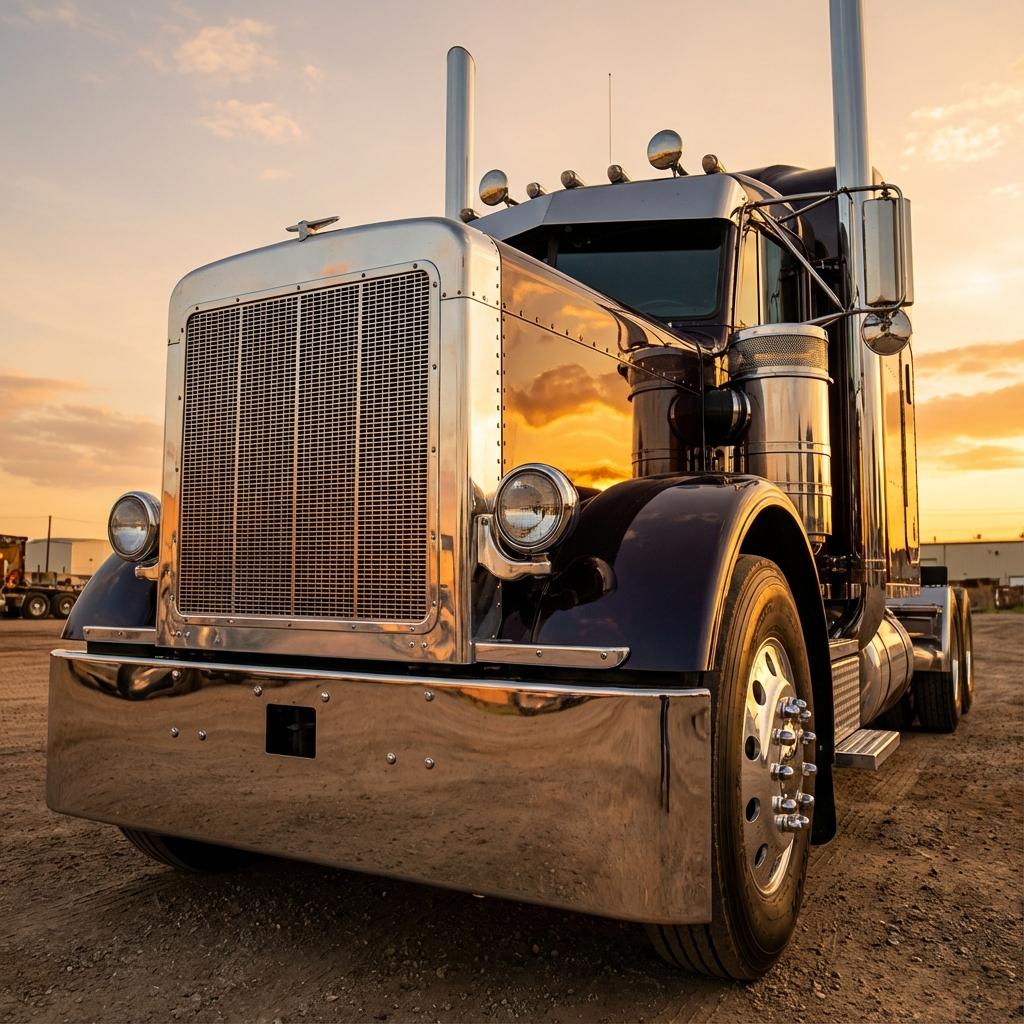
Your equipment represents your most significant capital investment. Physical Damage coverage provides protection for your truck and trailer in the event of an accident, regardless of who is at fault. This coverage is typically divided into two components:
- Collision: Coverage for damage resulting from an impact with another vehicle or object.
- Comprehensive: Protection against non-collision events such as theft, fire, vandalism, or extreme weather conditions.
To optimize costs, carriers should regularly update the Stated Amount of their equipment. Over-insuring leads to wasted premiums, while under-insuring leaves you with a financial gap in the event of a total loss.
3. Motor Truck Cargo: Protecting the Revenue Stream
Your reputation is only as good as your last delivery. Motor Truck Cargo insurance covers the freight you are transporting against risks like fire, collision, or even theft. However, not all cargo policies are created equal. It is vital to check for exclusionary clauses. Some policies may exclude specific high-value items or damage resulting from 'unattended vehicles.' Ensure your policy matches the specific commodities you haul to avoid catastrophic claim denials.
4. Non-Trucking Liability (NTL) vs. Bobtail Coverage
One of the most frequent points of confusion for owner-operators involves the distinction between NTL and Bobtail insurance. These are often used interchangeably but serve different purposes:
- Non-Trucking Liability: This applies strictly when the truck is being used for personal use (e.g., driving to the grocery store) and is not under dispatch.
- Bobtail Insurance: This provides liability coverage when the truck is being operated without a trailer attached, regardless of whether it is under dispatch or for personal use.
Choosing the wrong one can leave a massive gap in coverage during the most vulnerable moments of your transit cycle.
Strategic Insight: The Value of Bundling and Review
To maximize the value of your premiums, consider a comprehensive review of how these coverages interact. A well-structured policy from a specialist provider like United Lanes Insurance ensures there are no overlaps or gaps that could be exploited during a claim. By understanding these nuances, motor carriers can move beyond basic compliance and achieve true asset protection.
Questions about
this topic?
Our specialists are ready to provide the personalized guidance you need for your specific situation.