The Capital Velocity Framework: Optimizing Cash Flow and Asset Utilization for Sustainable Fleet Scaling
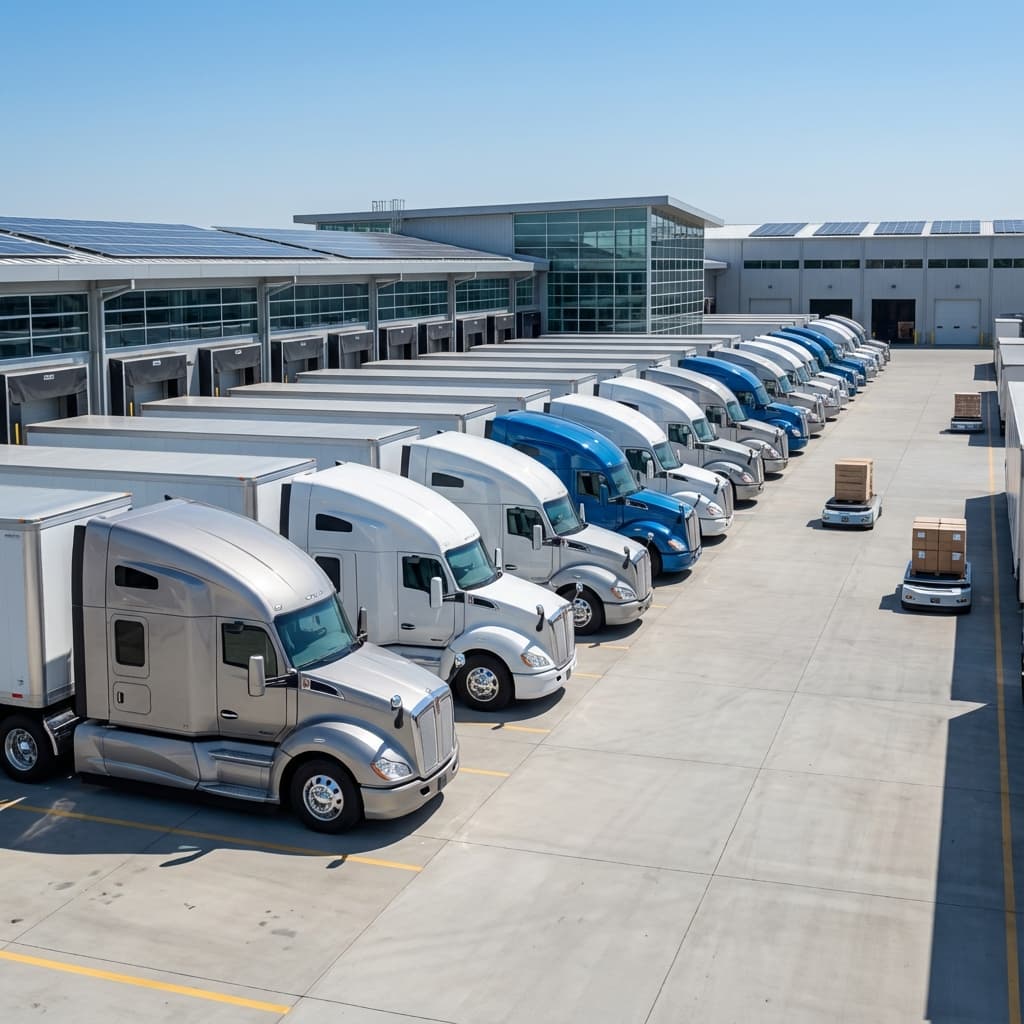
The Financial Engine of Motor Carrier Growth
In the trucking industry, growth is often viewed through the lens of adding power units and drivers. However, the most successful motor carriers understand that true scaling is a function of capital velocity—the speed and efficiency with which a business can deploy its capital, recover it through operations, and reinvest it. Without a structured framework for managing cash flow and asset utilization, even a carrier with a full load board can find itself in a liquidity crisis.
1. Synchronizing the Cash Cycle
The gap between paying for fuel and driver wages and receiving payment from a shipper is the primary hurdle for expanding fleets. To master this cycle, carriers must look beyond simple factoring and evaluate their Days Sales Outstanding (DSO). Reducing DSO by even three days can unlock thousands of dollars in working capital for a mid-sized fleet.
- Electronic Documentation: Implementing real-time Proof of Delivery (POD) uploads via mobile apps to trigger invoicing the moment a load is dropped.
- Strategic Factoring vs. Asset-Based Lending: Moving from standard recourse factoring to more sophisticated lines of credit as the fleet matures can significantly lower interest expenses.
- Dynamic Discounting: Offering shippers small discounts for early payment (e.g., 1/10 net 30) can often be cheaper than the fees associated with third-party financing.
- Fuel Card Integration: Utilizing cards that offer immediate data sync with accounting software to prevent leakage and unauthorized spend.
2. Maximizing Asset Utilization and the Trailer-to-Tractor Ratio
An idle truck is a liability, not an asset. High-efficiency carriers focus on the revenue per power unit and the operating ratio. A key strategy for scaling without over-leveraging is optimizing the trailer-to-tractor ratio. By maintaining a ratio of 2:1 or 3:1, carriers can implement "drop-and-hook" programs that keep drivers moving and minimize detention time.
The Role of Telematics in Asset Velocity
Modern telematics should be used for more than just ELD compliance. Fleet managers should use dwell-time reports to identify bottlenecks at specific shipper facilities. If an asset is consistently sitting for six hours at a specific warehouse, that is capital being wasted. Data-driven carriers use this information to renegotiate rates or accessorial charges, ensuring every hour the asset is deployed is profitable.
3. The Maintenance-Equity Correlation
Operational efficiency is deeply tied to the lifecycle management of equipment. A neglected maintenance schedule does more than increase the risk of roadside inspections; it aggressively devalues the asset. To maintain a strong balance sheet for future lending, carriers must preserve the residual value of their fleet.
Implementing a Rigorous Preventive Maintenance (PM) Schedule serves two purposes: it keeps the CSA (Compliance, Safety, Accountability) scores low—which directly impacts insurance premiums—and it ensures that when it comes time to trade in or sell a unit, the equity recovered provides a substantial down payment for the next generation of equipment. Consistent maintenance is essentially a form of deferred capital preservation.
4. Strategic Vendor Ecosystems
Scaling a business requires moving from transactional relationships to strategic partnerships. As a fleet grows, its purchasing power increases. Motor carriers should leverage their volume to negotiate national accounts for tires, fuel, and parts. By centralizing procurement, a carrier can reduce variable operating costs, which directly improves the net profit margin—the ultimate metric for sustainable growth.
Conclusion: Growth as a Calculated Maneuver
Scaling a motor carrier is not merely about finding more freight; it is about building a financial and operational infrastructure that can handle the increased volume. By focusing on capital velocity, asset utilization, and lifecycle management, fleet executives can transition from surviving day-to-day operations to engineered, sustainable expansion. At United Lanes Insurance, we recognize that a well-managed operation is a lower-risk operation, and we are committed to supporting carriers who prioritize these professional standards.
Questions about
this topic?
Our specialists are ready to provide the personalized guidance you need for your specific situation.