The Capital Lifecycle: Strategic Fleet Replacement for Long-Term Profitability
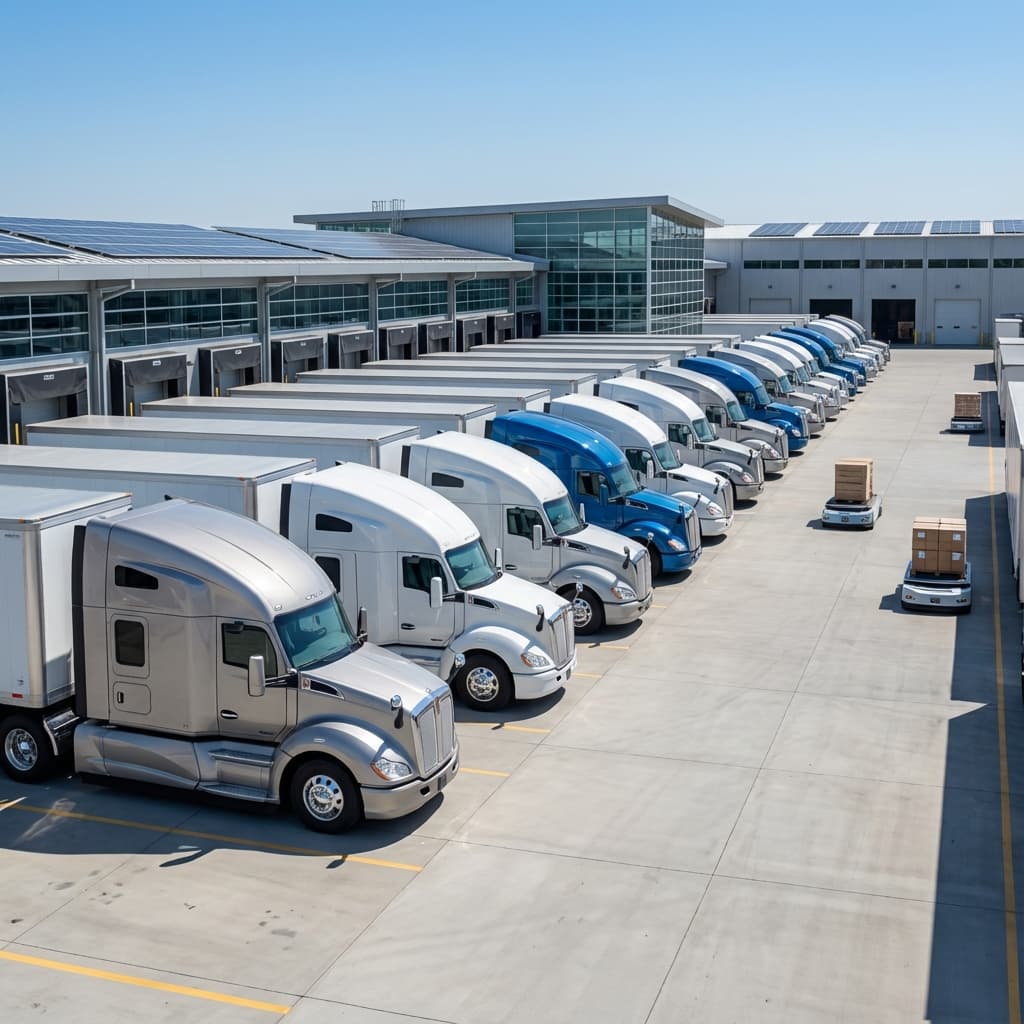
The High Cost of Maintenance vs. The Price of Innovation
For motor carriers, the truck is more than a vehicle; it is a primary revenue-generating asset. However, many fleet owners fall into the trap of holding onto equipment for too long, believing they are saving money by avoiding new debt. In reality, the Total Cost of Ownership (TCO) often spikes dramatically after a vehicle passes the 500,000-mile mark. Strategic fleet replacement is not just about having shiny new trucks; it is a clinical business operation designed to protect margins and ensure scalability.
Defining the 'Sweet Spot' for Replacement
Finding the optimal replacement cycle requires a data-driven approach. Most successful mid-to-large fleets aim for a 4-to-5-year cycle for Class 8 tractors. The rationale is rooted in three primary factors:
- Warranty Coverage: Operating within the manufacturer's powertrain warranty period eliminates the risk of catastrophic, unbudgeted repair costs.
- Fuel Efficiency: Newer models often feature aerodynamic improvements and engine refinements that can offer a 2% to 5% improvement in MPG—a massive swing for the bottom line.
- Resale Value: Trading in equipment before it requires a major overhaul (like an engine mid-life or after-treatment system replacement) ensures a higher residual value, which can be rolled into the next down payment.
The Insurance and Safety Correlation
From an insurance perspective, an aging fleet is often viewed as a higher risk. Older trucks lack the Advanced Driver Assistance Systems (ADAS) that are standard in newer models, such as collision mitigation, lane departure warnings, and adaptive cruise control. By maintaining a younger fleet, motor carriers can often negotiate better rates with underwriters who recognize the reduced likelihood of high-severity accidents. Furthermore, newer equipment suffers fewer roadside breakdowns, which directly improves your CSA (Compliance, Safety, Accountability) scores by reducing vehicle maintenance violations.
Lease vs. Buy: Navigating the Financial Landscape
How you acquire your fleet is just as important as when you replace it. Motor carriers must choose between the balance sheet benefits of ownership and the cash-flow predictability of leasing:
- Full-Service Leasing: Ideal for carriers that want to outsource maintenance and have a fixed monthly cost. This allows the business to focus entirely on freight and driver management.
- TRAC Leasing: Offers the tax benefits of leasing with the option to purchase the vehicle at the end of the term for a pre-determined residual value.
- Traditional Financing: Best for carriers with strong cash reserves who want to build equity in their assets and have internal maintenance capabilities.
Operational Efficiency and Driver Retention
In a competitive labor market, equipment quality is one of the most effective driver retention tools available. High-performing drivers prefer operating late-model equipment that is comfortable, reliable, and equipped with modern amenities. High driver turnover is an operational drain, costing carriers thousands in recruitment and onboarding. Investing in a strategic replacement cycle reduces this friction and keeps your most valuable human capital behind the wheel.
Strategic Implementation for Growth
To implement a capital lifecycle strategy, start by auditing your current fleet’s repair-to-revenue ratio. If your maintenance costs per mile are trending upward while your uptime is decreasing, it is time to pivot. A structured replacement plan allows you to scale your business predictably, ensuring that as you add new contracts, your fleet has the reliability to fulfill them profitably.
Questions about
this topic?
Our specialists are ready to provide the personalized guidance you need for your specific situation.