The Capital Intelligence Framework: Strategic Equipment Procurement and Life-Cycle Management for Expanding Fleets
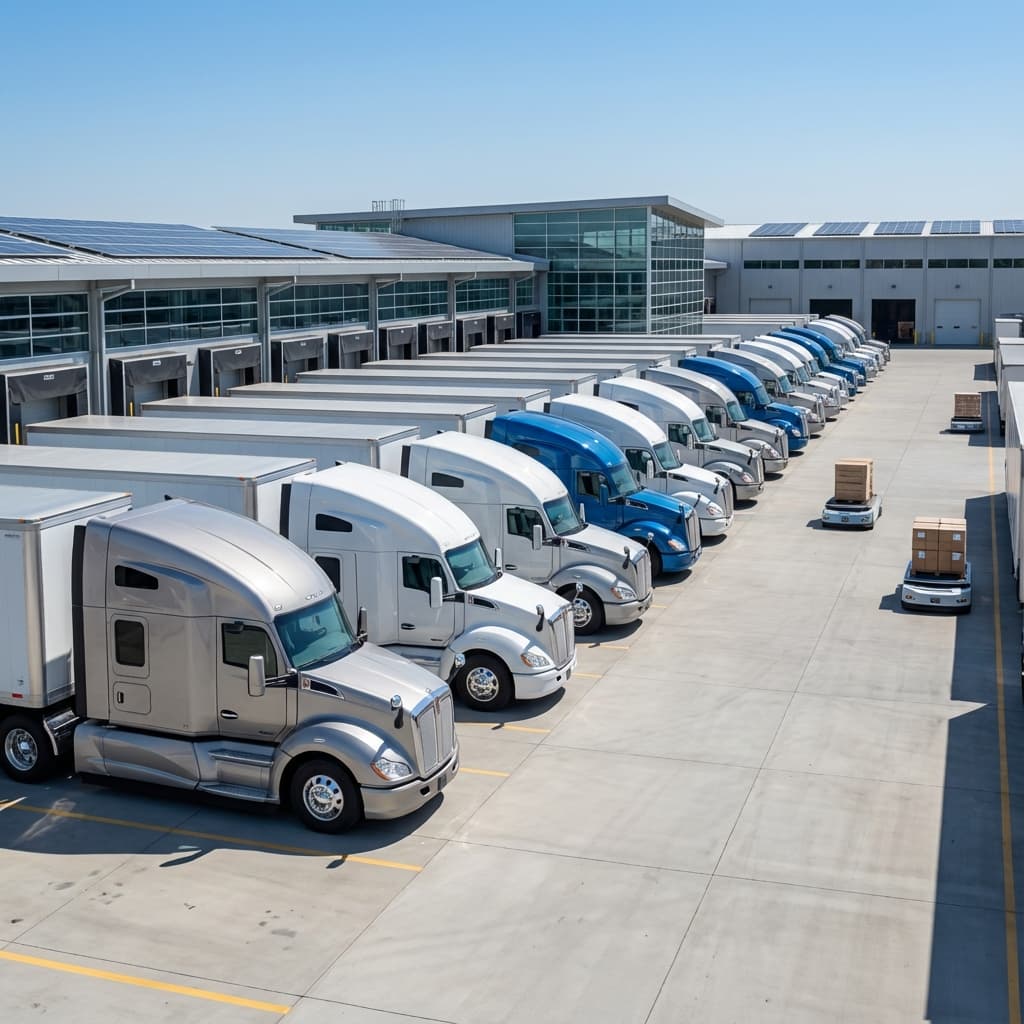
Mastering the Asset Lifecycle in Modern Trucking
For motor carriers looking to scale, the transition from a handful of units to a mid-sized fleet is often the most dangerous phase of business growth. Rapid expansion without a Capital Intelligence Framework—a structured approach to how equipment is acquired, maintained, and retired—can lead to cash flow bottlenecks and escalating insurance premiums. To build a sustainable operation, carriers must view their equipment not just as tools of the trade, but as financial assets that require precise lifecycle management.
The Lease-vs-Buy Decision Matrix
One of the most critical operational decisions a carrier faces is whether to purchase equipment or utilize various leasing structures. Each path carries distinct implications for your balance sheet and risk profile:
- Full-Service Leasing: This option provides predictable monthly costs and often includes maintenance. While the per-mile cost may be higher, it protects the carrier from unexpected repair spikes and allows for easier budgeting.
- Traditional Financing: Purchasing equipment builds equity and allows for depreciation tax benefits. However, it requires a larger upfront capital outlay and places the full burden of maintenance and disposal risk on the carrier.
- TRAC Leases: Terminal Rental Adjustment Clause (TRAC) leases offer a middle ground with lower payments and flexible end-of-term options, which can be advantageous for carriers with high-utilization cycles.
Optimizing Replacement Cycles for Maximum Efficiency
Operating an aging fleet is a hidden drain on profitability. As trucks move past the 400,000-mile mark, the frequency of unplanned downtime and the cost of non-routine maintenance begin to accelerate. A strategic replacement cycle—typically every 4 to 6 years for Class 8 tractors—ensures that your fleet remains under warranty, utilizes the latest fuel-efficient technology, and maintains a higher resale value.
Furthermore, newer equipment is significantly more attractive to high-quality drivers. In a market where driver turnover is a primary operational cost, providing reliable, modern equipment is a powerful retention tool that directly impacts your bottom line.
The Insurance Impact: Safety Tech as a Financial Lever
From an underwriting perspective, the age and specifications of your fleet are primary rating factors. Modern equipment equipped with Advanced Driver Assistance Systems (ADAS)—such as collision mitigation, lane departure warnings, and adaptive cruise control—does more than just prevent accidents; it positions your business as a preferred risk in the insurance market.
By investing in equipment with integrated telematics, carriers can provide insurance partners with verifiable data on safety performance. This transparency can lead to more favorable terms, as it demonstrates a proactive approach to risk management rather than a reactive one.
Data-Driven Maintenance and Uptime Management
Operational efficiency is won or lost in the shop. Moving from a reactive maintenance model to a predictive maintenance model is essential for fleet growth. By leveraging engine diagnostic data transmitted via telematics, fleet managers can address minor issues before they become catastrophic roadside failures.
- Reduce CSA Violations: Regular, data-informed inspections minimize the risk of mechanical violations during roadside inspections.
- Improve HOS Utilization: Reducing unplanned downtime ensures that drivers can maximize their available hours on revenue-generating miles.
- Control Repair Costs: Scheduled repairs in your own shop or with preferred vendors are significantly cheaper than emergency repairs in unfamiliar territories.
Conclusion: Building a Resilient Operation
The path to fleet growth is paved with disciplined capital management. By aligning your procurement strategy with your long-term financial goals and leveraging modern safety technology, you create a more resilient, profitable, and insurable motor carrier. At United Lanes Insurance, we understand that your fleet is your greatest investment; managing it with precision is the key to lasting success in the competitive trucking landscape.
Questions about
this topic?
Our specialists are ready to provide the personalized guidance you need for your specific situation.