The Capital Efficiency Playbook: Mastering Fleet Utilization and Equipment Lifecycles
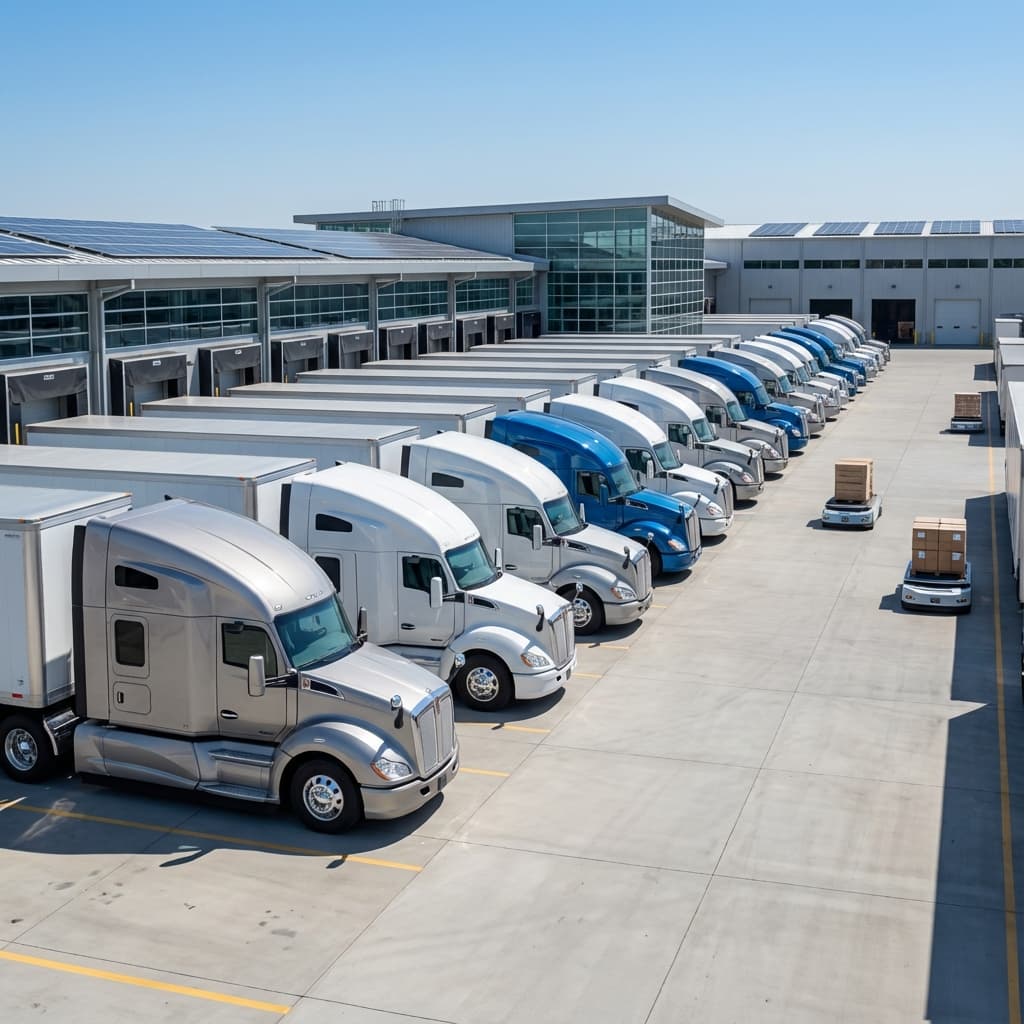
Scaling Beyond the Horizon: The Math of Motor Carrier Growth
For many motor carriers, growth is often viewed through a singular lens: increasing the truck count. However, in the modern transportation landscape, sustainable growth is driven by capital efficiency rather than raw volume. Rapid expansion without a strategic framework for fleet utilization and equipment lifecycles can lead to increased maintenance costs, higher insurance premiums, and eventually, a squeeze on liquid capital.
At United Lanes Insurance, we observe a direct correlation between a carrier's operational efficiency and their long-term financial resilience. This playbook outlines the strategic pillars necessary to transform your fleet from a collection of assets into a high-performance business engine.
The Lifecycle Calculus: When to Hold and When to Trade
One of the most critical decisions a fleet executive faces is determining the optimal replacement cycle for power units. Operating older equipment may seem cost-effective on a balance sheet due to the absence of monthly payments, but the Total Cost of Ownership (TCO) often tells a different story. Factors to consider include:
- Maintenance Escalation: Beyond the 500,000-mile mark, repair costs typically spike, and more importantly, unplanned downtime increases, leading to lost revenue and service failures.
- Fuel Efficiency: Newer models often provide significant gains in MPG. Across a fleet of 20 trucks, even a 0.5 MPG improvement can result in six-figure annual savings.
- Safety Tech and Insurance: Modern trucks equipped with Advanced Driver Assistance Systems (ADAS) are viewed more favorably by underwriters, often qualifying for preferred pricing tiers that older fleets cannot access.
Optimizing Fleet Utilization through Data-Driven Dispatch
Operational efficiency is measured by the ratio of loaded miles to empty miles, but it is also defined by how effectively your equipment is utilized within a 24-hour window. Leading carriers are moving away from traditional dispatching toward Yield Management models.
By integrating Telematics with your Transportation Management System (TMS), you can identify 'dead zones' in your network where equipment sits idle. Maximizing utilization means ensuring that every asset is generating revenue while minimizing the wear and tear associated with non-revenue-generating movements. This data-driven approach not only boosts the bottom line but also provides the documentation necessary to prove operational excellence to lenders and insurers.
The Strategic Link Between Maintenance and Risk Management
A rigorous, documented preventive maintenance (PM) program is a cornerstone of business operations. From an insurance perspective, a well-maintained fleet is a lower-risk fleet. Mechanical failures—such as tire blowouts or brake issues—are frequently cited in high-impact litigation.
To achieve operational synergy, your maintenance schedule should be proactive rather than reactive. Using predictive analytics to replace components before they fail reduces the likelihood of roadside inspections (Level 1, 2, or 3) resulting in out-of-service (OOS) violations. High OOS rates negatively impact your CSA scores, which can lead to increased insurance premiums and lost opportunities with premium shippers.
Capital Allocation and Financial Resilience
Growth requires capital, but maintaining a healthy debt-to-equity ratio is vital for navigating the cyclical nature of the freight market. Successful carriers often employ a 'laddered' equipment strategy, where a portion of the fleet is replaced annually. This prevents a scenario where the entire fleet reaches its EOL (End of Life) simultaneously, creating a massive, unmanageable capital requirement.
Furthermore, maintaining a liquidity reserve ensures that you can capitalize on market downturns—buying equipment or acquiring smaller books of business when others are forced to retract. This level of financial sophistication signals to your insurance partners that your business is built for the long haul, often resulting in more stable coverage terms during volatile market cycles.
Conclusion: Building a Competitive Moat
In trucking, your operational efficiency is your competitive moat. By mastering the lifecycle of your equipment, leveraging technology to maximize utilization, and maintaining a disciplined approach to capital, you protect your margins and your reputation. At United Lanes Insurance, we are committed to helping motor carriers align their operational strategies with their risk management goals to ensure long-term, profitable growth.
Questions about
this topic?
Our specialists are ready to provide the personalized guidance you need for your specific situation.